
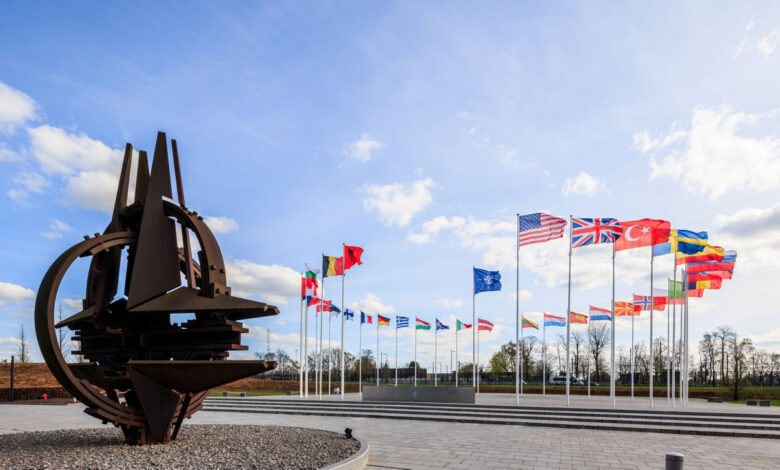
Allies reiterated that Russia bears full responsibility for the airspace violations. The council described the incidents as dangerous and unacceptable, stating that they demonstrate Russia’s increasing tolerance for risk. While the specific details of the breaches were not elaborated in the statement, the collective condemnation underscores the severity with which the alliance views incursions into sovereign airspace.
The meeting highlighted the unity and resolve of NATO in defending Allied territory. Allies commended the swift and decisive actions taken by both NATO command structures and national authorities in responding to the events. This response was framed as part of a broader strategy where NATO continues to strengthen its integrated air and missile defences across the Alliance.
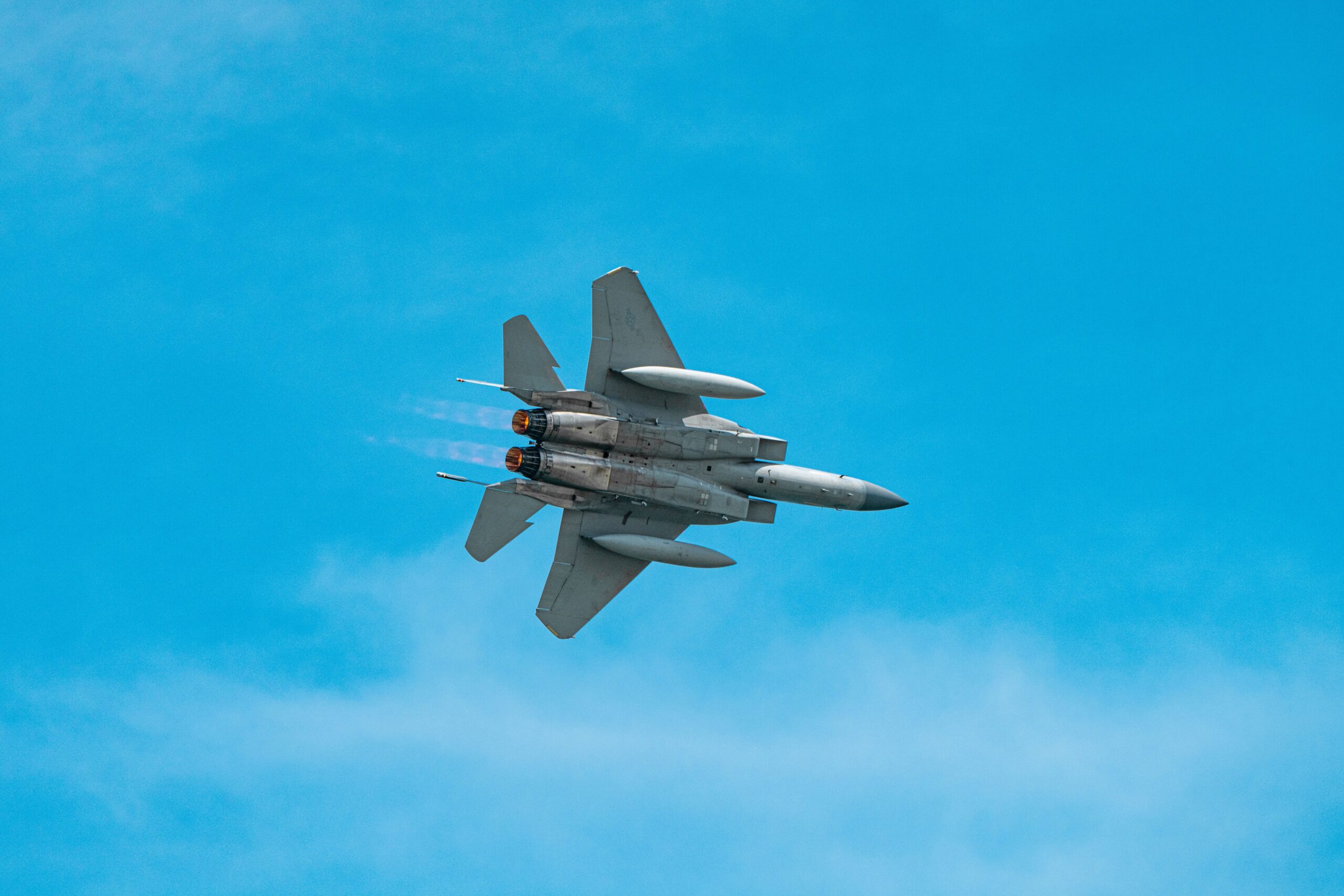
Specific focus was placed on bolstering defences on the eastern flank, spanning from the Baltic to the Black Sea. Allies underlined the measures already implemented in these regions to enhance security. The council stated that NATO stands ready to deter and defend against any aggression, reinforcing the commitment to collective security in the face of ongoing tensions.
Despite the focus on immediate airspace security, the alliance reaffirmed its enduring support for Ukraine. Allies emphasized their commitment to Ukraine’s freedom, sovereignty, and territorial integrity, as well as the pursuit of peace. The statement underscored that acts of irresponsibility by Russia will not deter the alliance from its support for Ukraine, noting that Ukraine’s security is intrinsically linked to the security of NATO members.
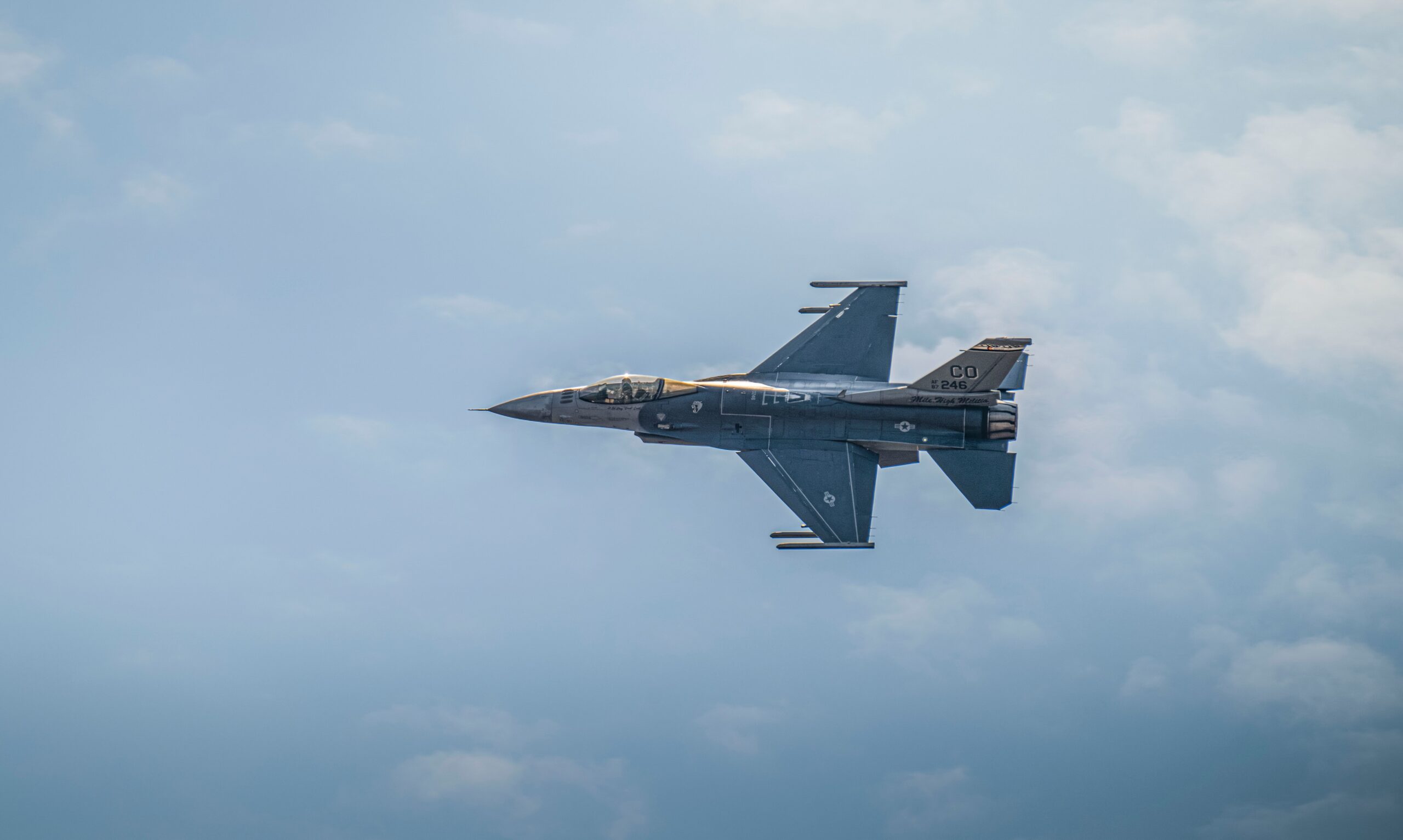
The next step involves the continued implementation of defensive measures and diplomatic engagement, with the alliance maintaining its posture of deterrence while supporting Ukraine’s ongoing efforts to secure its borders.



2 Comments