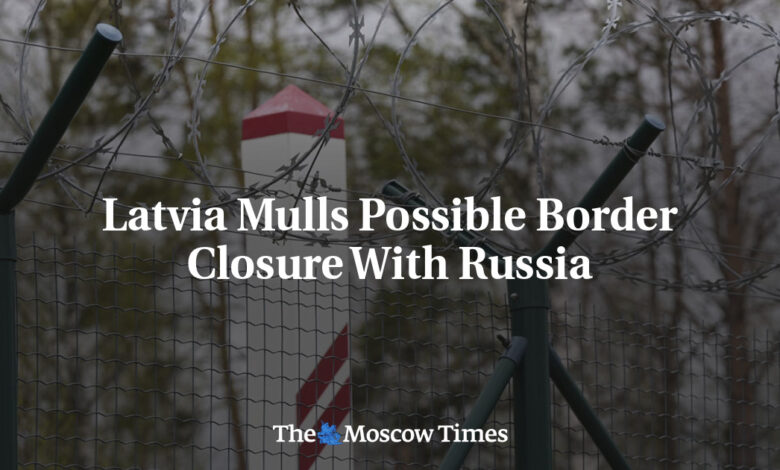
The central development is Latvia’s move to formalize a potential border closure, a step that would align it with Estonia’s recent decision. Estonia is set to close its checkpoints next Tuesday in response to an alleged Russian sabotage plot targeting a local drone manufacturer. While Russia has rejected these allegations, the move has already triggered diplomatic friction; on Monday, the Russian Foreign Ministry summoned Estonia’s top diplomat in Moscow to protest the planned closure, which is expected to last at least six months. For Latvia, the decision is not merely reactive but rooted in its own specific security concerns. The government views Russia as its principal security threat, a stance that has led to significantly increased defense spending in recent years.
Interior Minister Jānis Dombrava stated that the new government, which was approved by parliament last week following the October parliamentary elections, must first reach a “common understanding” on the border issue before proceeding with any closures. “The new government was confirmed just recently. I hope we’ll manage to do this in the coming days,” Dombrava said, indicating a desire for swift alignment within the cabinet. The primary justification for such measures, as outlined by the government, rests on national security risks and the impacts on transit and traffic across the Baltic states.
The security environment in the region has been marked by specific incidents that fuel these concerns. Last month, Latvian authorities accused Russia and Belarus of attempting to forcibly push nearly two dozen migrants through the border. According to the Latvian account, the intruders damaged electrical equipment and stole surveillance cameras before retreating to Belarusian territory. Belarus has denied these accusations, highlighting the persistent tension and lack of trust between the Baltic states and their eastern neighbors. These incidents, alongside broader concerns about the inability of European governments to properly vet thousands of Russian nationals traveling to the bloc, have shaped the political discourse. Prime Minister Kūlbergs has recently called for the EU to close its borders to all Russian citizens, arguing that current vetting mechanisms are insufficient.
The logistical consequences of a potential Latvian closure are already being assessed. State Border Guard chief Guntis Pujāts warned that Estonia’s upcoming border closure would trigger long lines at Latvian checkpoints. This would require border officers to work overtime to handle the redirected traffic. However, Pujāts also noted that closing Latvia’s own checkpoints with Russia would allow authorities to redeploy personnel for patrols, suggesting a strategic shift from passive monitoring to active security operations. The interplay between these logistical pressures and security imperatives is central to the government’s deliberations.
This development is part of a broader geopolitical shift in the Baltics. Since joining NATO and the EU in 2004, Latvia has maintained a security-focused relationship with the West, but the current climate has intensified this orientation. The decision to potentially close the border is not an isolated incident but part of a pattern of increasing restrictions and vigilance. Estonia’s six-month closure sets a precedent, and Latvia’s consideration of similar measures suggests a regional consensus on the need for tighter controls. The economic impact on cross-border transit is a factor the government is weighing, but the national security risks appear to take precedence in the current political calculation.
The diplomatic repercussions are already evident. Russia’s protest against Estonia’s closure underscores the high stakes involved in these border decisions. For Latvia, moving forward with a closure would further solidify its position against Moscow, potentially straining relations further in an already tense environment. The distinction between verified facts and official claims remains important; while Latvia cites specific incidents of border violations and sabotage, Russia and Belarus dispute these narratives. This divergence in perception complicates diplomatic channels and reinforces the security-driven approach of the Baltic governments.
The immediate consequence of Latvia’s potential closure would be a significant change in the movement of people and goods across the northern Baltic border. With Estonia’s checkpoints closed, any remaining open crossings would face intense scrutiny and traffic. The Latvian government’s instruction to prepare a “clear position” indicates that the decision is near, contingent on internal cabinet consensus. The coming weeks will likely see a formalization of these measures, with the government balancing the need for security against the practical challenges of border management.
As the Latvian cabinet works to reach a common understanding, the focus remains on the potential to redeploy border guard resources. The shift from managing open transit lines to securing a closed border represents a tangible change in the operational posture of the state. This move, while framed in terms of national security, also signals a deeper alignment with Estonia’s approach and a broader regional strategy to limit exposure to perceived Russian threats. The unresolved tension lies in how these closures will be implemented and managed over the long term, particularly as they affect the daily lives of those who rely on cross-border travel and the broader European integration of the Baltic states.
The decision to close the border, if finalized, will mark a significant moment in Latvia’s post-independence history, reflecting a state that prioritizes security over the open borders that were once symbols of its integration into Europe. The next steps will involve the formal announcement of the position and the logistical preparations for enforcement, setting the stage for a new phase in Latvia-Russia border relations.