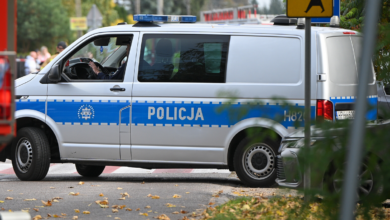
The raids were conducted simultaneously in five provinces: Istanbul, Ankara, İzmir, Aydın, and Mersin. In Ankara, police searched the premises of KAOS GL, the country’s foremost LGBTI rights organization, and detained 14 members of its board and supervisory committee. Seven of these individuals were formally arrested. In Istanbul, operations targeted nightclubs and massage parlors in the Beyoğlu and Şişli districts before shifting to the offices of several associations, including SPoD, HEVİ, Lambdaistanbul, LİSTAG, Pozitif Yaşam, and Pozitif-iz. Police reportedly forced entry into the premises of Lambdaistanbul and LİSTAG, while locksmiths were used to access the offices of Pozitif Yaşam and Pozitif-iz.
Charges against the detained individuals primarily cite Article 226 of the Turkish Penal Code, which penalizes “obscenity,” and Article 32/p of the Law on Associations. The latter prohibits establishing associations for the purpose of carrying out acts deemed explicitly prohibited by the Constitution or laws, or that constitute a crime. Violations carry a potential prison sentence of one to three years and a judicial fine. Prosecutors have alleged that the associations used their institutional structures to encourage and popularize LGBTI identities, thereby weakening the “Turkish family structure” and acting contrary to the bylaws of the organizations.
The accusations of obscenity reportedly relate to drawings allegedly present on the websites of the targeted organizations, which prosecutors claim were accessible to children. However, the website of KAOS GL has been inaccessible within Türkiye since June 2025. Additionally, journalist Tuğba Tekerek was detained on the allegation that she was “responsible for the organization’s Instagram account,” a claim she does not accept. Other detainees include office-holders from the Muamma LGBTQI+ Association and the Mersin 7 Renk LGBTQI+ Solidarity Association in Mersin, where 34 people were detained and 26 subsequently arrested.
In response to the operation, the Ministry of Justice issued a circular to chief public prosecutors in all 81 provinces. The directive instructs prosecutors to promptly assess complaints regarding content deemed contrary to “public morality” and to take immediate investigative steps, including the preservation of digital evidence and the blocking of online content. Hundreds of social media accounts belonging to LGBTI organizations, activists, and journalists have been blocked or restricted in the wake of the raids. Electronic equipment, including phones, computers, and USB drives, was seized from the homes of targeted individuals and association premises.
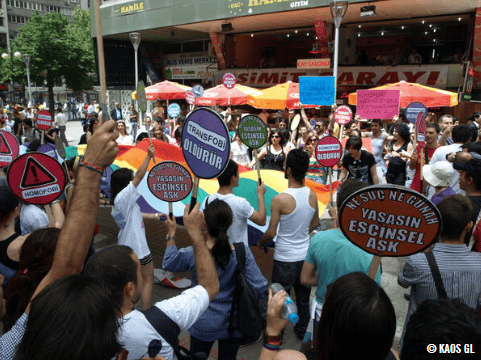
Human rights organizations have reported that detainees were subjected to intrusive strip searches, insults, and humiliation. Some have alleged that human rights defenders were held in isolation, in violation of their rights. In İzmir, police reportedly used pepper spray against peaceful protesters, and over 100 people were detained during a gathering outside the Istanbul Courthouse in Çağlayan. The crackdown occurs against a backdrop of ongoing legal challenges to LGBTI rights in Türkiye, where Pride marches have been banned since 2015 and previous legislative proposals to criminalize LGBTI identities were withdrawn following public resistance.
The next scheduled court appearances for the detained journalists and activists will determine whether pretrial detention is extended or if they are released under judicial control. The legal proceedings are expected to continue as prosecutors pursue charges related to the operation, which authorities state is intended to protect families and children from harmful content.