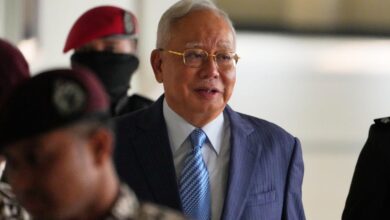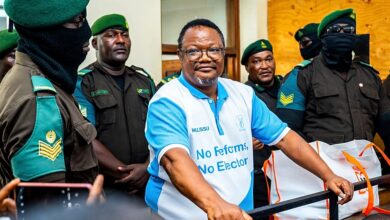
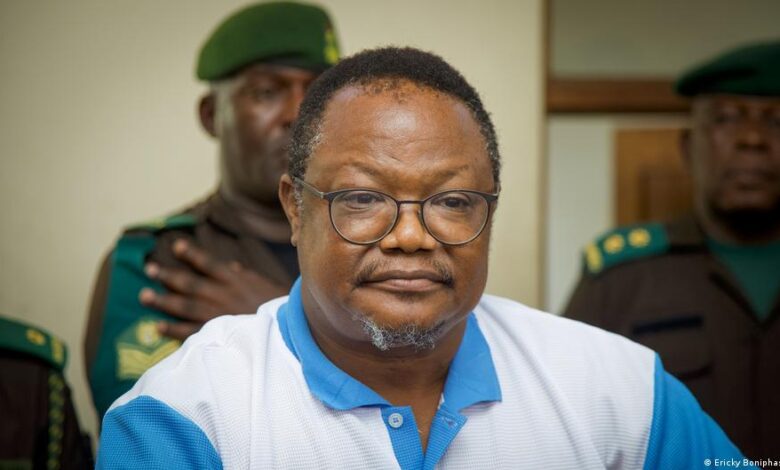
“We are satisfied that through his statements, the accused intended to disrupt elections and instigate violence,” the presiding judge stated in the courtroom, which was packed with Lissu’s supporters. “We sentence you to four years in prison, but the doors are open for appeal.” The conviction rests on the legal finding that Lissu’s rhetoric was intended to mobilize rebellion and block the electoral process, rather than constituting the act of treason originally alleged.
Lissu, the 58-year-old head of the main opposition party, Chadema, disputed the conviction, arguing that he was never formally charged with incitement. “I was not charged with incitement but you judges are convicting me with it just to impress the person who gives you the titles,” Lissu told the court, appearing to refer to President Samia Suluhu Hassan. He characterized the proceedings as political persecution, stating, “Excuses were created to imprison me.”
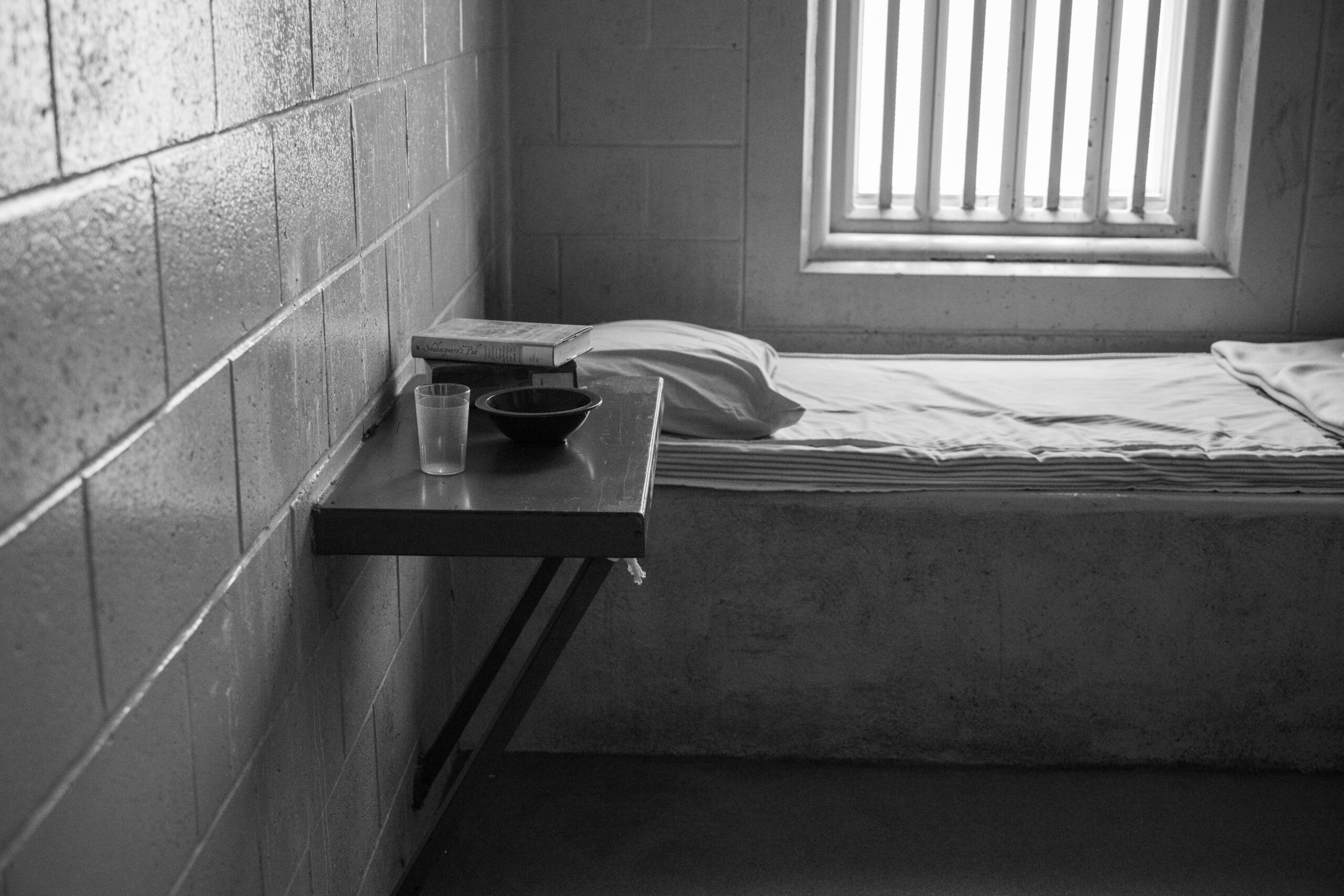
The legal basis for the prosecution stemmed from Lissu’s arrest in April 2025. Prosecutors alleged that in a speech to supporters, Lissu called for the opposition to “block the election” and “mobilize rebellion.” Lissu pleaded not guilty, maintaining that his speech violated no law and that the prosecution was driven by political motives rather than legal merit. He has already spent 19 months in detention prior to the sentencing.
The trial occurred against the backdrop of severe political instability. Lissu’s arrest, alongside reported abductions of other government critics and the exclusion of Chadema from the October 2025 presidential election, triggered widespread protests across Tanzania. During the election period, in which President Hassan was declared the winner with 98 percent of the vote, security forces clashed with demonstrators. A government-appointed commission reported in April that at least 518 people were killed, attributing the violence to protesters. In contrast, opposition figures and rights groups have alleged the death toll is in the thousands, accusing security forces of using excessive force. The government has denied these allegations.
International observers have strongly criticized the case. British and European Union lawmakers described the trial as politically motivated in a letter to President Hassan, warning that the use of capital punishment against a political opponent risks turning the justice system into an instrument of political repression. They called for Lissu’s immediate release. This marks the third high-profile treason trial in mainland Tanzania’s history, following cases in the 1970s and 1980s involving plots against founding president Julius Nyerere.
Security was tightened in Dar es Salaam, Tanzania’s commercial capital, and around the courthouse in anticipation of the verdict. Lissu has a history of conflicts with the state, having survived an assassination attempt in 2017 in which he was shot 16 times, an attack he believes was politically motivated and which required nearly 20 surgeries. The next procedural step is the filing of an appeal against the four-year sentence.