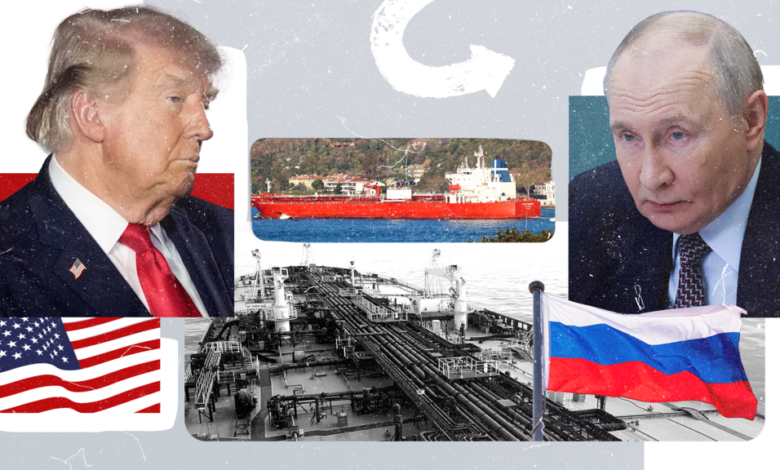
This diversion represents the end of an agreement that had been announced with significant fanfare between President Donald Trump and his Russian counterpart, Vladimir Putin. The deal was a centerpiece of diplomatic efforts leading up to the midterms, but the physical movement of the vessels now suggests that the commercial framework has collapsed or been suspended without a formal public cancellation.
The change in course is not merely a logistical adjustment; it is a direct indicator of the failure of the trading environment to materialize as promised. By turning away from the US coastline, the tankers have effectively nullified the immediate economic impact the deal was designed to have. The absence of these shipments means that the anticipated flow of Russian diesel into the US market has not occurred, leaving the domestic supply chain unaffected by this specific foreign source.

The significance of this development lies in the disconnect between the political announcement and the operational reality. The agreement was framed as a major economic initiative, yet the tangible result is the absence of trade. No diesel from these specific vessels has reached US shores, meaning that no downstream effects on retail prices, industrial fuel costs, or supply security have materialized from this particular channel. The “great fanfare” of the announcement contrasts sharply with the quiet, unpublicized change of course at sea.
For the broader trading environment, this incident highlights the fragility of high-profile geopolitical deals when they encounter operational or political hurdles. The available data shows a simple binary outcome: the tankers were scheduled to deliver, and they are no longer doing so. There is no evidence in the provided material of alternative routes, third-party buyers, or compensatory measures that would mitigate the loss of this specific trade flow. The US did not receive the diesel, and Russia did not export it to the US under the terms of the announced deal.
The affected parties include the US energy sector, which was potentially expecting an influx of Russian diesel, and the Russian export sector, which was preparing for a specific destination. Consumers and businesses in the US are not experiencing any price changes or supply disruptions attributable to this deal, simply because the deal has not functioned. The market forces that were supposed to drive this exchange have been halted by the tankers’ decision to change course, a move that underscores the complexity of integrating geopolitical agreements into physical supply chains.
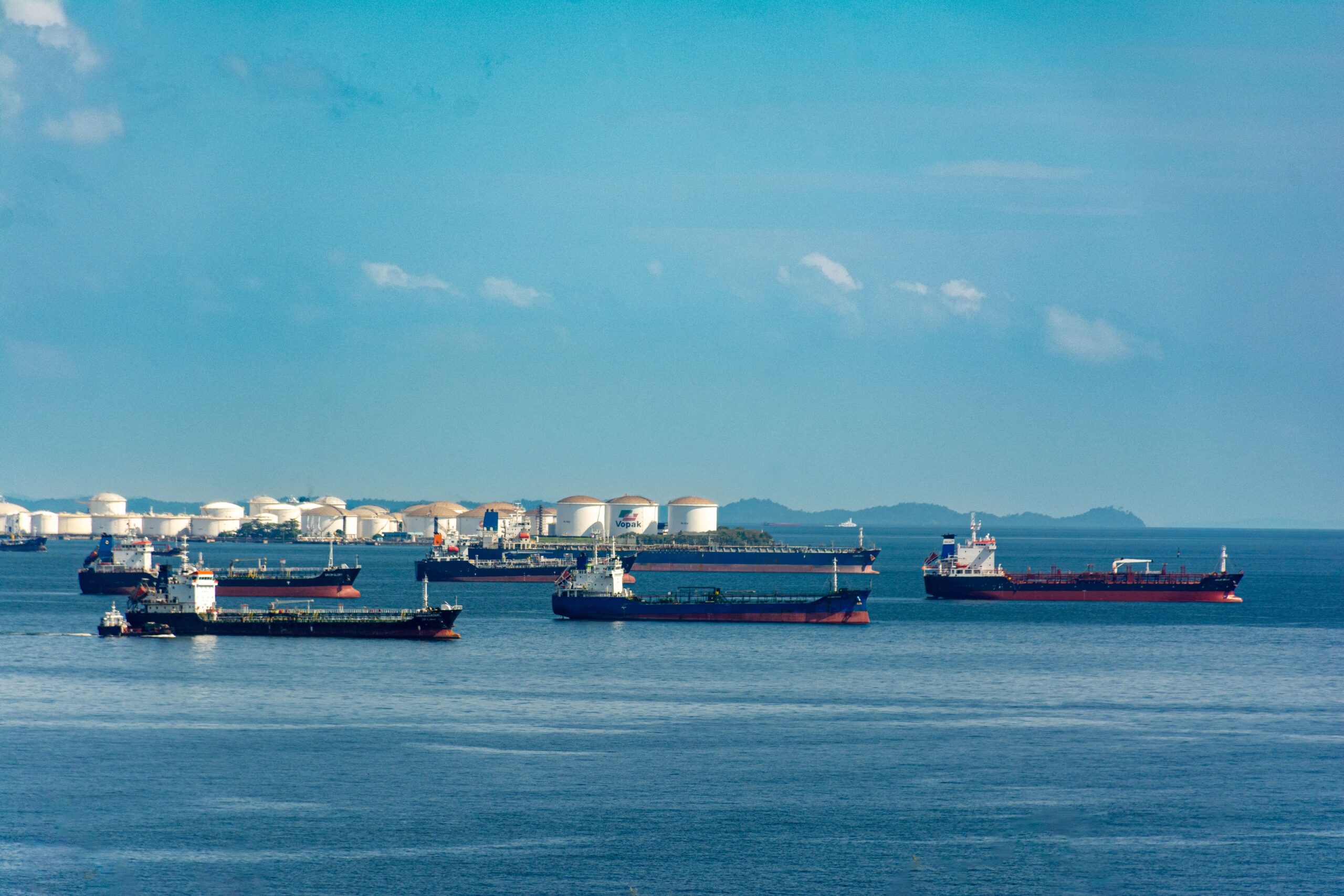
Credible uncertainty remains regarding the long-term status of the relationship between the two administrations, but the immediate term is defined by this specific failure. The policy announcement has been overtaken by the physical reality of the maritime routes. Businesses and consumers, who may have adjusted expectations based on the initial announcement, are now left in a status quo where Russian diesel is not part of the US supply equation via this channel.
The near-term implication is a return to pre-deal conditions. The economic story is not one of a new trade boom or a significant price drop, but of a halted transaction. The diversion of the tankers serves as a concrete example of how political agreements can fail to translate into economic activity. The next development to watch will be whether further announcements are made to explain the diversion or if the silence persists, leaving the agreement as a historical footnote rather than an active economic force. The US coast remains untouched by this specific Russian diesel, and the trade route that was promised has been abandoned.