
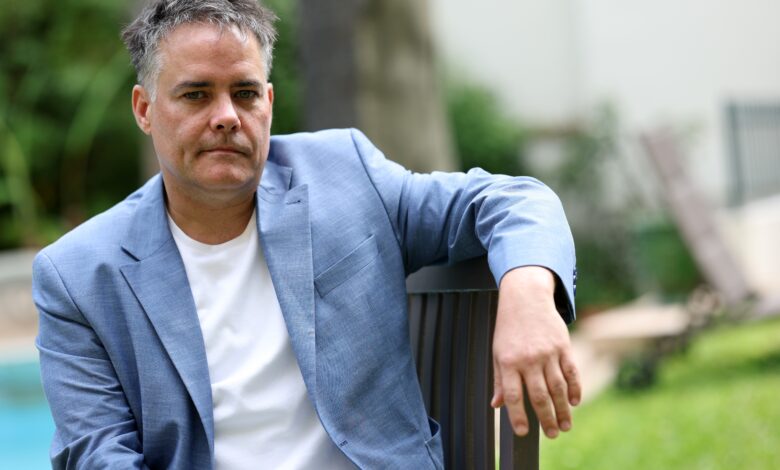
The timing of Lelio’s death introduces a layer of complexity to the immediate aftermath of his passing, as he was not in retirement or in a period of hiatus, but rather in the midst of active production. According to reports, the director was currently filming an adaptation of Alejandro Zambra’s novel, Chilean Poet. Additionally, he was working on Voyagers, a highly anticipated project starring actors Andrew Garfield and Daisy Edgar-Jones. This detail underscores the intensity of his professional commitment up until his final days and places his recent work in a state of uncertainty, requiring the production teams to determine the next steps for unfinished footage and creative vision.
Lelio’s legacy is defined by his ability to bridge Chilean cultural narratives with global audiences. His previous work, A Fantastic Woman, had earned him the Academy Award for Best Original Screenplay, cementing his status as one of the most significant voices in contemporary cinema. In her statement, Kassai highlighted this contribution, noting that Lelio “made significant contributions to Chilean culture at important moments in its history.” This characterization positions his death not merely as a personal tragedy for his family, but as a cultural loss for Chile and the broader artistic community that looked to his work for insight into the nation’s social and political landscape.

The immediate public response has been one of mourning, with tributes focusing on the director’s professional achievements and personal character. Kassai described Lelio as “a wonderful person,” a sentiment that reflects the respect he commanded both within the industry and among the public. The statement also included a specific request from the family: “As a family, we ask for privacy and consideration during these difficult times.” This plea for privacy is a standard yet crucial element in the management of public grief, particularly for figures whose private lives are often scrutinized by media outlets. The family’s request sets a boundary for public discourse, shifting the focus from immediate sensationalism to a period of respectful remembrance.
While the specific medical details of the “health complications” have not been elaborated upon in the initial public statements, the phrasing suggests a process that may have been ongoing or acute. In the absence of further medical disclosure, the public narrative remains focused on the professional and personal impact of his death. The film industry, known for its collaborative nature, is now faced with the logistical and emotional task of addressing the projects Lelio was working on at the time of his death. For Chilean Poet and Voyagers, the next steps will likely involve consultations between the production companies, the cast, and Lelio’s family to decide whether to complete the films, withdraw them, or honor the director’s specific creative intent in a manner yet to be defined.

The significance of Lelio’s work extends beyond individual films to the broader representation of Latin American cinema on the world stage. By achieving critical and commercial success with A Fantastic Woman, Lelio demonstrated that stories rooted in specific national contexts could resonate universally. His death at 52, a relatively young age for a career of such longevity and impact, has prompted a reflection on the sustainability of the demanding schedules inherent in professional filmmaking. However, it is essential to distinguish between this professional context and the cause of his death, which is attributed to health complications rather than any specific incident or external factor.
As the film industry and the public process this loss, the focus remains on the family’s request for privacy. The narrative surrounding Sebastián Lelio’s death is currently defined by the duality of his profound professional achievements and the intimate grief of those who knew him personally. The immediate future will see the continuation of tributes from the entertainment sector, but the most significant next step lies in the respectful handling of his unfinished work, ensuring that his legacy is preserved in a manner that reflects his own artistic standards and the family’s wishes for dignity during this time.