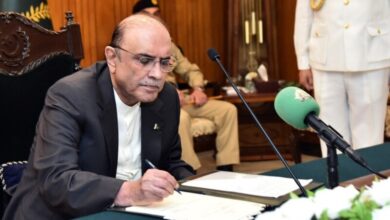

The conviction stems from a plot to assassinate President Donald Trump, former President Joe Biden, and former U.S. Ambassador to the United Nations Nikki Haley. According to court records and prosecution statements, the individuals hired to carry out the assassination were undercover Federal Bureau of Investigation (FBI) agents. The jury returned a guilty verdict in March after a deliberation period reported to have lasted less than two hours.
Prosecutors presented evidence that Merchant’s involvement in the plot originated during a series of trips to Iran. While initially traveling for religious pilgrimages, Merchant was allegedly introduced to a handler from the Islamic Revolutionary Guard Corps (IRGC). Prosecutors stated that Merchant traveled to Iran 15 times, receiving training from Iranian intelligence officers before flying to the United States in April 2024 to execute the plan. As part of the initial agreement, Merchant paid $5,000 to the undercover agents. He was arrested in Texas in July 2024, shortly before he was scheduled to depart the country.
In his defense, Merchant contended that he was acting under duress. He testified that his IRGC handler threatened to reveal the identities and locations of his relatives in Iran, leaving him “no other option” but to participate in the plot. Merchant further argued that he had anticipated his arrest before any violence occurred and intended to cooperate with U.S. authorities. He reportedly hoped that such cooperation would assist in his efforts to obtain a U.S. green card. The jury, however, rejected these arguments, finding him guilty on all counts.
The legal significance of the case lies in the intersection of domestic criminal law and international state-sponsored terrorism. The charges relied upon statutes targeting acts of terrorism that transcend national boundaries, reflecting the U.S. government’s posture toward foreign intelligence services operating on American soil. The sentencing reflects the severity attached to plots targeting the President of the United States and high-ranking officials, even when no victim was harmed due to the intervention of law enforcement.
President Trump, who has publicly discussed the 2020 airstrike that killed Iranian General Qasem Soleimani, was a primary target of the plot. Merchant stated in court that the assassination was intended as retribution for Soleimani’s death, a claim consistent with statements made by Iran’s late Supreme Leader, Ayatollah Ali Khamenei, who called for “severe revenge” following the attack. While the plot focused largely on the sitting president, the inclusion of former officials in the target list underscores the broad scope of the conspiracy as defined by the prosecution.
Attorney General Todd Blanche issued a statement following the sentencing, emphasizing the Department of Justice’s stance on foreign interference. “An Iranian agent who came to the United States to coordinate an assassination attempt against President Trump has been justly sentenced for his criminal conduct,” Blanche said. He added that the department “will not tolerate foreign terrorist plots against our leaders and will not stop until those responsible are held accountable.” The ruling serves as a formal judicial determination of guilt, distinguishing Merchant’s actions from mere suspicion or unproven allegations, and establishes a concrete precedent for the prosecution of foreign-directed assassination plots under U.S. federal law. No further proceedings are currently indicated in the public record, though appellate rights remain available to the defendant.