

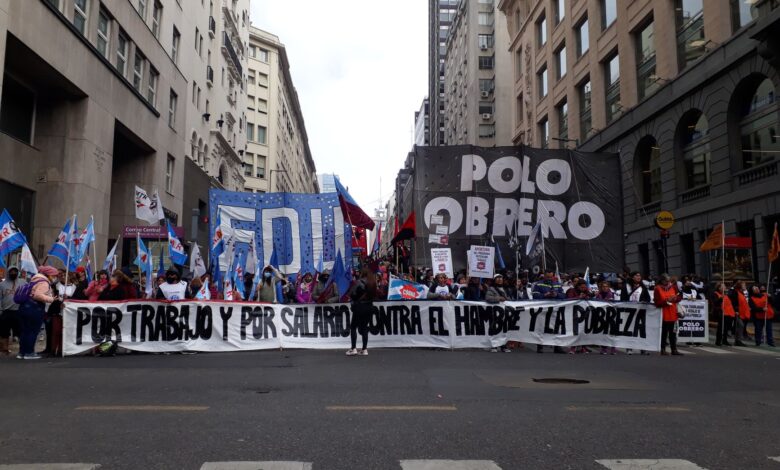
Prices Outpace Wage Growth
The primary driver of this reversal is a widening gap between household incomes and the cost of living. While average per-capita household income rose by 11.5% over the six-month period, the basic basket of goods used to set the poverty threshold increased by nearly 20%. This disparity has pushed approximately 9.7 million people across the 31 urban centers surveyed by INDEC below the poverty line, including 2.25 million in extreme poverty. Nearly 45% of children under the age of 15 are now classified as poor.
The labor market has compounded these pressures. Unemployment reached 7.9% in the second quarter of 2026, the highest level since 2021. Formal private-sector payrolls have contracted for 13 consecutive months, and average real wages remain below the levels recorded when Milei took office in December 2023. INDEC also reported that overall economic activity fell by 2.9% in July from the previous month, adding further strain to an already stretched economy.

Political and Economic Context
The data release arrives at a sensitive moment for the administration, which has repeatedly cited declining poverty rates as evidence that its free-market overhaul was bearing fruit. When Milei assumed power, he inherited triple-digit inflation and chronic fiscal deficits. His government responded with aggressive austerity measures, including the devaluation of the peso and sweeping cuts to public spending and subsidies. These policies helped tame inflation and led to a sharp drop in poverty, which hit an eight-year low of 28.2% by the end of 2025, down from a peak of nearly 53% in the first half of 2024.
However, the macroeconomic stability achieved has yet to translate into sustained job creation or income growth. Critics argue that the social costs of achieving fiscal balance have fallen disproportionately on the most vulnerable. A September analysis by the Argentine Institute of Fiscal Analysis found that cuts to pensions and social assistance accounted for nearly a quarter of the government’s total inflation-adjusted spending reductions. The removal of transport and utility subsidies has further squeezed working-class budgets.
“Milei persuaded people that achieving a fiscal surplus required sacrifice, and that by now those sacrifices would be paying off,” said Lucas Romero, a political analyst who heads the polling firm Synopsis Consultores. “Without tangible results — in economic activity, jobs and incomes — it will be difficult to persuade people to keep making sacrifices.”
The political stakes are high with less than a year remaining until the next presidential election. An AtlasIntel survey indicated that disapproval among lower-income respondents, defined as those earning up to approximately $650 a month, has climbed to nearly 70%, while approval has fallen below 30%. In response to the data, Economy Minister Luis Caputo acknowledged the figures but framed them against the crisis peak, noting that both poverty and extreme poverty rates remain significantly lower than they were in the first half of 2024. The government has stated it will not expand public spending or reintroduce subsidies, maintaining that fiscal discipline remains the only durable path to exiting Argentina’s chronic inflation cycle.
Looking ahead, economists expect the trend to continue. The Catholic University of Argentina (UCA) estimates that the poverty rate could rise to 35% by the end of the year. Agustín Salvia, director of the Argentine Social Debt Observatory at UCA, noted that between 400,000 and 450,000 people have fallen into poverty each quarter over the last four quarters. As social strains grow, with reports of overflowing soup kitchens and a resurgence of barter clubs, the administration faces the challenge of maintaining its economic program while addressing the immediate livelihood concerns of a significant portion of the population.