
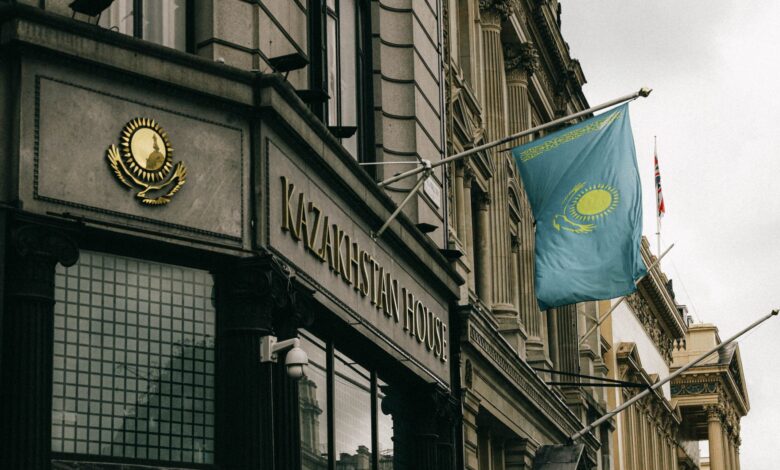
The diplomatic move represents the most unambiguous and decisive action against Moscow in sixteen years. By removing one-fifth of the staff at the Russian Embassy, the government has effectively curtailed the operational capacity of a diplomatic presence that previously maintained close ties with Budapest’s previous leadership. This expulsion underscores a shift in Hungary’s foreign policy, moving away from the ambiguous stance maintained by its predecessors and aligning more closely with Western security frameworks.
Domestically, the administration is proceeding with a comprehensive overhaul of the public administration system. The immediate targets of this restructuring are the local officials and “regional barons” who held significant power under the Fidesz-led government. For more than a decade, these figures exercised substantial influence over county-level resources and appointments. The current administration seeks to centralize this authority, thereby reducing the capacity of former ruling party loyalists to maintain local political fiefdoms. The first wave of these administrative changes is already underway, setting the stage for a broader reorganization of state power at the local level.
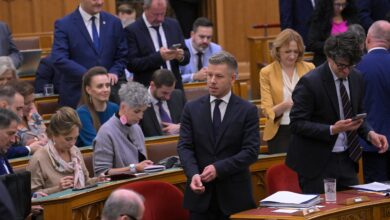
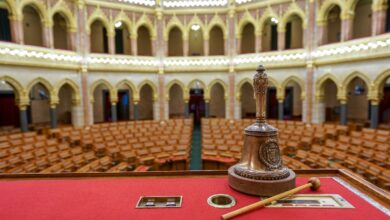
The political tensions accompanying these policy shifts were laid bare at the opening of the regular autumn session of the Hungarian National Assembly on Monday, September 7. The proceedings began with a speech by Prime Minister Magyar, but the debate quickly devolved into personal attacks that Speaker of Parliament Ágnes Forsthoffer deemed unworthy of the institution.
László Toroczkai, leader of the far-right Mi Hazánk party, launched a verbal assault on the Prime Minister, comparing him to a “disgusting, cowardly worm.” Toroczkai’s outburst followed Magyar’s accusation that Toroczkai had been visiting government ministries with Fidesz associates to lobby for family businesses. Toroczkai rejected these claims as “extremely serious and despicable lies,” demanding an immediate apology and suggesting that Magyar was projecting his own alleged involvement in corruption cases from the “System of National Cooperation” era onto his opponent.
“Let him immediately ask… or since we were already on first-name terms… ask for forgiveness, right now, and do not run away like a cowardly, disgusting worm!” – László Toroczkai
Speaker Forsthoffer intervened to restore order, explicitly banning Toroczkai from entering the parliament building for the remainder of the week. Under this sanction, the Mi Hazánk leader is permitted to be present in the chamber only for voting procedures. The incident highlighted the volatile nature of the new parliamentary dynamics, where the previous norms of parliamentary composure have given way to acute partisan confrontation.

Toroczkai has refused to apologize for the insult, arguing on social media that Magyar regularly labels opponents as “liars, crooks or criminals.” He further accused the Speaker of applying double standards in disciplining members of the assembly. The exchange illustrates the fragile political landscape in which the Tisza government is attempting to implement its reforms. While the administration has moved quickly to assert control over diplomatic and administrative levers, it faces intense resistance from opposition factions that remain deeply entrenched in local politics and critical of the new leadership’s methods.
Beyond the immediate political clashes, the government faces significant economic challenges. The national budget deficit has reached a historic high, a consequence of the previous administration’s fiscal policies. While the Tisza government has outlined measures to revive the economy and stabilize public finances, many of these specific proposals are still awaiting adoption by the assembly. The coming weeks will determine whether the administration can translate its initial diplomatic and administrative victories into sustainable economic stability while navigating a deeply polarized parliament.