
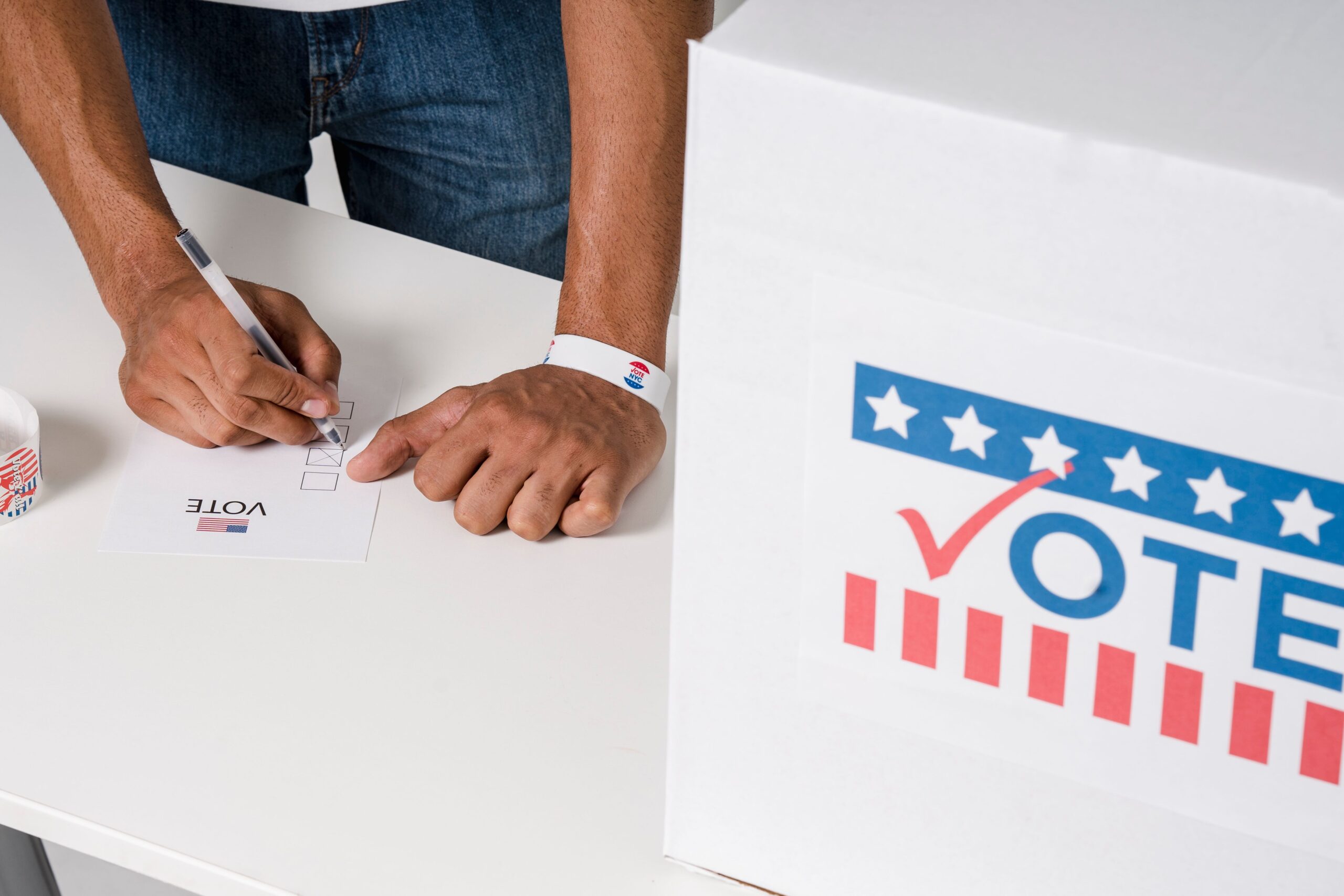
The final results showed a narrower gap between the top two candidates than initially projected. Exit polls had suggested a margin of 12.2 points, while another early report indicated Gibała held 36.6% of the vote. The official count confirmed Gibała’s lead, though the margin was significantly smaller than the exit poll estimates. Turnout for the first round stood at 43.5%.
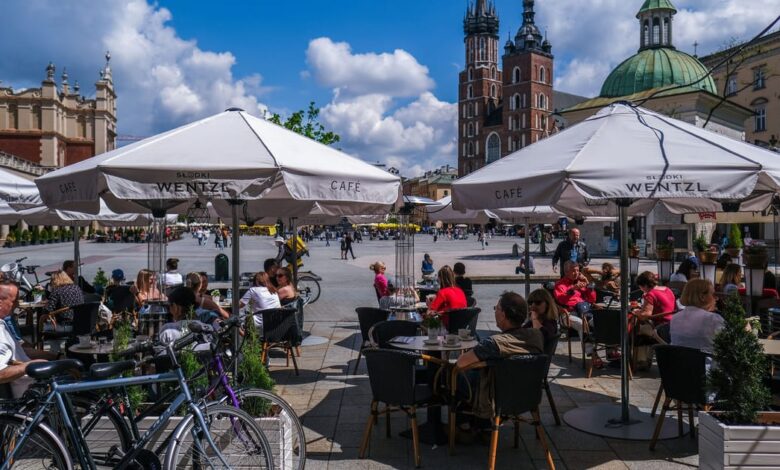
The election is viewed as a critical indicator of political strength for the Civic Coalition in the lead-up to the country’s general parliamentary elections in the fall of 2027. The Civic Coalition currently holds the mayoralty in Kraków, a position it regained after its previous mayor, Aleksander Miszalski, was removed via a referendum in May. Miszalski faced mounting local opposition, particularly regarding the implementation of a clean-transport zone in the city, which contributed to his recall.
Right-wing opposition parties, including Law and Justice (PiS) and far-right groups, have framed the removal of Mayor Miszalski as evidence of declining support for Tusk’s government. They argue that the political turbulence surrounding the Kraków mayoralty reflects broader dissatisfaction with the administration’s policies. The upcoming runoff offers Tusk’s camp an opportunity to consolidate control over the city’s leadership and counter these narratives.
For Gibała, the first-round victory provides a second chance to secure the office he narrowly missed in 2024. In that previous election, he lost to Miszalski by a margin of just a few thousand votes. His current standing places him in a strong position to challenge the Civic Coalition’s grip on Kraków’s political landscape.
Political dynamics for the second round are already taking shape. Statements from parties opposed to Tusk’s coalition indicate that some may choose to back Gibała against Piątkowska in the runoff. Such an alliance could alter the balance of power in the final vote. Meanwhile, similar political pressures are emerging in the capital, with discussions about a potential referendum targeting Mayor Rafał Trzaskowski, who is also a member of Tusk’s Civic Coalition.
The result in Kraków highlights the fragmented nature of the Polish political opposition. While the Civic Coalition retains its base, the ability of an independent candidate to outperform the party-backed contender suggests a shift in local voter sentiment. The October 11 runoff will be a decisive moment for Tusk’s government as it prepares for the national elections next year.