
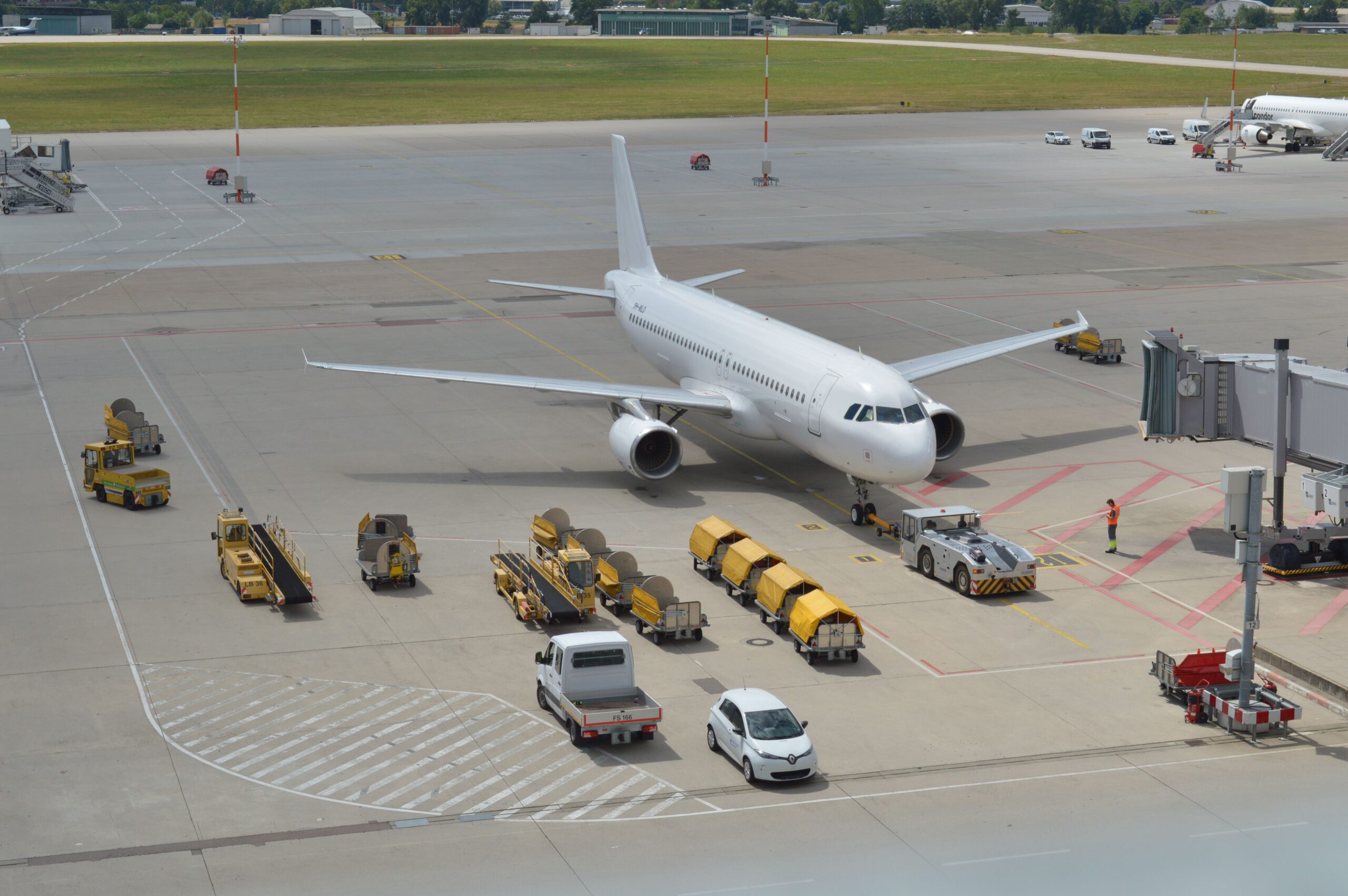
France’s civil aviation authority, the DGAC, ordered airlines to reduce their flight operations to manage the impact of the strike and guarantee the safety of air traffic. The measures were confirmed on Monday evening, with specific timeframes and percentage cuts established for major hubs. At Paris Charles de Gaulle, flights were required to operate at a reduced capacity of five percent between 07:00 am and 8:00 pm local time (0500 GMT – 1800 GMT). The restrictions were more severe at Marseille-Provence airport, where services were cut by 25 percent from 4:00 pm until midnight.
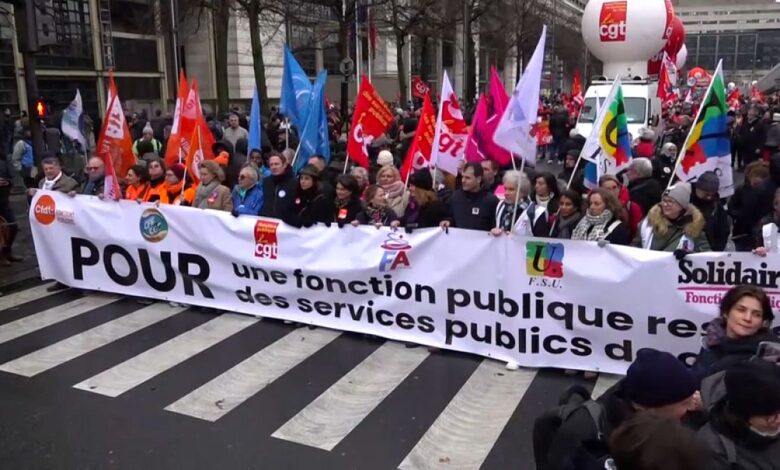
These operational curbs are part of a broader pattern of industrial unrest in France, where public service strikes have become a recurring mechanism for challenging government policy. Previous strikes, including those in July and September, have seen police and other public servants take to the streets, highlighting the depth of discontent within the civil service. The current action is strategically timed to maximize political leverage, occurring just days before the government unveils its new budget. By halting key services and disrupting the daily lives of millions of travelers, unions hope to force political concessions regarding the compensation of public employees.
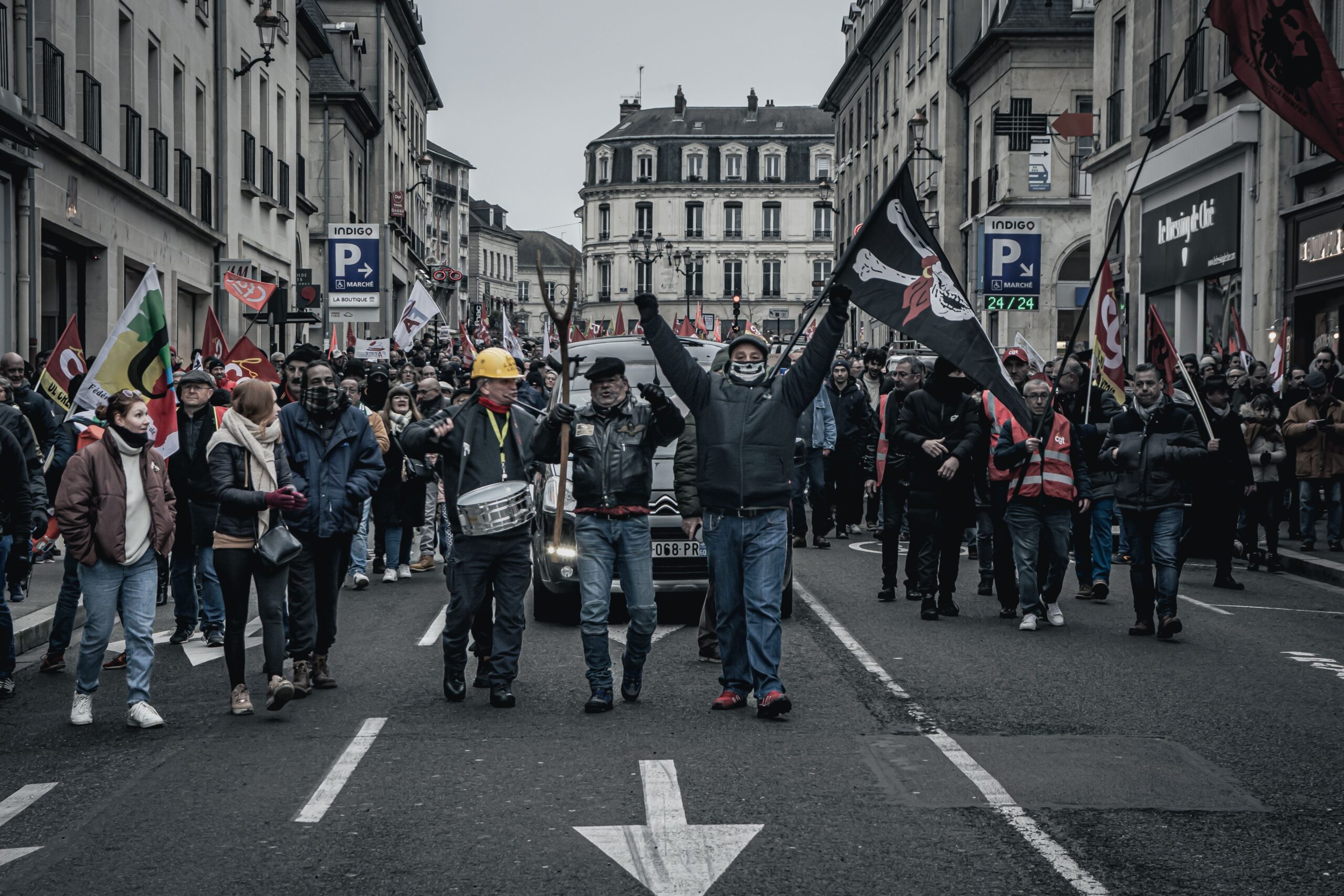
The primary grievance driving the strike is the implementation of a pay freeze for civil servants. Public-sector unions argue that this measure fails to account for inflation and the rising cost of living, effectively eroding the real value of wages for a significant portion of the workforce. The government, facing fiscal constraints, has maintained that the freeze is a necessary step to stabilize public finances. The clash represents a fundamental disagreement over the allocation of state resources and the treatment of the public workforce in an increasingly tight economic environment.
Beyond the two major airports where specific percentage cuts were mandated, the DGAC warned of potential disruptions at several other regional hubs. Passengers at airports in Nantes, Strasbourg, Limoges, Tarbes-Lourdes, and Pau were urged to check with their airlines before traveling, as staff shortages could lead to unpredictable delays. The authority stated that the reductions were intended to “limit disruption and guarantee the safety of air operations,” acknowledging that while the strike would cause inconvenience, the priority remained the safe management of remaining flights. For passengers, the impact has been immediate, with many facing the prospect of missed connections and stranded travel plans.
The political significance of the strike extends beyond the immediate logistical challenges. It underscores the vulnerability of the government to organized labor action in the lead-up to the budget announcement. The budget process is a cornerstone of French governance, determining the scope of public spending and the trajectory of economic policy. By striking at this juncture, unions are attempting to inject their demands into the political narrative surrounding the budget, hoping that the visible suffering of the public will translate into political capital for their cause.
Opposing positions remain stark. The unions maintain that the pay freeze is unjust and that public servants, who provide essential services, deserve compensation that reflects economic realities. The government, conversely, argues that fiscal discipline is paramount and that the proposed measures are unavoidable given the current financial landscape. This debate has historically been a flashpoint in French politics, often leading to prolonged periods of tension between the state and organized labor.
As the strike continues, the focus remains on the potential for further escalation. The coming days will be crucial as the government prepares to present its budget, which will likely include provisions addressing the concerns raised by the striking workers. Whether the administration chooses to negotiate with union leaders or stand firm on the pay freeze will determine the next phase of this political confrontation. For now, the empty runways and crowded terminals serve as a stark reminder of the high stakes involved in the debate over France’s public finances.