

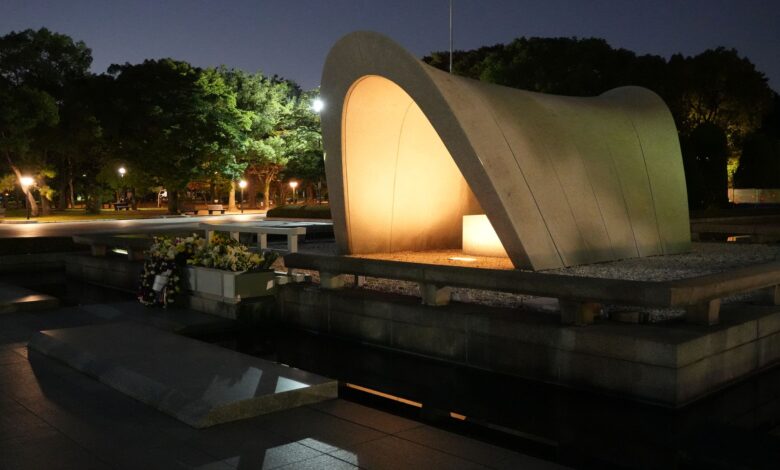
The ceremony, however, was overshadowed by a significant shift in Tokyo’s strategic rhetoric. Prime Minister Sanae Takaichi, attending the memorial for the first time in her capacity as head of government, stated that Japan would take a “realistic approach” toward a world without nuclear weapons within the framework of the United Nations. While she affirmed that Japan has maintained its postwar “three non-nuclear principles,” she notably fell short of explicitly committing to them for the future. This diplomatic nuance has raised urgent questions among defense analysts and peace activists alike, as speculation grows that Takaichi’s administration may ease the third principle—which prohibits bringing nuclear weapons into the country—as it compiles new security and defense documents later this year.
Erosion of Pacifist Trust
For the remaining atomic bomb survivors, known as *hibakusha*, this potential policy reversal represents a betrayal of the foundational trust Japan built with the international community after World War II. Masako Wada, assistant secretary general of Nihon Hidankyo, the Japan Confederation of A- and H-Bomb Sufferers’ Organizations, and a survivor of the Nagasaki bombing, noted that Japan’s pacifist constitution was adopted in direct reflection on the horrors of the war. “Japan earned the trust of the international community as a country that promised never to wage a war again,” Wada said. She warned that the current administration is destroying that trust by pivoting away from decades of strict postwar pacifism, citing growing security risks from China, North Korea, and Russia as the primary drivers for increased defense spending and eased weapons export restrictions.
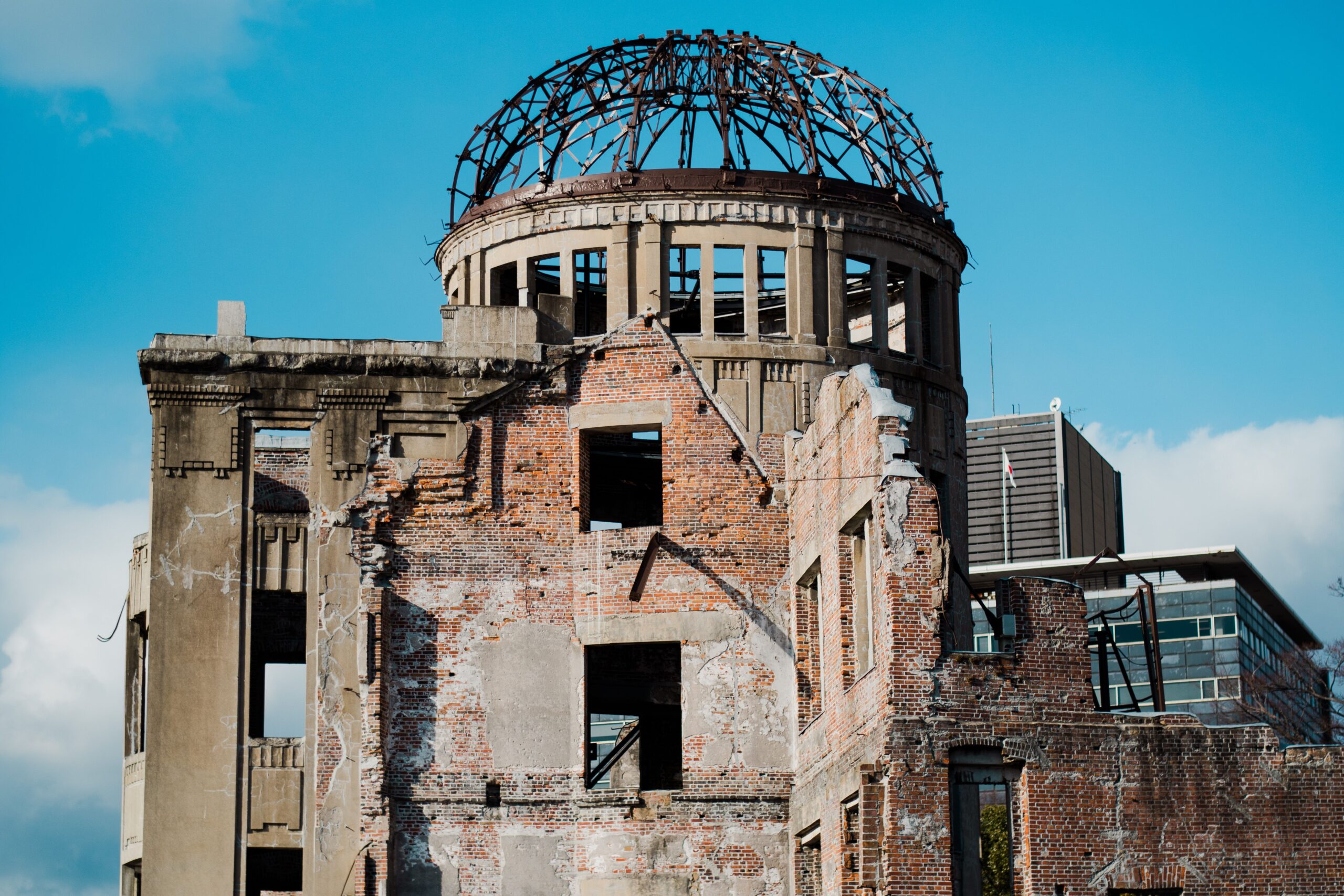
Masashi Ieshima, an 84-year-old Hiroshima survivor who serves as chairman of the Tokyo affiliate of Nihon Hidankyo, expressed profound frustration with the government’s justification for its military buildup. “It makes my blood boil to see Japan justify its military buildup and the easing of arms export restrictions over the possibility of a Taiwan conflict,” Ieshima said. He drew a direct parallel between the current trajectory and the historical arms race that led Japan into the Second World War, warning that if the country continues down this path, it could lead to war, potentially of a nuclear nature.
A Dwindling Witness
The urgency of these warnings is compounded by the demographic reality of the *hibakusha* community. According to Japan’s Ministry of Health, Labor and Welfare, the number of surviving atomic bomb victims has fallen to 91,105, roughly a quarter of the original population. Their average age has now exceeded 86, with the population decreasing by approximately 8,000 in the past year alone.
This demographic decline creates a critical challenge for the transmission of memory. Many of the youngest survivors were too young at the time of the bombings to clearly recall the events, and the physical toll of radiation exposure continues to be a defining feature of their lives. Ieshima, who was three years old when the bomb landed 2 kilometers from his home, underwent surgery for thyroid cancer in 2015, an illness officially recognized as atomic-bomb related. His father, also exposed to the blast, died of laryngeal cancer. The passing of this generation threatens to leave the international community without direct human testimony of the weapon’s immediate and long-term consequences.
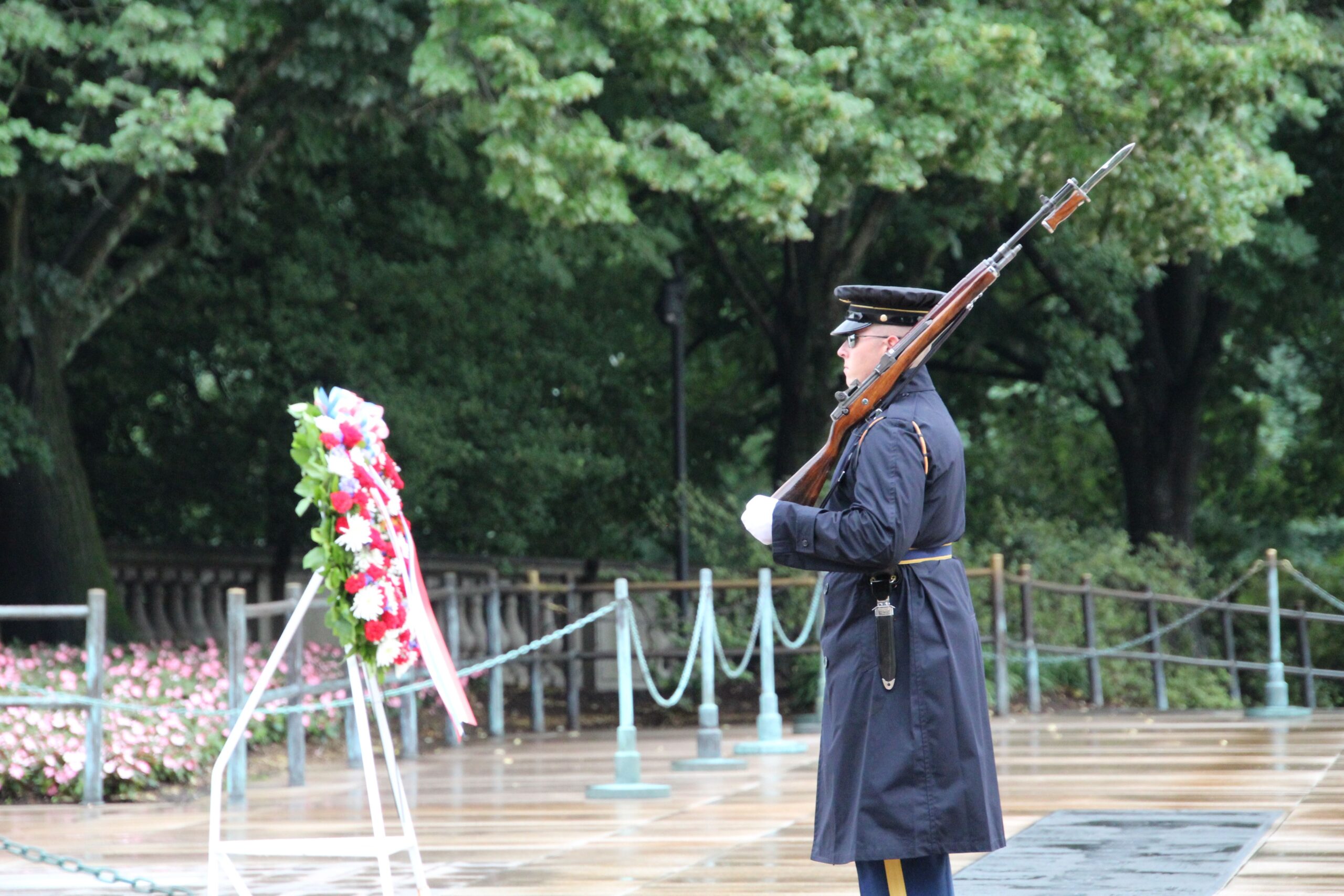
Hiroshima Mayor Kazumi Matsui used the occasion to challenge the growing global acceptance of nuclear weapons as instruments of security. “Policymakers of the world, civil society demands the immediate abolition of nuclear weapons,” Matsui stated in his peace declaration. He argued that downplaying the inhumanity of nuclear weapons and accepting the use of force to pursue national prosperity risks creating cycles of violent retaliation. “Too many political leaders still consider nuclear deterrence a realistic approach… which simply pushes a world without nuclear weapons further into the distance,” he said.
United Nations Secretary-General António Guterres, in a written statement, emphasized that Hiroshima stands as an example of resilience and renewal, urging a global shift toward “dialogue over division, cooperation over confrontation and common security over narrow advantage.” As Japan navigates its new security posture, the tension between the strategic imperative for enhanced defense capabilities and the moral legacy of the atomic bombings remains acute. The next confirmed development in this trajectory will likely be the release of Japan’s new security and defense documents, which are expected to clarify whether the non-nuclear principles will be formally retained or reinterpreted.