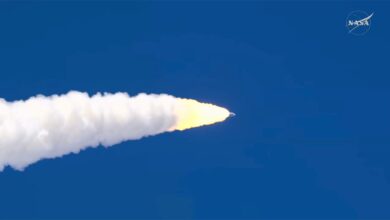
The need for additional personnel is driven by the current staffing levels and the upcoming mission schedule. NASA currently has 32 active astronauts, a number agency officials describe as insufficient for the pace of its lunar campaign. Artemis III commander Randy Bresnik stated to The Associated Press, “We have far more work than we have astronauts.” This personnel gap exists against the backdrop of significant recent milestones, including the Artemis II lunar flyaround in April, which kicked off the lunar campaign. With the next major step being the Artemis IV mission, scheduled to attempt a landing of two astronauts near the lunar south pole the following year, the agency requires a larger pool of trained candidates to sustain continuous operations.
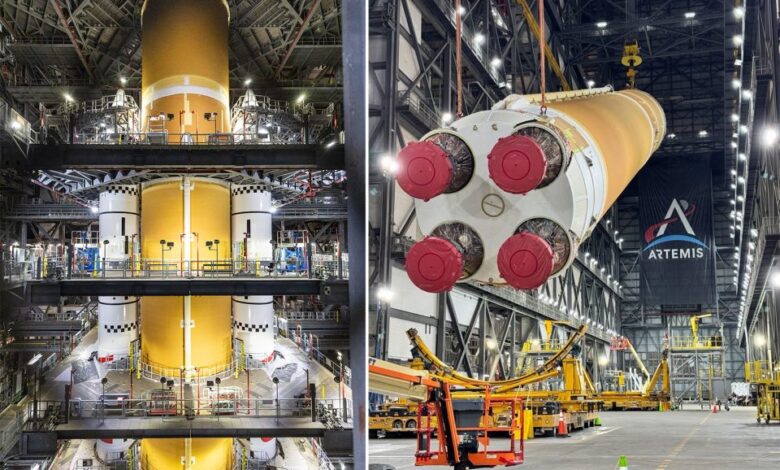
Parallel to the recruitment of human spaceflight personnel, the physical infrastructure required for these missions is undergoing critical preparation. Boeing, the US manufacturer responsible for producing the core stage of the Space Launch System (SLS), is preparing the component for fuelling and structural tests. The SLS is the launch vehicle that propels the Artemis missions, and its core stage is essential for delivering payloads to the moon. According to available information, the launch vehicle is designed to support longer lunar operations and deliver satellites to geostationary orbit, indicating a dual-purpose capability that extends beyond immediate lunar goals to broader deep-space logistics.
The timeline for the new astronaut class is tightly coupled with the technical readiness of the hardware. Aspiring astronauts have until December 3 to submit their applications. NASA expects to make its final selection by late 2027, with the new candidates beginning their training by early 2028. This start date aligns with the year NASA intends to return astronauts to the lunar surface after an absence of more than half a century. The synchronization of the training pipeline with the operational window for Artemis IV suggests a coordinated effort to ensure that fresh personnel are ready to deploy as the infrastructure—such as the SLS core stage—passes its structural and fuelling tests.
While the Artemis III crew, including Bresnik and Frank Rubio, will blast into orbit next summer, their mission serves as a rehearsal rather than the final destination. Bresnik and his three crewmates will practice docking their capsule with a pair of lunar landers, one built by SpaceX and the other by Blue Origin. This mission will remain close to Earth, with no lunar flyby, serving as a dress rehearsal for the more complex Artemis IV landing. The distinction between these missions is critical: Artemis III validates the docking procedures with commercial partners, while Artemis IV executes the actual surface landing near the south pole.
The broader scientific and operational goal is the materialization of a moon base. This infrastructure, which will include rovers, robots, structures, and power grids, will be launched over time. The recruitment of the 25th astronaut class, following the original Mercury Seven in 1959, is thus not merely about filling seats on a rocket, but about staffing the long-term construction and operation of this base. The process from application to launch is extensive. Frank Rubio, a member of the Artemis III crew who holds the U.S. endurance record with 371 consecutive days in space, noted that patience is essential. He emphasized to the AP that the actual time spent on the moon will be a small fraction of the candidate’s experience. “It’s important for them to realize most of that work is not going to the moon, right?” Rubio said. “That will be about 1% of your experience. What you’re doing is contributing to the mission of going to the moon.”
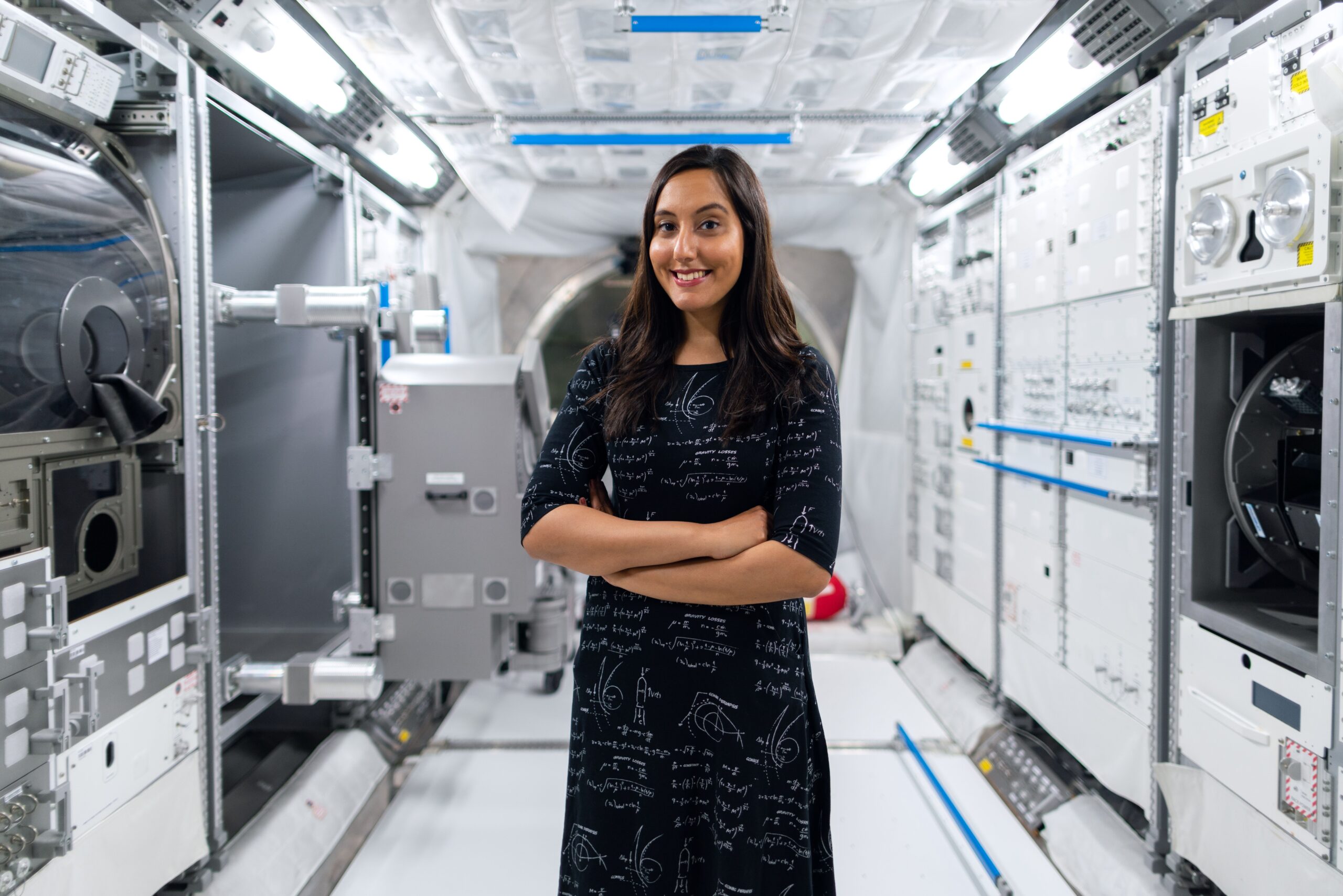
Candidates for the new class must meet specific criteria, including U.S. citizenship, a college degree, and professional work experience. The mandatory two-year training period is described as grueling, and it may take several additional years before a candidate actually flies. This extended timeline underscores the difference between the immediate hardware tests being conducted by Boeing and the long-term human capital development required by NASA. While the SLS core stage undergoes fuelling and structural tests to ensure the vehicle can support longer lunar operations, the new astronaut class undergoes a rigorous preparation phase to ensure they can manage the complexities of a permanent lunar presence.
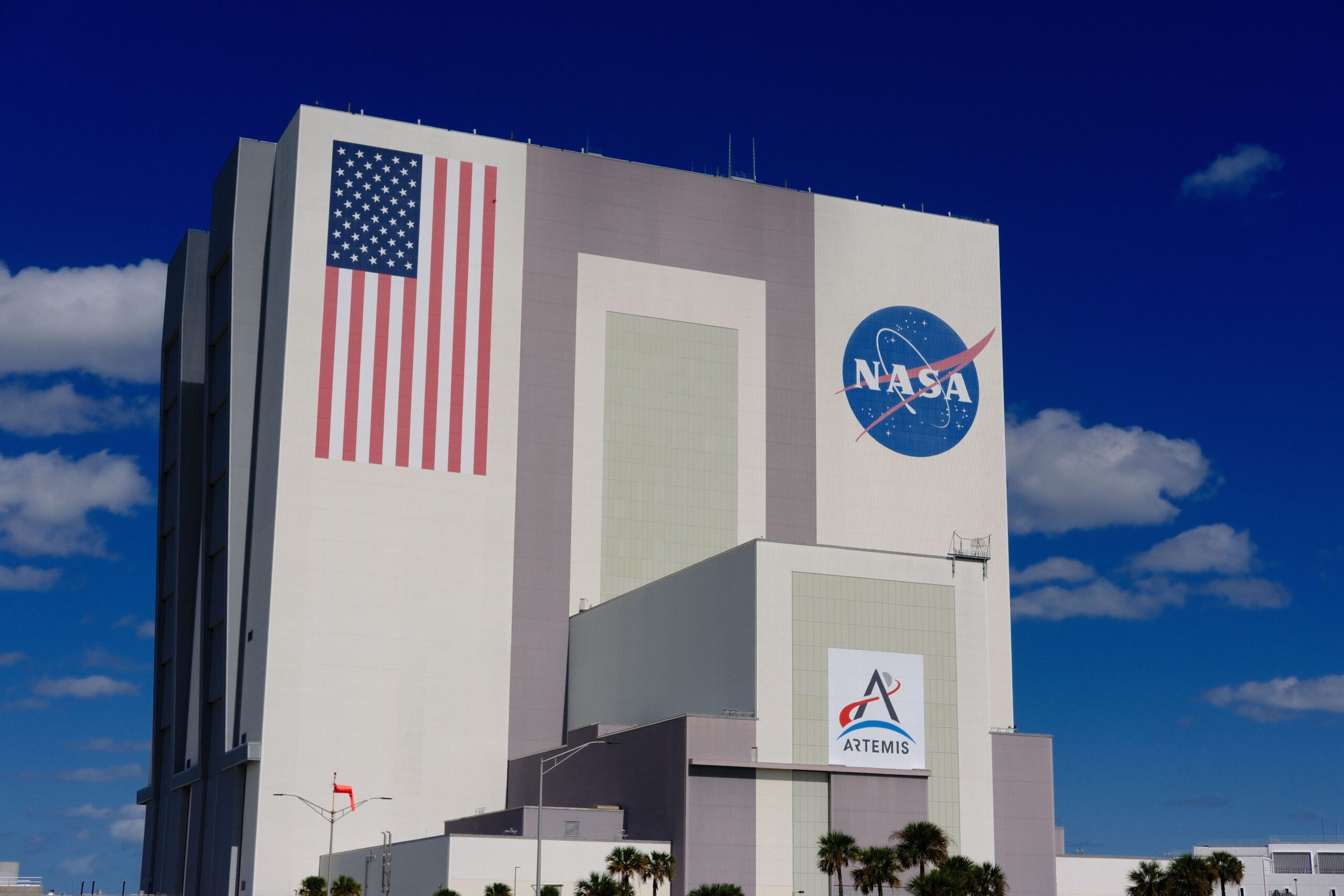
The convergence of these two tracks—hardware validation and crew recruitment—defines the current phase of the Artemis program. The SLS core stage, once tested, will provide the propulsion necessary for the missions, while the new astronaut class will provide the operational workforce. The announcement at the Kennedy Space Center air show serves as a public marker for this transition, moving the program from initial lunar flybys to the concrete steps of surface landing and base construction. As the application window closes on December 3, the focus shifts to the selection and training processes that will determine who joins the 32 active astronauts in the effort to establish a sustained human presence on the moon.