The constitutional framework dictates that the monarch appoints the head of government from the party that secures the largest share of the popular mandate. In the recent poll, the PAM, a liberal-centrist formation, won 97 out of 395 seats in the House of Representatives, equivalent to 24.55% of national representation. This result placed the party ahead of the National Rally of Independents (RNI), which secured 66 seats, and the Istiqlal Party, which won 65. The outcome signals a significant shift in the political landscape, particularly given the collapse of the RNI, which led the outgoing government and changed its leadership earlier this year.
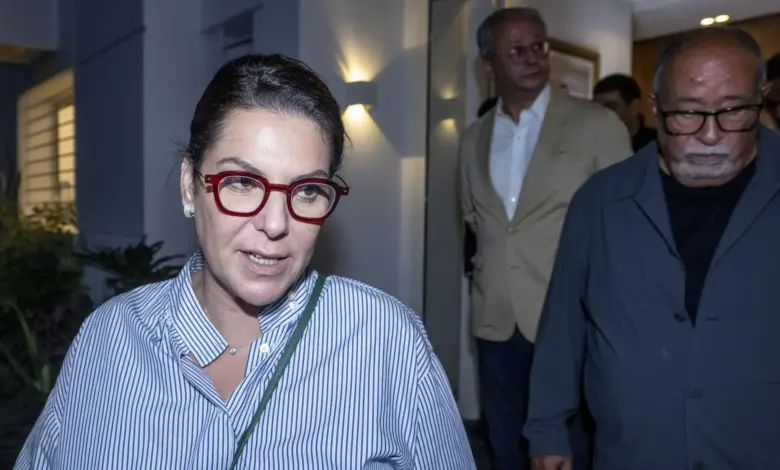
El Mansouri’s appointment closes a week of uncertainty regarding who would lead the new administration. While technocratic figures such as Fouzi Lekjaa, the Minister Delegate for the Budget, were rumored for the post, the decision ultimately favored the political leader who spearheaded the electoral campaign. A 50-year-old lawyer specializing in commercial and international law, El Mansouri brings over 17 years of experience in national politics. Her career includes serving as the Mayor of Marrakech from 2009 to 2021, where she became the first woman to head a major Moroccan city, and her tenure as Minister of Housing, Urbanism, and City Policy in the previous cabinet, where she oversaw territorial development and the resettlement of victims of the 2023 Al Haouz earthquake.
The Path to Investiture
The immediate challenge for El Mansouri is to forge a stable majority coalition. Under the current parliamentary composition, she must secure at least 198 votes in the House of Representatives to obtain investiture. This process requires negotiations with other parliamentary blocs, including the RNI and the Istiqlal Party, both of which were part of the previous governing alliance. The parliamentary session is scheduled to open on October 9 with the King’s address to both chambers, after which the government will present its program.
The political environment in which El Mansouri begins her tenure is marked by significant public concern over economic conditions. Voter turnout in the September elections was notably low, at 38.08%, compared to 50.86% in 2021. This apathy was compounded by allegations of irregularities, including claims of tampered ballots and the use of artificial intelligence to generate misleading campaign content. These factors have fueled a narrative of mistrust that contributed to the resurgence of the Islamist Justice and Development Party (PJD), which quadrupled its representation by campaigning against inflation and monopolies.
Economic and Strategic Priorities
El Mansouri’s mandate is defined by urgent technical and social challenges. Her primary objectives include curbing inflation, reducing youth unemployment, and overseeing the implementation of the master plan for public works and strategic infrastructure required for the joint organization of the 2030 FIFA World Cup. The government program, drafted by the party’s academy, is structured into five pacts and twenty commitments, with an estimated additional expenditure of 350 billion dirhams. Her ideology combines social modernization, including the promotion of women’s rights and the official status of Amazigh, with a pro-market economic stance and a firm opposition to political Islam.
While her appointment reinforces the institutionalization of the monarchy’s leadership and the 2011 constitutional reforms, the stability of her government remains uncertain. The low electoral participation and the fragmented nature of the parliamentary majority suggest that maintaining social cohesion will require careful navigation of economic pressures. As the session period approaches, the focus shifts to whether El Mansouri can translate her technical profile and political mandate into a durable coalition capable of addressing the country’s pressing economic and social needs.