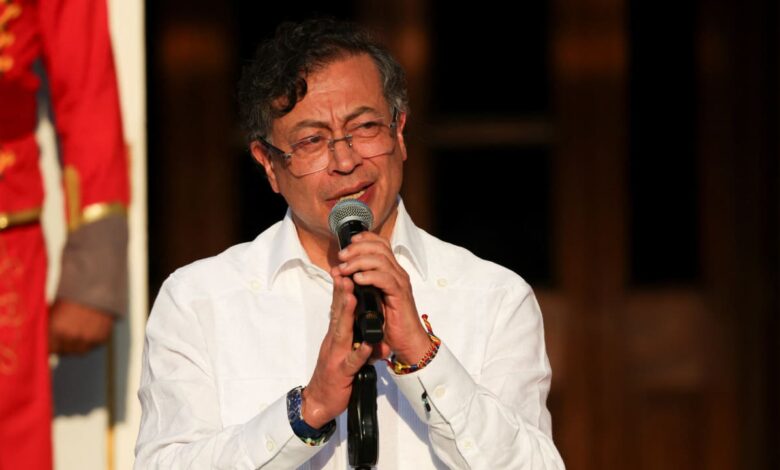
Petro highlighted prior warnings about the vulnerability of the “Bautista brothers’ software,” referencing a 2018 State Council ruling that deemed the system susceptible to tampering. He noted that he had requested the software be replaced with publicly available alternatives and sought an audit before the election, but these requests were denied. Now, Petro plans to submit this information to the judges immediately to facilitate an “expert audit of the electoral software” while the vote count is still in progress.
Formal requests have been made for a recount of all polling stations and votes, alongside a technical study of the vulnerabilities in the electoral system and the specific polling stations affected. Petro urged the public to maintain calm to ensure a recount that “truly reflects the will of the people.” He also called for a national dialogue between the major political currents in Colombian society, emphasizing the need for unity regardless of the final outcome of the recount.
The election resulted in a victory for Abelardo De La Espriella, who defeated Petro in the second round. De La Espriella, 47, ran on a platform centered on a strict crackdown on crime and security. He has proposed ending peace talks with armed groups that have fought the state for decades. His economic agenda includes a significant boost to Colombia’s oil and gas sector, lower taxes, and a reduction in the size of the state by up to 40%.
Despite his critique of the current administration’s economic and security management, De La Espriella has stated he will preserve certain popular social measures from Petro’s tenure. This includes maintaining the 23% increase in the minimum wage implemented during the outgoing president’s term.
The other major candidate in the race was Iván Cepeda Castro, 63, a leftist competitor who vowed to continue Petro’s policies. A former rebel and a figure associated with the country’s leftist movement, Cepeda’s platform included state pension payments for the poor, union-backed labor reforms, and a moratorium on new oil projects. He also advocated for the continuation of peace negotiations with armed groups. The election has highlighted a sharp division in Colombian society, with Petro now framing the dispute over the election results as a critical moment for political engagement.