One of the first visible effects of the political upending was the resignation of Harmeet Dhillon, who served as the head of the Civil Rights Division of the Department of Justice. Announcing her departure on Thursday, Dhillon’s exit follows a tenure marked by significant institutional changes. According to Stacey Young, founder of Justice Connection, a group supporting current and former civil servants, the division underwent a profound transformation under Dhillon’s leadership. Young stated that more than three-quarters of the division’s lawyers left the agency, describing the tenure as one where civil servants were told to target vulnerable communities rather than protect them.
The departure of Dhillon highlights a broader pattern of personnel turnover within the Justice Department. Reports indicate that her resignation may have been linked not only to the electoral defeat but also to her performance on a national news program. While she has been criticized for dismantling diversity, equity, and inclusion initiatives, observers note that many of the spurious cases her office pursued against universities and local officials rarely succeeded in court. Her exit underscores the volatility of the current political environment, where even high-ranking officials face pressure to depart after a significant electoral loss.

Simultaneously, tensions have surfaced among remaining administration officials regarding the causes of the midterm defeat. Vice President JD Vance, who had previously campaigned aggressively on issues including immigration and the economy, shifted his narrative post-election. In a social media post, Vance attributed the loss primarily to the war in Iran, stating, “The reason we lost is the war.” This statement implicitly directed criticism toward Defense Secretary Pete Hegseth, whose name has been floated as a future presidential contender. The shift in blame appears to have landed with both the party and President Trump, who agreed with Vance that the war contributed to the defeat, though he claimed he had “no choice” in the matter.
Defense Secretary Hegseth, for his part, defended his role and the administration’s stance in a recent video statement. In the five-minute address, Hegseth dismissed calls for his resignation, linking them to political motivation. He specifically referenced Republican Representative Thomas Massie, who had threatened to impeach Hegseth if he did not resign. Hegseth characterized these moves as an obsession with personal destruction, comparing them to previous impeachment attempts against President Trump. His comments suggest an entrenched defense of the administration’s policies despite the electoral setback.
While the administration grapples with internal discord, the incoming Democratic majority in Congress is preparing to launch a series of investigations. Rep. Robert Garcia of California, who is set to become the chair of the House Committee on Oversight and Government Reform, has outlined a clear agenda. Garcia stated that it is “critical that we take on corruption at the White House,” specifically naming the Department of Homeland Security and Immigration and Customs Enforcement (ICE) as targets for scrutiny. This signals a move toward aggressive oversight of executive branch actions, a function that had been scaled back in the previous congressional session.
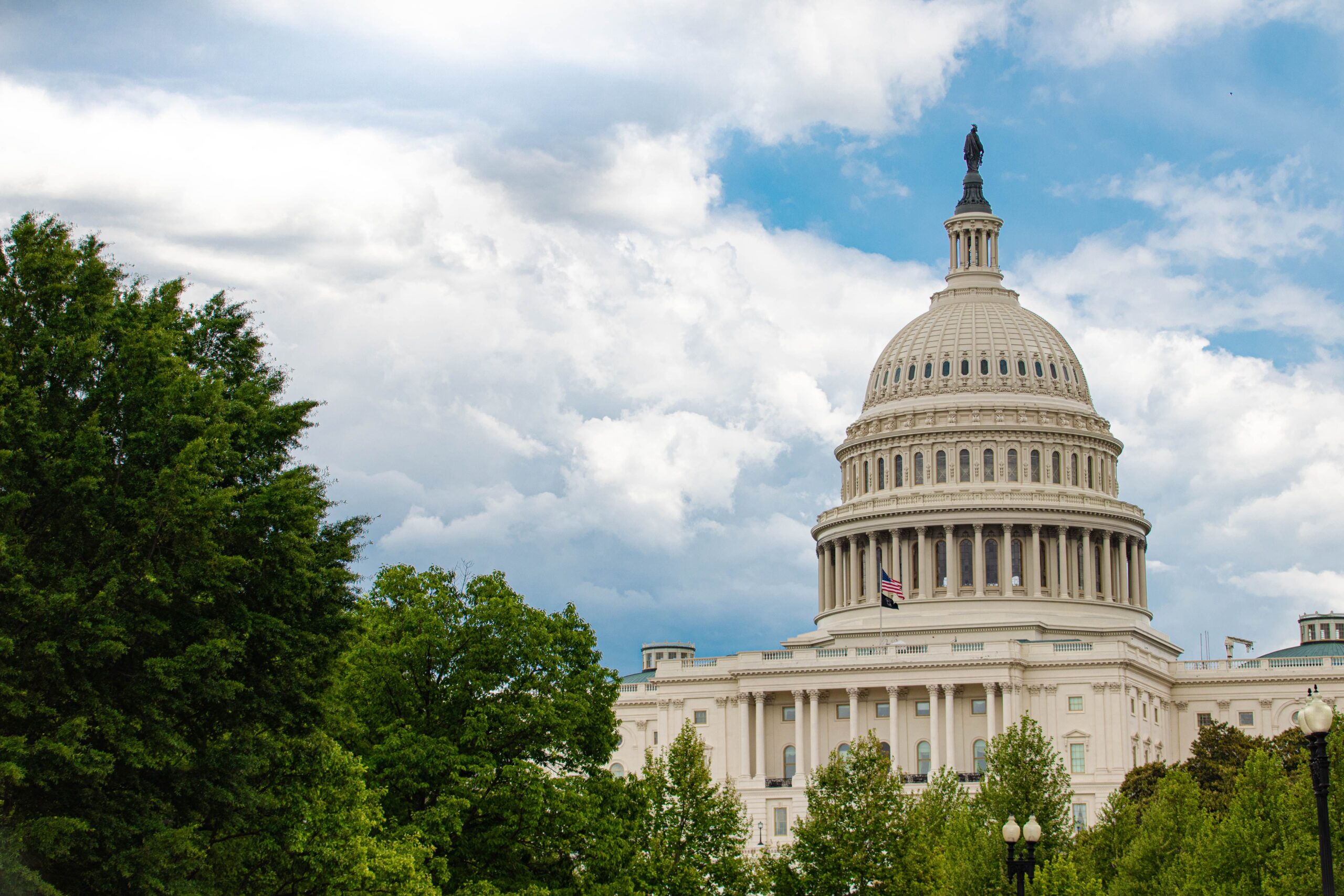
The dynamic between the departing administration and the incoming congressional leadership sets the stage for a contentious winter. The resignation of Dhillon and the public disputes between Vance and Hegseth illustrate the fragility of the current political coalition. Meanwhile, the Democratic Party’s preparation for investigations indicates a shift from defensive campaigning to active governance and oversight. The political significance of these developments lies in the potential for a more confrontational relationship between the executive and legislative branches, with the new congressional majority seeking to hold the administration accountable for policies that contributed to its electoral defeat.
As the new Congress prepares to be sworn in, the focus will turn to the specific mechanisms of these investigations and the administration’s response to increased scrutiny. The next political development will likely involve the formal initiation of oversight hearings, testing the limits of executive power and the resolve of the new legislative leadership.