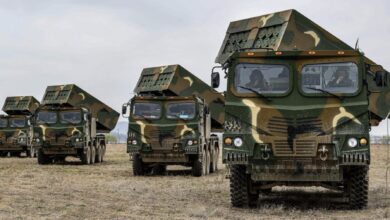
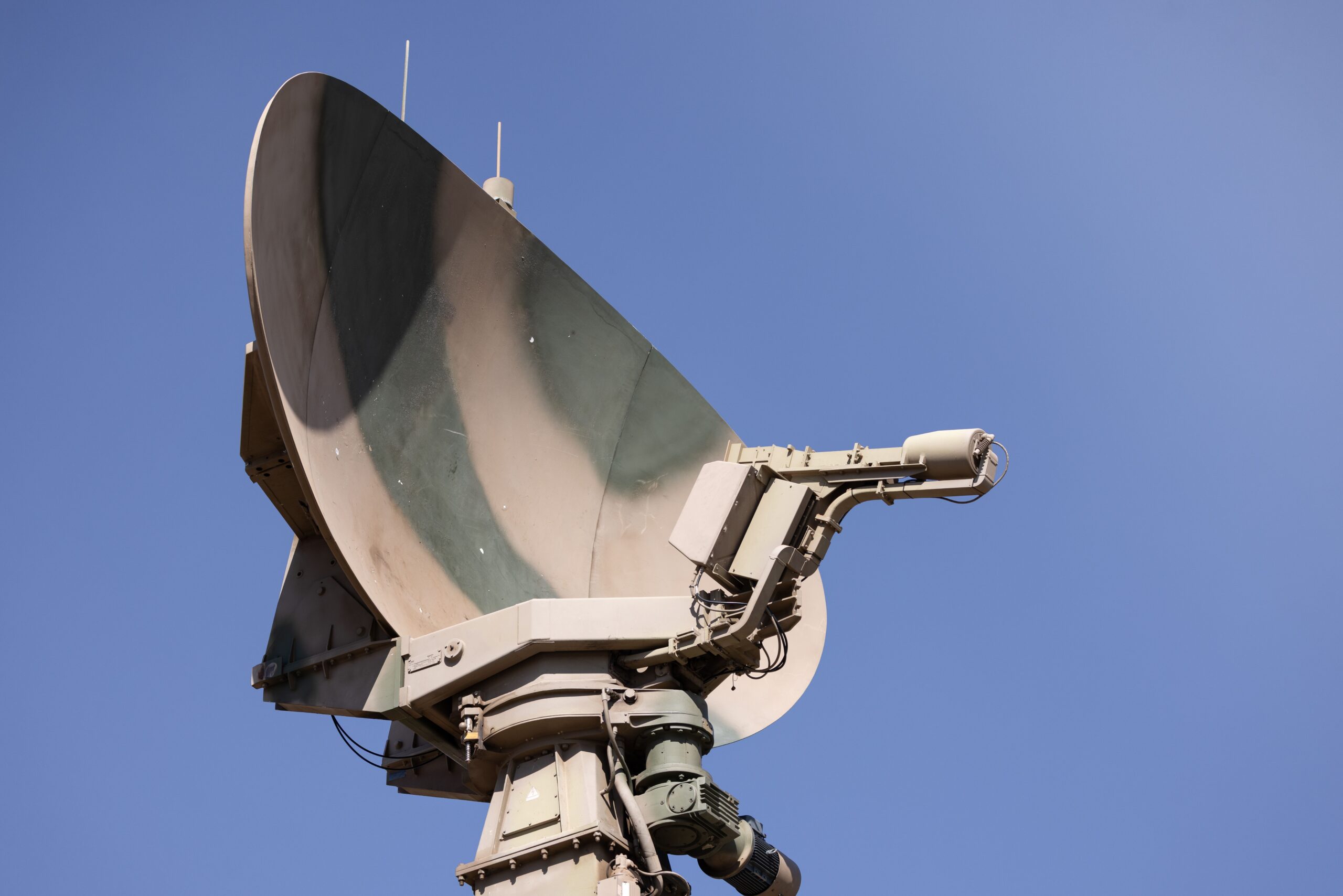
A U.S. official, speaking on condition of anonymity because they were not authorized to comment publicly, stated that the strikes targeted Iranian forces using surface-to-air missiles against the United States in the strait. The operation appears to be a defensive measure to secure the waterway, through which about 20 percent of the world’s oil supply flowed during peacetime. The strikes came as Iran announced a two-day plan to reopen the critical waterway and resume nuclear talks with the United States.
The timing of the strikes, on the eve of crucial U.S. midterm elections, contrasts with previous statements by President Donald Trump that the U.S. would not launch strikes on Iran before the vote. The ongoing conflict has impacted U.S. gasoline prices and the broader economy, a vulnerability for the Republican Party seeking to maintain control of Congress. Vice President JD Vance told reporters on Monday that he and President Trump “both feel pretty good about the prospects for potentially coming to a negotiated settlement.”
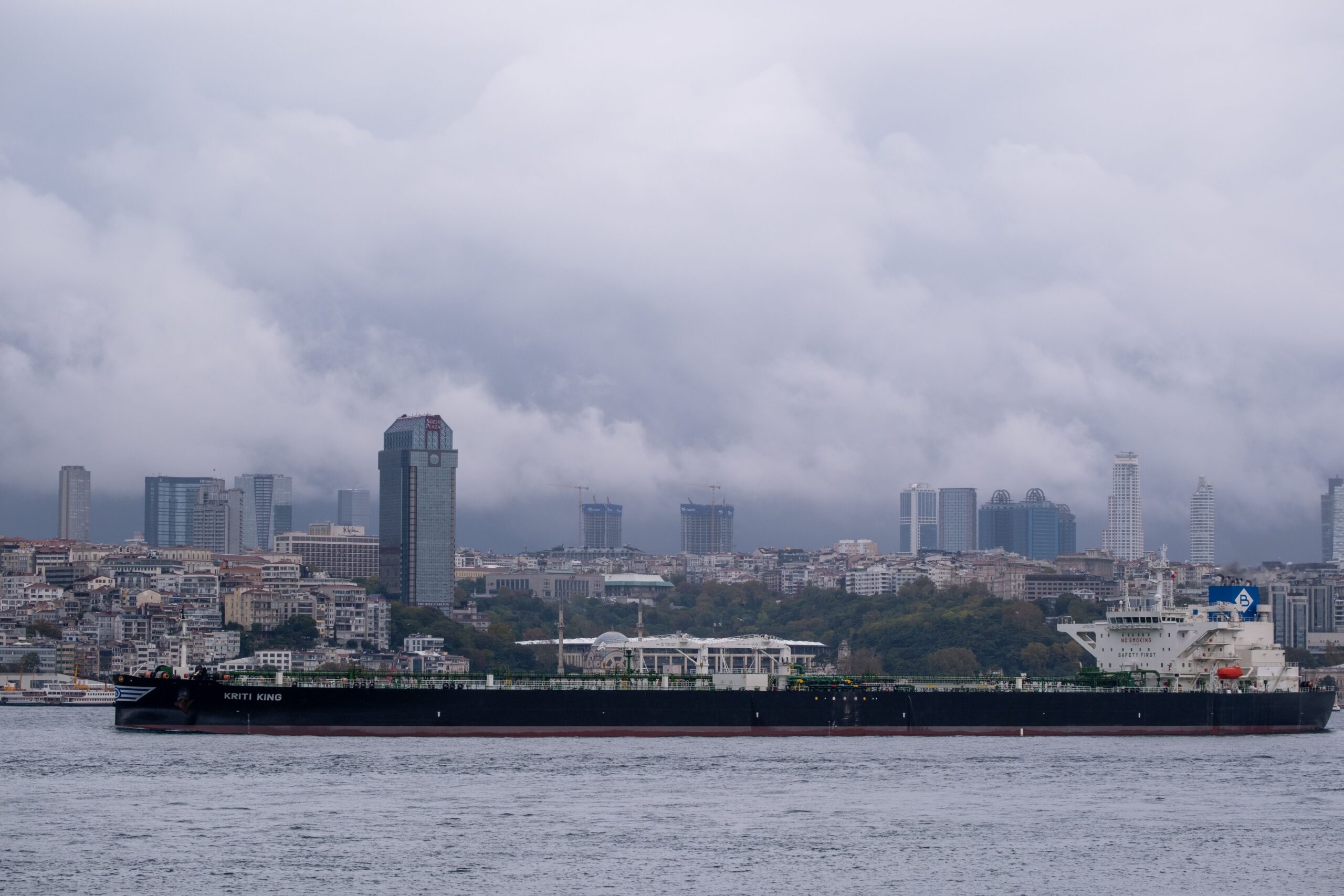
Thousands of U.S. troops remain deployed in the waters off Iran to maintain a naval blockade aimed at preventing tankers carrying Iranian oil from reaching the global market. An additional aircraft carrier and thousands of troops are en route to the Middle East. The last known U.S. attacks against Iran were carried out in early September.
Diplomatic back-channels have been active, with mediators trying to advance a framework for Iran to cease attacks in the Strait of Hormuz in exchange for the U.S. lifting its blockade on Iranian ports. Two regional officials and a third person familiar with the matter said Israeli Prime Minister Benjamin Netanyahu has pushed for another wave of strikes on Iran after the U.S. elections. A return to full-scale war could assist Netanyahu in forming an emergency government after he and his far-right allies lost their parliamentary majority in last week’s elections.
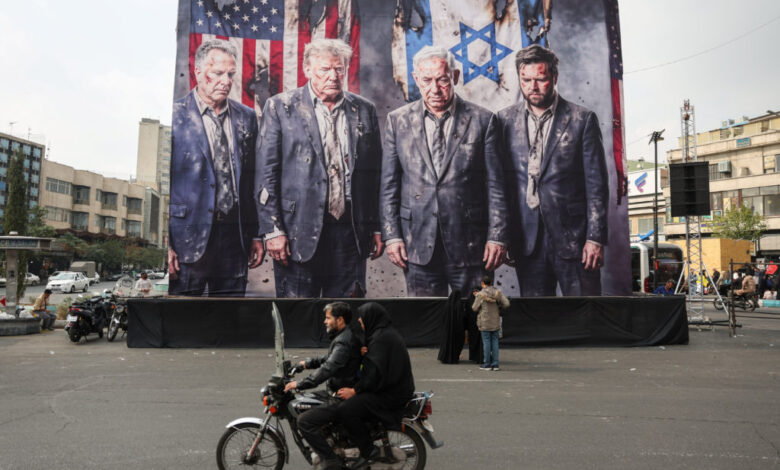
In Tehran, Iranian authorities announced plans to train one million paramilitary volunteers nationwide amid fears of renewed conflict. Iran opened a third military training center for the Basij, a paramilitary force affiliated with the Revolutionary Guard, on Monday. Ali Kowsari, the Basij’s deputy head for training, said 1,500 training bases would begin operations in all cities and towns. Iranian parliament speaker Mohammad Bagher Qalibaf stated on Tuesday that Iran had delivered a “firm and rational response” to the U.S., warning that its armed forces remain at the highest level of defensive readiness.
More talks between the U.S. and Iran are planned for this week. The U.S. official confirmed the strikes but did not provide further details on specific equipment destroyed or casualties, which have not been independently verified.