
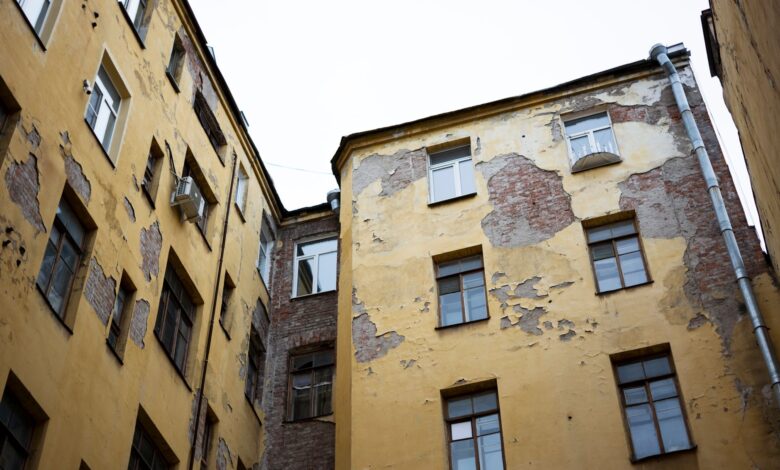
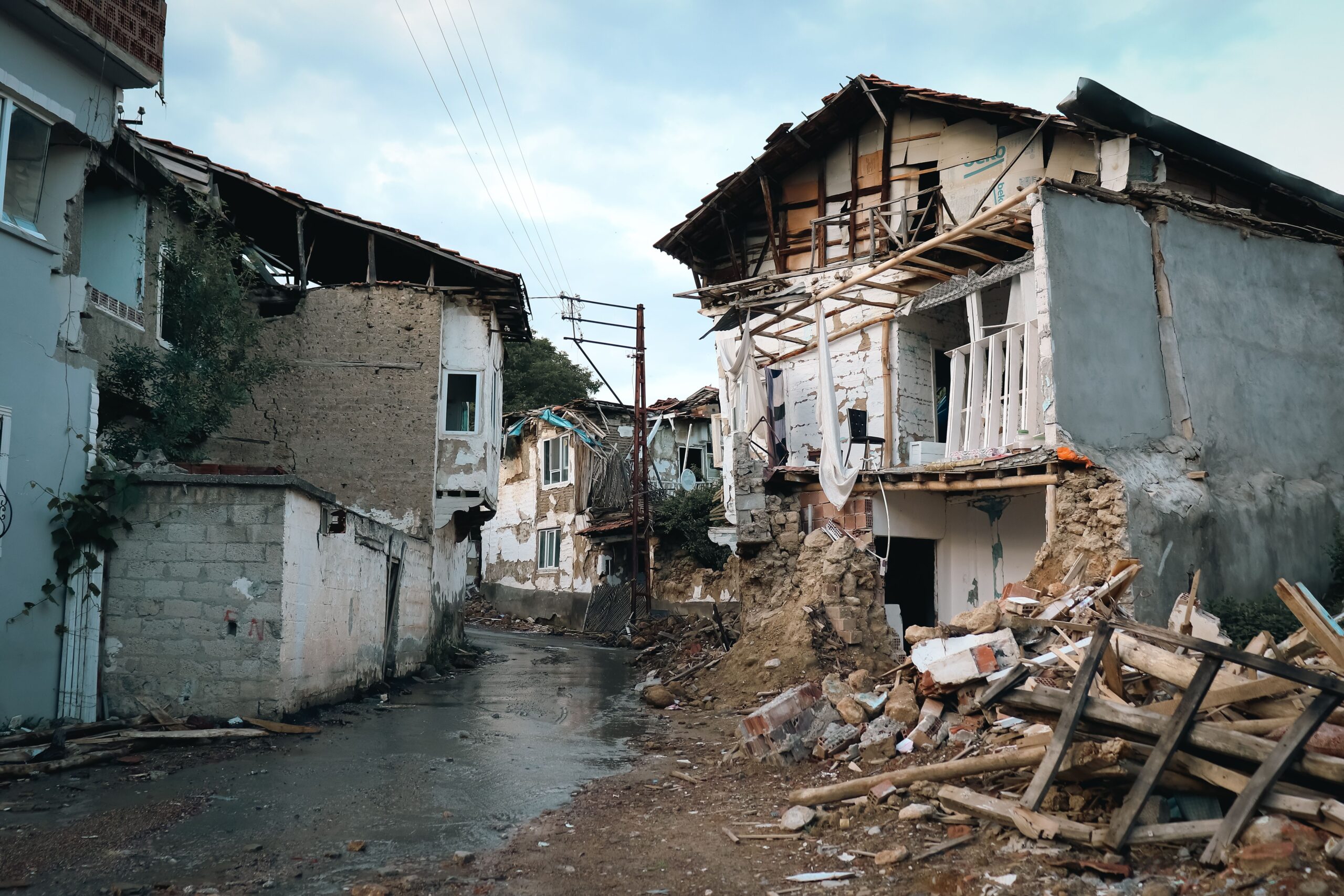
The danger is not hypothetical. In 1977, a major earthquake killed more than 1,500 people, injured over 10,000, and brought down 32 buildings in under a minute. Experts warn that another such event is inevitable, and the damage could exceed previous disasters due to decades of structural decay. This precarious situation has created a specific crisis in the city’s hospitality sector: a thriving market for short-term rentals in buildings that are legally prohibited from hosting guests due to their seismic instability.
Analysis by Re:Rise, a Romanian organization dedicated to seismic risk reduction, identified at least 207 illegal tourist rental properties on major booking platforms at the end of May. These listings, found on both Airbnb and Booking.com, had a combined capacity to host more than 1,000 visitors per night. All were located in buildings classified as RS1, the highest level of seismic risk. In 2024, Romania outlawed short- and long-term rentals in such structures, with violations carrying fines between €1,000 and €2,000. Despite this, 116 properties were listed on Booking.com, 47 on Airbnb, and 44 on both platforms.
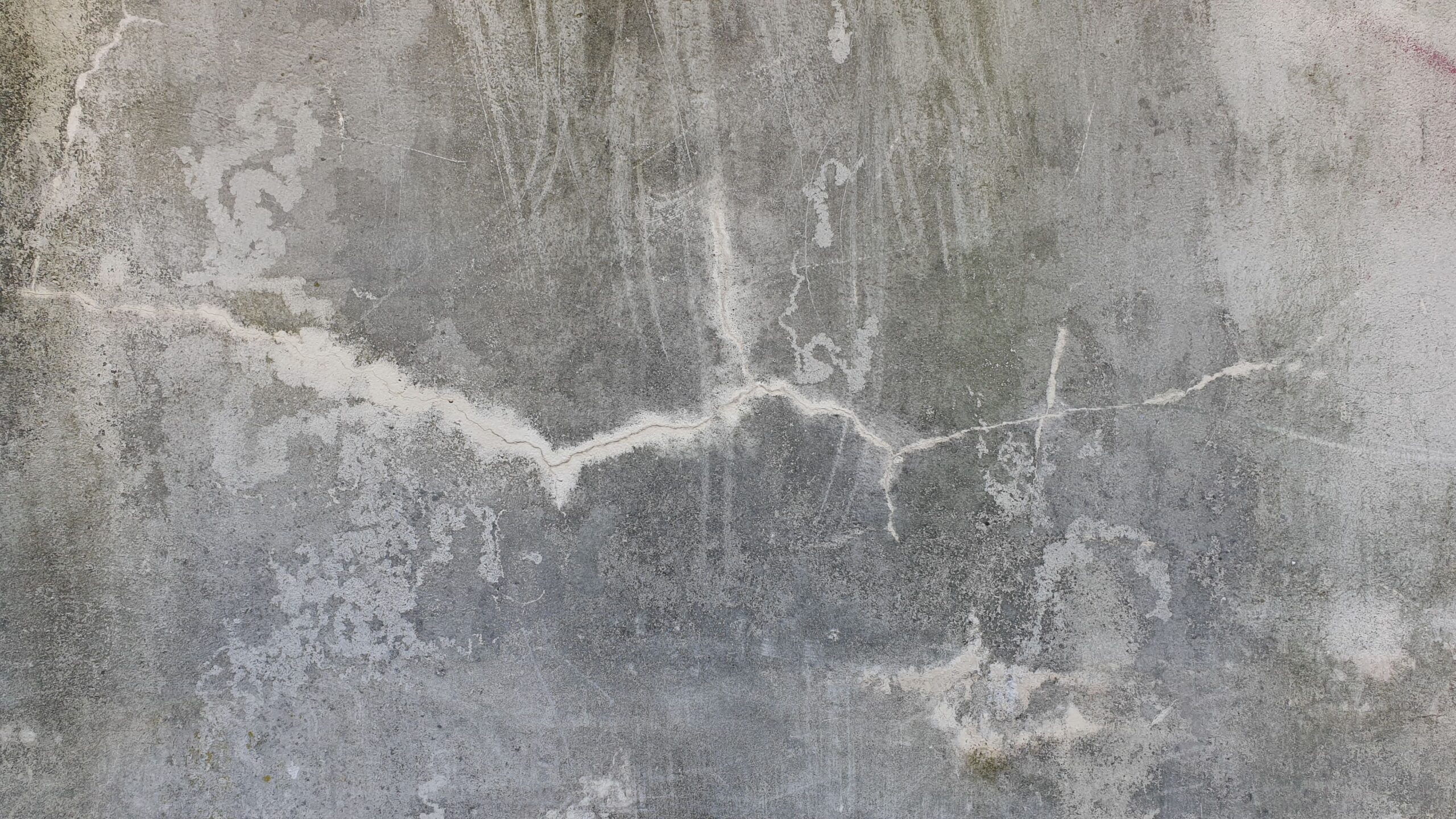
The disconnect between legal safety standards and the tourism experience is stark. Neither major booking platform requires hosts to declare whether their properties are structurally sound. Matei Sumbasacu, a structural engineer and founder of Re:Rise, noted that the organization attempted to alert the platforms to the issue, but was told it was the responsibility of the owners, not the platforms, to ensure compliance. For tourists, the risks are rarely made clear before they book. Ana Todor, who booked two stays in RS1 buildings in 2025, described the experience as unsettling. “The building looked terrible from the outside and didn’t give me a good feeling,” she said. She noted that descriptions on the platforms often downplay the danger, comparing them to a “Hello Kitty plaster on a deep crack.”
One specific listing highlighted in the analysis was a two-bedroom “designer condo” in University Square, central Bucharest, charging approximately €100 a night. A review from a family who stayed there in October described the building as “old and appears sketchy from the outside.” Another host on Airbnb, designated as a superhost, maintained at least six listings in RS1 buildings, including a flat in Roman Square described as a blend of “classic charm with modern comfort.”
Bucharest is not an isolated case; it is part of a broader European challenge. From Naples to Athens, the continent sits on active fault lines, with high population density and ageing buildings creating significant vulnerability. In July, a 4.7-magnitude earthquake near Naples damaged homes and injured around twenty people, while earlier tremors in Spain revived memories of the 2011 Lorca earthquake, which caused €462 million in damages. Juan Vicente Cantavella, director of the National Seismic Network at Spain’s National Geographic Institute, stated that parts of Europe face seismic risks comparable to or greater than those in northern Venezuela.
Italy, situated on the boundary between the Eurasian and African tectonic plates, illustrates the complexity of the problem. Following the 2016 Amatrice earthquake, which killed nearly 300 people, the government launched the Casa Italia program to retrofit the building stock. However, with an estimated 70 percent of Italian buildings previously failing to meet earthquake-resistance standards, the scale of the task is immense. Dr. Carmine Galasso, a professor of seismic engineering at University College London, describes Italy as having “medium-high seismic hazard, very high vulnerability and extremely high exposure.”
In Bucharest, the challenge is compounded by the fact that only a fraction of the housing stock has been formally assessed for risk. Experts believe the true scale of unsafe accommodation is likely greater than the 207 identified properties. As the city prepares for the next inevitable tremor, the gap between regulatory intent and platform enforcement remains a critical vulnerability, leaving both residents and tourists in structures that may not withstand the next shock.