
Infrastructure Vulnerability in Remote Regions
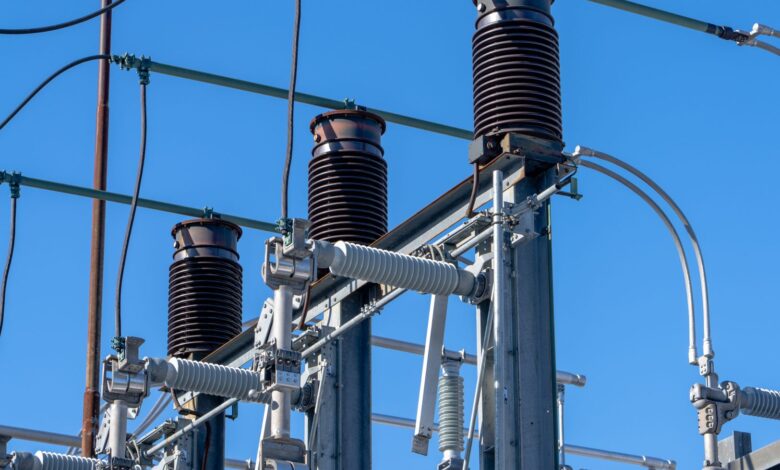
The immediate cause of the disruption, as identified by emergency officials, was a specific hardware failure within the electrical grid infrastructure. In many parts of the Far East, water distribution systems are heavily dependent on a stable and uninterrupted power supply. Pumps that move water from sources to treatment plants and onward to residential networks require consistent electricity. When the substation failed, the electrical supply to these critical pumps was severed, effectively halting the flow of water to households and public institutions across the affected area.
This incident reveals a broader pattern of dependency in remote Russian territories. The Far East is characterized by sparse population density, vast distances between settlements, and challenging climatic conditions. In such environments, infrastructure is often designed for efficiency in normal operations but can lack the redundancy found in more densely populated urban centers in European Russia. A single point of failure, such as a substation malfunction, can therefore have disproportionately large consequences, affecting hundreds of thousands of residents simultaneously.
Human and Ecological Impact
While the source material does not detail specific ecological impacts, the immediate human consequence is clear: over 500,000 individuals have been left without a basic necessity. This scale of disruption affects daily life, sanitation, and public health. For these communities, the loss of running water means a temporary shift to alternative sourcing methods, which may include bottled water distributions or tanker trucks, depending on the logistics managed by local authorities.
The incident also serves as a stark reminder of the intersection between energy reliability and water security. In the context of climate and environment, the stability of utility infrastructure is increasingly under pressure. While this specific outage was attributed to equipment failure rather than extreme weather, the resilience of such infrastructure is a key component of environmental and public health planning. Aging equipment, if not properly maintained or upgraded, poses a risk of unplanned outages that can strain community resources and emergency services.
Response and Recovery
Emergency officials have confirmed the cause of the outage, signaling that repair efforts are likely underway. The speed of recovery in such regions can be slow due to logistical challenges, including the distance to spare parts and specialized technical teams. The focus now shifts to restoring power to the substation and subsequently to the water pumps, a process that must be managed carefully to avoid further damage to the electrical and hydraulic systems.
This event, while isolated in its immediate cause, highlights the importance of robust infrastructure maintenance and redundancy planning in remote areas. As climate variability continues to stress energy and water systems globally, ensuring that local utilities can withstand technical failures and environmental stresses is a critical aspect of sustainable regional development. The next verified development will be the restoration of power and water services to the affected population, which will determine the duration of the disruption and the effectiveness of local emergency response protocols.
For the residents of the Far East, the return of water to their taps will mark the end of this acute crisis, but the incident leaves a lasting record of the vulnerabilities inherent in the region’s utility networks. The repair of the substation equipment is the immediate priority, but the long-term implication is a renewed focus on the reliability of the systems that support daily life in one of Russia’s most geographically challenging regions.