
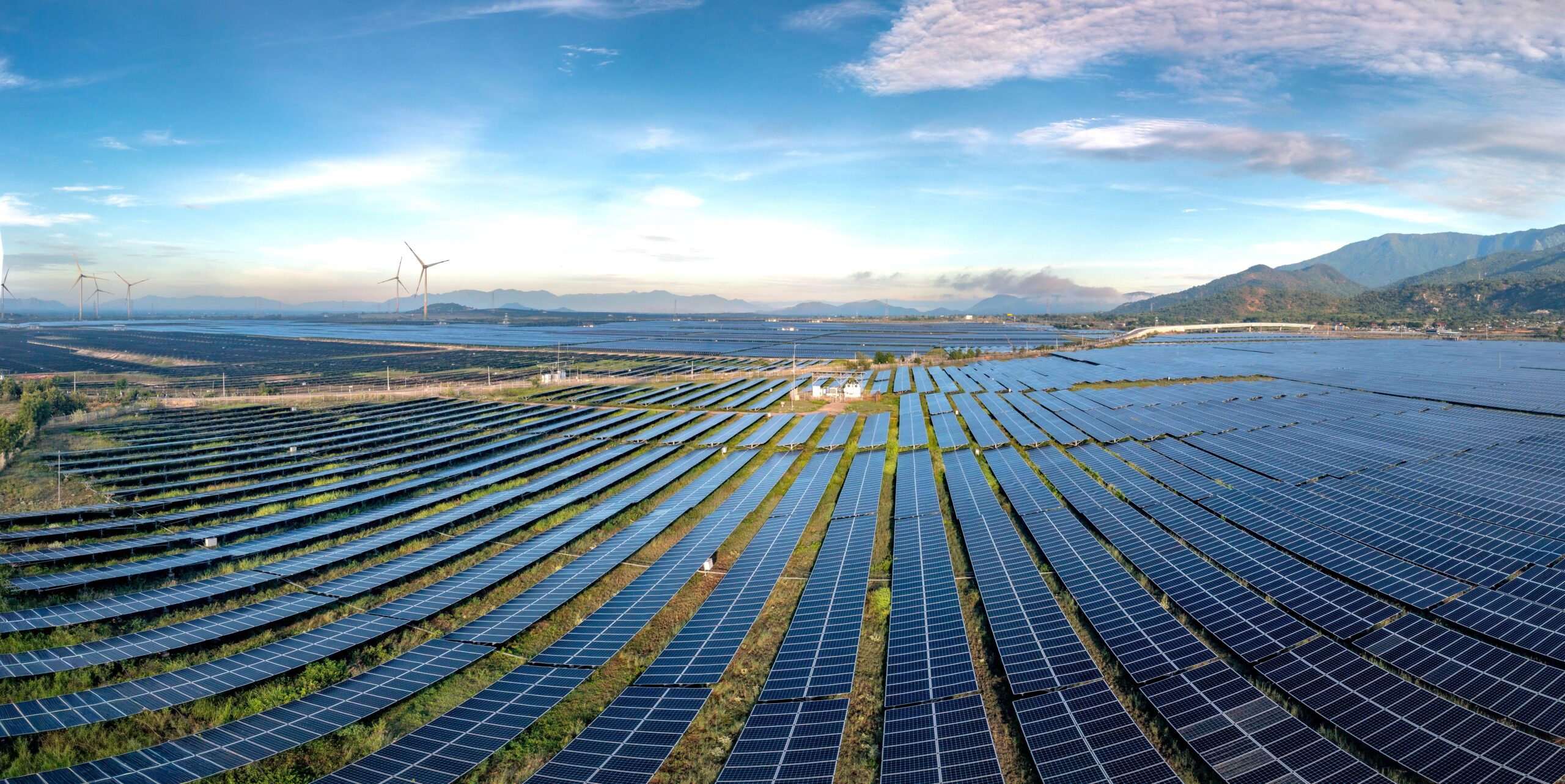
Olivier de Bourbon de Parme, Director of the Environment Directorate at the Organisation for Economic Co-operation and Development (OECD), stated that the fragility of conventional energy supplies, highlighted by recent developments in the Middle East, has accelerated the global pivot toward renewables. “Energy security is the main reason for the growing interest in clean energy,” de Bourbon de Parme told Anadolu Agency. He noted that while financial gains are a secondary benefit, the resilience of the grid is the primary driver. Countries with robust renewable infrastructure are currently benefiting from lower energy costs, a stability that traditional fossil fuel markets struggle to match in the current geopolitical climate.
The director emphasized that renewable energy projects offer distinct logistical advantages over traditional infrastructure. “A natural gas plant can take years to build, whereas solar facilities can be set up much faster,” he explained. This rapid deployment capability is crucial for nations seeking to stabilize their energy grids. De Bourbon de Parme expressed optimism regarding the summit’s agenda, particularly the goal of increasing electricity’s share of global energy consumption to 35% by 2035. “This will be a great hope that governments can set common goals in the future,” he said, underscoring the potential for renewed multilateral cooperation.
However, the summit is not without its contradictions regarding the environmental footprint of the event itself. According to Oxfam, at least 93 private jets have landed in Antalya since the summit began. The organization calculated that these flights emitted the equivalent of the fuel used for three circumnavigations of the globe. This disparity between the global travel required for high-level diplomacy and the local environmental impact serves as a stark reminder of the challenges in aligning international policy with immediate emission reductions.
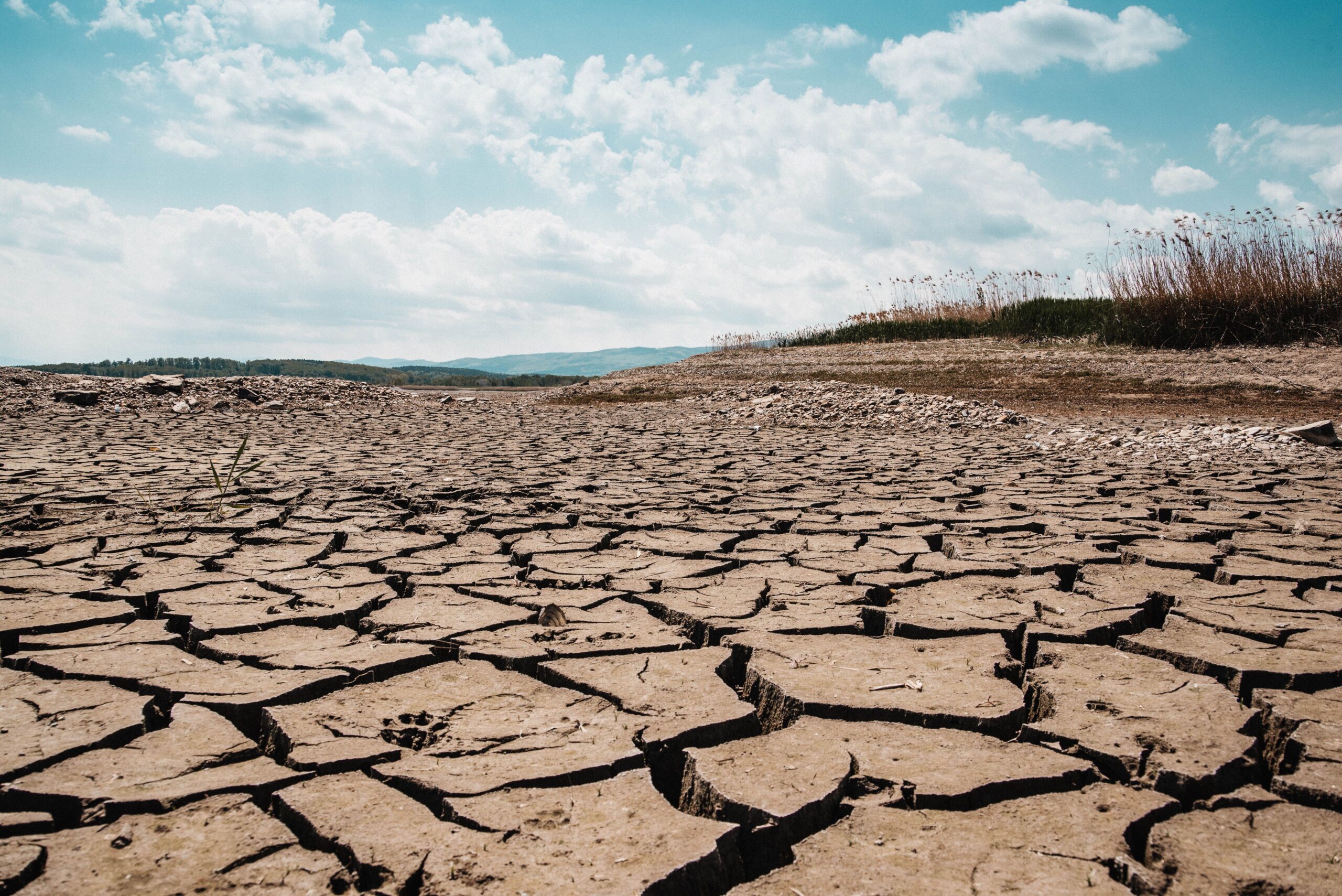
Beyond the immediate politics of energy, the scientific underpinnings of climate adaptation are undergoing significant revision. A new study published in Nature, coauthored by members of the International Union for Conservation of Nature (IUCN) Species Survival Commission, challenges the methodology used to predict biodiversity loss. Conventional forecasts rely on long-term averages of temperature and rainfall, which often fail to capture the lethal impact of extreme events such as severe droughts.
By combining global projections of severe drought with nearly 650,000 occurrence records from biodiversity databases and the iNaturalist platform, researchers modeled the future distributions of 993 cactus species. The findings indicate that for 91% of these species, models incorporating severe drought provided a more accurate prediction of survival than those based on climate averages alone. The study concludes that over 25% of the analyzed cactus species could lose at least 80% of their suitable habitat by 2100. These projected declines are particularly severe in biodiversity hotspots such as Chile, Peru, and northeastern Brazil, where losses could exceed 25% of current cactus richness.
The lead researchers warn that the inherent adaptations of cacti to arid conditions may be insufficient in a future characterized by longer and more intense droughts. “Our findings indicate that the adaptations of cacti to drought may not be sufficient in a future with longer and more intense droughts,” the study states. Given the diversity of cacti, the authors suggest these results may generalize to many other plant groups, implying that current extinction risk assessments on the IUCN Red List may be underestimating the threat posed by climate extremes.
These scientific warnings align with broader environmental assessments released by the European Environment Agency (EEA), which highlights the pressure on Europe’s landscapes from human development and pollution. Using data from the Copernicus Land Monitoring Service, the EEA notes that farmland remains the largest land cover in Europe, leaving limited space for wild nature. The agency argues that creating more space for resilient ecosystems is a critical component of reducing climate change impacts, a strategy that requires integrating extreme weather resilience into land-use planning.
As COP31 progresses, the challenge for policymakers is to bridge the gap between the urgent need for rapid renewable deployment and the complex, often non-linear impacts of climate change on global ecosystems. The convergence of energy security imperatives and updated biodiversity risk models suggests that a one-size-fits-all approach to climate targets is no longer viable. Instead, the coming years may see a greater emphasis on localized resilience and the integration of extreme weather data into global conservation and energy planning.