
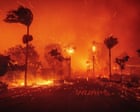
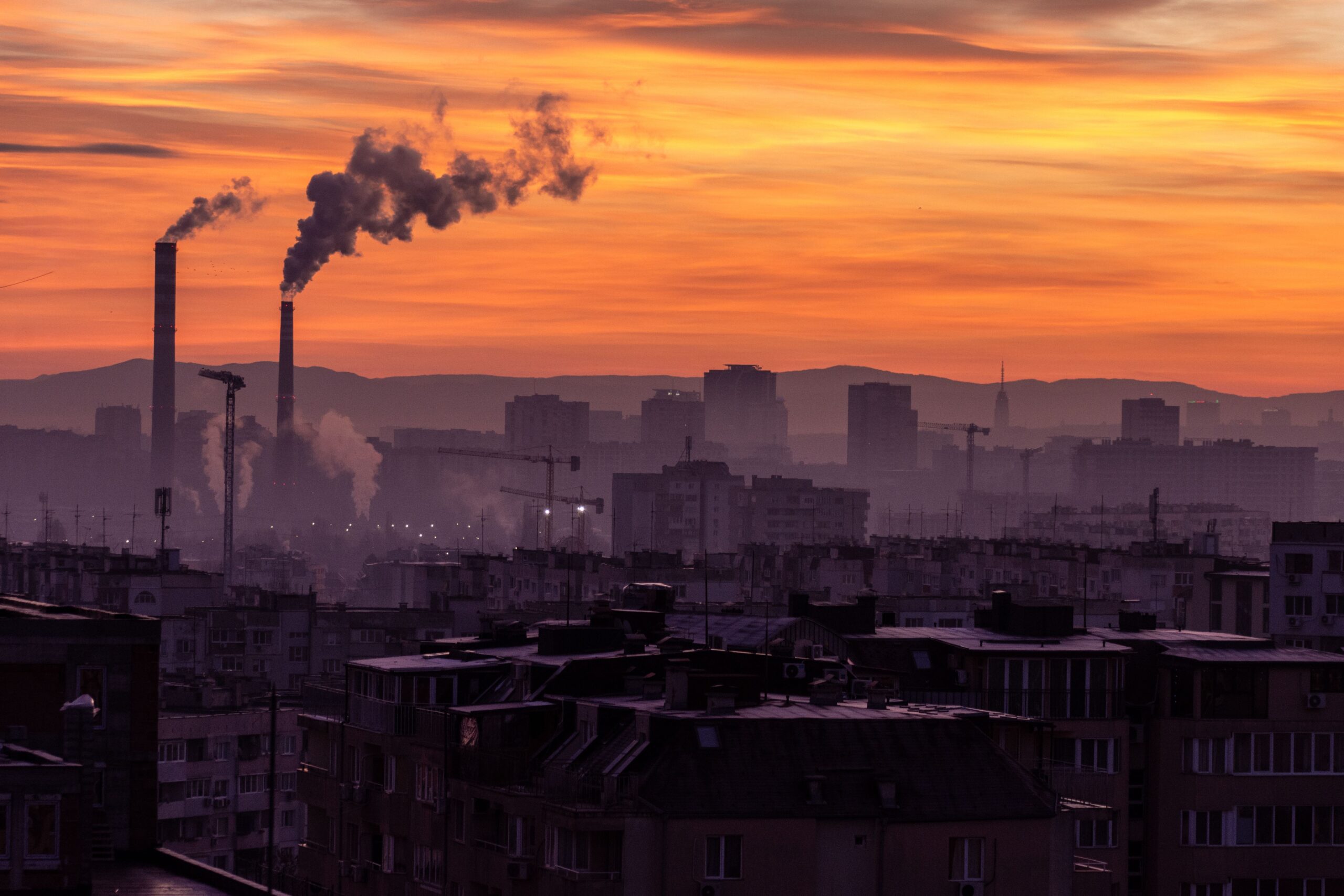
According to a new report by the Climate Action Tracker (CAT), a non-profit organization that tracks national climate pledges, the planet is projected to heat up by an average of 2.7°C above pre-industrial levels by the end of the century under current policies. This figure represents a slight increase from the group’s previous estimate of 2.6°C, signaling a failure to accelerate emissions reductions. The projection significantly exceeds the 1.5°C limit agreed upon in the Paris Agreement, a threshold scientists warn is critical for preventing catastrophic and potentially irreversible climate impacts.
Bill Hare, chief executive of Climate Analytics, a partner organization to CAT, emphasized the gravity of the situation. “The stark choice for governments is to either continue to support the fossil fuel industry, which would consign humanity to insurmountable economic damages, rising mortality from heat and climate-driven diseases and disasters that they are unable to adapt to – or pivot to the solutions which are available and cheaper than ever,” Hare stated. He cautioned that while exceeding the 1.5°C target is a severe setback, it should not invite defeatism, as every incremental reduction in warming remains significant.
Despite these warnings, observers note that the summit in Antalya has become as much a networking opportunity as a climate forum. With 37 heads of state, 35 heads of government, and eight vice presidents attending, Turkish President Recep Tayyip Erdogan has used the gathering to showcase Turkey’s diplomatic influence. Leaders have engaged in bilateral meetings addressing conflicts such as the war in Ukraine and tensions in the Middle East, with Syrian President Ahmed al-Sharaa’s attendance marking a significant diplomatic re-engagement for the country. Critics argue that this focus on informal diplomacy risks diluting the urgency of the climate agenda, particularly as the United States is notably absent from the talks.
For the developing nations most vulnerable to climate change, the primary concern at COP31 is not just the temperature projections, but the accessibility of the financial resources required to adapt. Wayne King, the Climate Change Director of the Cook Islands, highlighted a critical gap between political commitments and operational reality. While developed nations agreed to provide a Collective Quantitative Goal (CQG) of at least $300 billion annually by 2035 to support climate action in developing countries, King stressed that the mechanism for delivering these funds is inadequate.
“The real issue is reaching an agreement that will allow us to move forward within the framework of the so-called Collective Quantitative Goal,” King said. He noted that the previous target of $100 billion annually was only recently met, and the new $300 billion commitment faces similar implementation hurdles. King pointed out that administrative and technical barriers often prevent vulnerable nations from accessing these funds. For the Cook Islands, simply learning the necessary procedures for applying to climate funds took two years, and successful project submissions require significant expertise and institutional capacity that many small island states lack.
Similar frustrations were expressed by Nepal’s Foreign Minister, Pradeep Kumar Khanal, who attended the Leaders’ Summit in Antalya. Nepal recently suffered severe flooding in August, with a 5.2-magnitude seismic event triggering a glacial collapse in the Rasuwa district, destroying bridges and roads. While Nepal welcomed the allocation of a temporary fund following the disaster, Khanal criticized the timeline. “The decision was made two months after the disaster, and many procedures still need to be completed for Nepal to receive the fund,” Khanal said. He described the delays as unjustified, arguing that communities affected by climate disasters cannot be left waiting for bureaucratic approvals while they face immediate reconstruction needs.
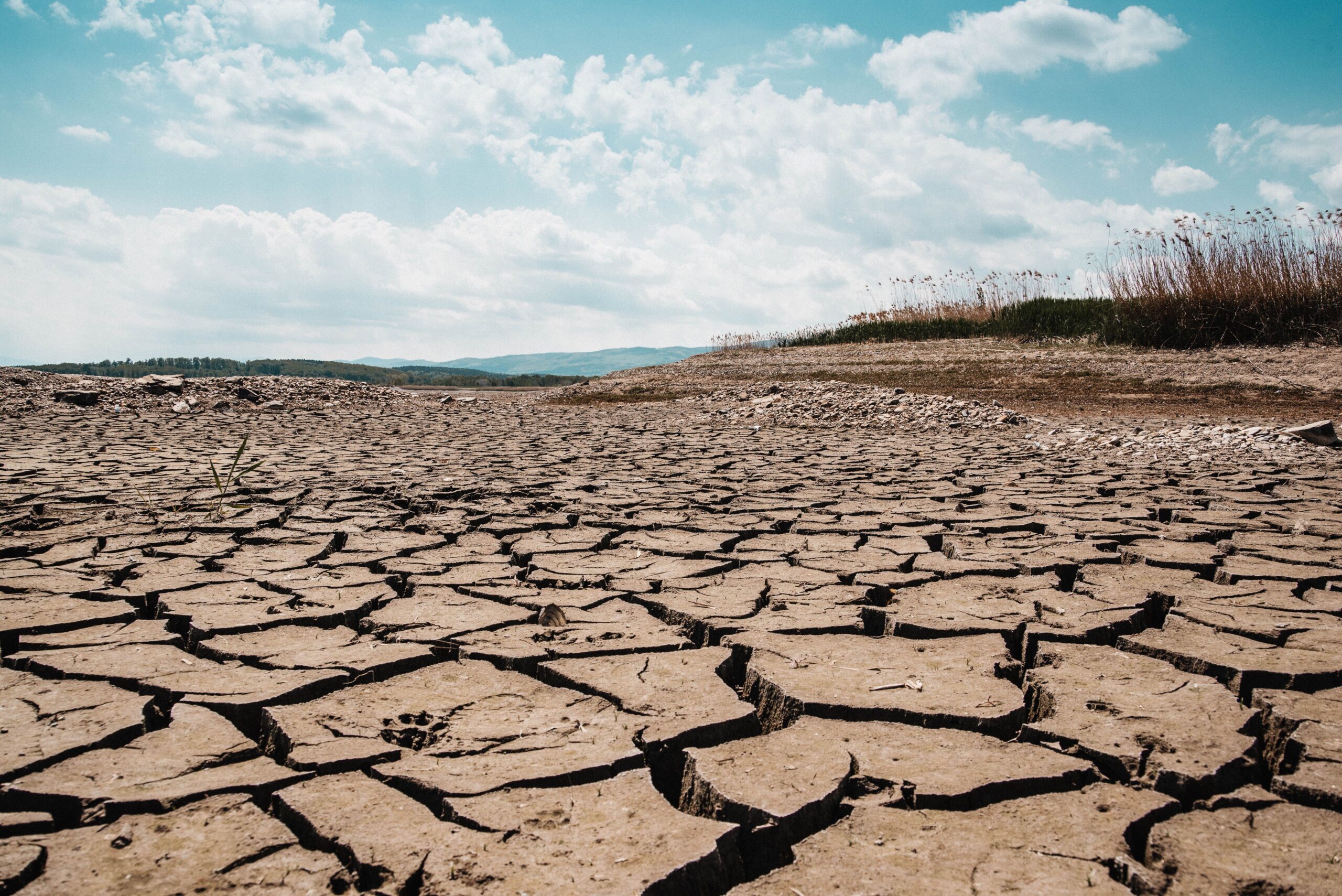
Nepal estimates it requires approximately $5 billion for reconstruction following the August floods, with additional funds needed for future resilience. Khanal urged for financial mechanisms that can provide aid immediately after a disaster, rather than subjecting affected populations to lengthy approval processes. He also called for greater technical support and recognition for mountainous regions, which face heightened risks from glacial melt and extreme weather events.
The divergence between the scientific urgency outlined by the CAT report and the diplomatic realities of COP31 highlights a critical challenge for the global climate regime. While the 2.7°C projection serves as a clear indicator of the consequences of inaction, the conference must move beyond symbolic gestures to address the structural inefficiencies in climate finance. As UN Secretary-General António Guterres has urged, the looming overshoot of temperature targets must compel governments to act decisively to phase out fossil fuels. However, for the nations on the front lines of climate impacts, the priority remains the creation of a clear, operational roadmap for climate finance that delivers resources with the speed and scale required to prevent further loss of life and livelihoods.



One Comment