


In the Friuli Venezia Giulia region of northeastern Italy, the impact was severe. An 83-year-old woman died in Latisana after becoming trapped in her car in a flooded underpass. A Carabinieri officer entered the water to rescue her, removing her from the vehicle, but she succumbed to her injuries despite the intervention. The officer was later hospitalized. Regional meteorological data confirmed the extreme nature of the downpour, with 24-hour rainfall totals reaching 203 mm (8 inches) in nearby Lignano Sabbiadoro and 177 mm (6.97 inches) in Latisana. In Lignano Sabbiadoro alone, 135.4 mm (5.33 inches) of rain fell during the first three hours, a volume that overwhelmed local drainage systems and led to submerged roads and underpasses in Latisana, San Giorgio di Nogaro, and Torviscosa.
A second fatality occurred in Sinalunga, in Siena Province, on September 10. Mayor Edo Zacchei confirmed the death of a woman, approximately 80 years old, who was struck by a fragment of shattered window glass during a strong wind gust. As she attempted to close the window, the glass broke, and a fragment severed the saphenous vein in her leg, leading to fatal blood loss. This incident highlights the direct physical dangers posed by high-velocity winds accompanying such storm systems, distinct from the flooding risks.
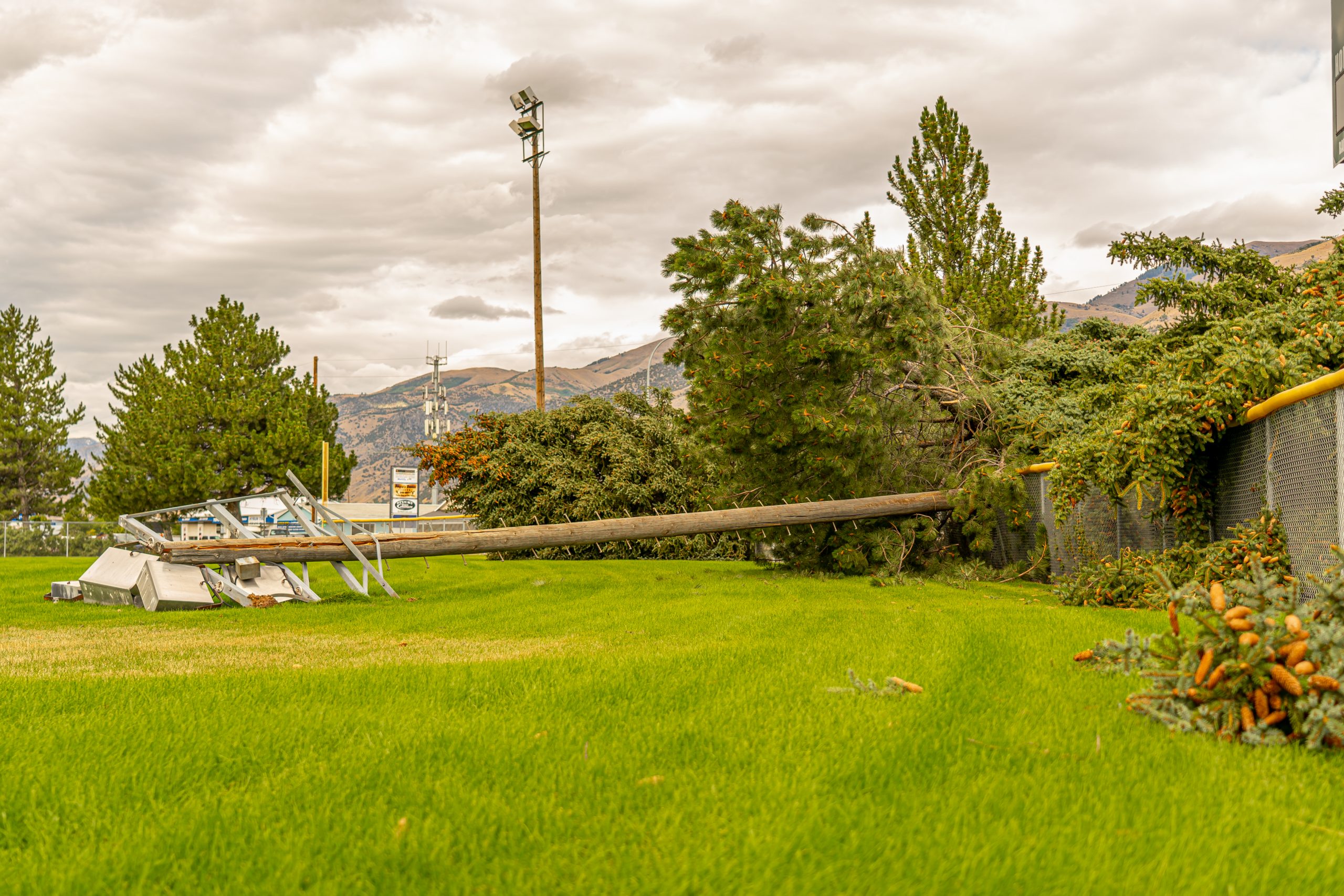
Beyond immediate fatalities, the storms caused significant disruption to transport and daily life. Rail operations between Portogruaro and Trieste were heavily disrupted due to lightning strikes, torrential rain, and infrastructure faults. Replacement buses were deployed at key stations, with delays reaching approximately one hour. In the Lombardy region, the Scaiun landslide in Val Masino moved significant quantities of debris, rock, and broken trees downslope during the night of September 9–10, prompting the evacuation of 45 people from their homes in Cataeggio. Schools in the area were closed while authorities assessed the slope for further movement. Flooding also affected the Spedali Civili hospital in Brescia, where water entered the cardiac intensive care unit, necessitating the precautionary relocation of two patients. In Milan, the Lambro River overflowed its banks, temporarily flooding streets, while in Vimodrone, several cars were trapped in an underpass, requiring firefighter intervention.
The weather system extended beyond Italy’s borders. In Slovenia, the Environment Agency (ARSO) reported nearly 65 mm (2.6 inches) of rain falling between 09:00 and 11:00 local time along the coast. Water flooded buildings and businesses in Piran, including Tartini Square. At the Port of Koper, strong winds overturned containers, prompting temporary restrictions on truck access to the container terminal. Around 60 firefighters and 14 vehicles were deployed along the coast to remove fallen trees and pump water from affected structures.
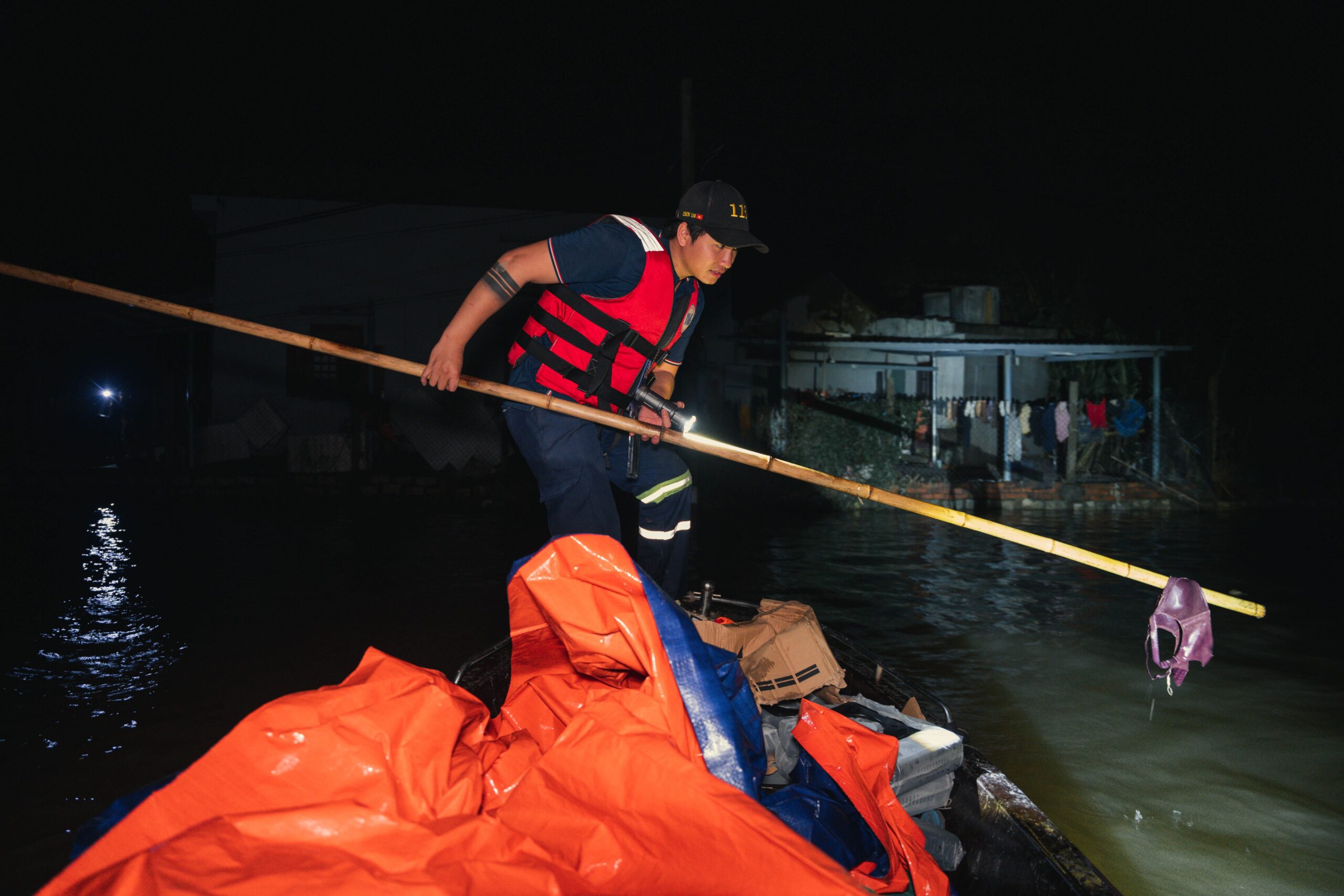
In Croatia, the City of Rijeka experienced intense short-duration rainfall on September 9, producing strong flash runoff. On Vukovarska Street, runoff entered a construction area, washing stone material onto lower sections of the road before contractor crews secured the site. The Croatian Hydrometeorological Service (DHMZ) had issued warnings for locally severe thunderstorms, gale-force gusts, hail, and heavy short-duration rainfall, citing risks of flash flooding and traffic disruption. Municipal and emergency services were placed on standby ahead of an Orange thunderstorm warning for September 9 and 10.
These events align with broader meteorological patterns observed in the Mediterranean region. Autumn is the peak period for storms in France and the wider Mediterranean, often characterized by what are known as “episod cévenol” or “episod méditerranéen.” These phenomena occur when warm, humid air over the sea collides with cool air over mountain ranges, condensing into clouds that dump heavy rain over small areas. Rising global temperatures are increasing the intensity of these storms, as warmer air holds more moisture, leading to more extreme precipitation events. The sheer volume of rainfall recorded in Friuli Venezia Giulia, exceeding 200 mm in 24 hours, exemplifies this intensification. While the immediate crisis in Italy, Slovenia, and Croatia has been managed with emergency evacuations and infrastructure repairs, the frequency and severity of such events suggest a shifting baseline for autumn weather in the region, posing ongoing challenges for urban planning and emergency preparedness.