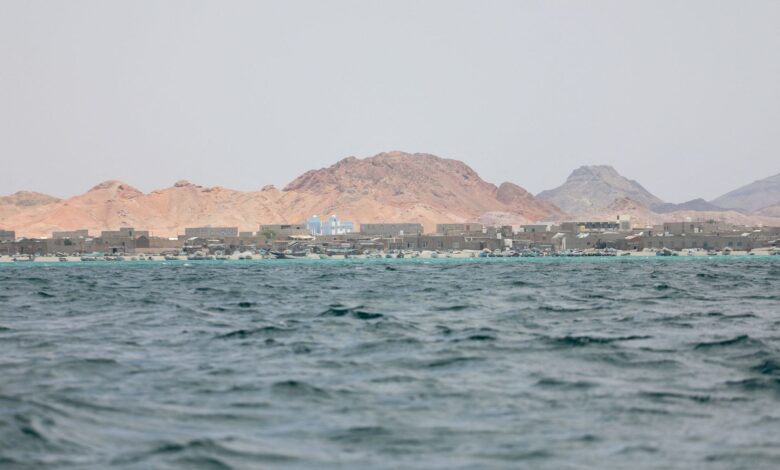
The incident involves a vessel traveling through one of the world’s most heavily trafficked and strategically significant waterways. While the UN agency has provided a specific death toll of 109, the precise circumstances of the capsizing, the total number of individuals on board, and the nationalities of the victims are not detailed in the available official reports. The geographic location of the accident places it in close proximity to the Yemeni coastline, a region frequently associated with maritime humanitarian crises and complex regional security dynamics.
The Bab el-Mandeb Strait serves as a vital artery for global commerce, facilitating the flow of oil, gas, and containerized goods between the Suez Canal and the Indian Ocean. However, for migrants and refugees, the route represents a perilous journey often undertaken in overcrowded or unseaworthy vessels. Maritime authorities and humanitarian organizations have long documented the high mortality rates associated with transits through this area, driven by a combination of harsh weather conditions, lack of navigation equipment, and the absence of rescue infrastructure in remote sections of the waterway.
This latest casualty figure contributes to a growing record of maritime deaths in the Horn of Africa region. The strait’s strategic importance often draws attention to security and trade logistics, yet the human cost of migration routes passing through these waters remains a critical, though often under-reported, environmental and humanitarian concern. The environmental conditions in the region, including seasonal winds and currents, can exacerbate the risks for vessels lacking modern stabilizing technology or proper life-saving equipment.
International bodies have repeatedly called for enhanced search and rescue capabilities in the Gulf of Aden and the Red Sea. The enforcement of maritime safety standards for non-commercial vessels remains a significant challenge, as many actors operating in the region are non-state entities or operate outside the framework of international maritime law. The confirmed death toll of 109 serves as a stark indicator of the failure of current safeguards to protect human life in these waters.
As investigations into the specific mechanical or environmental causes of the capsizing continue, the immediate focus remains on the recovery of bodies and the identification of survivors. The lack of detailed technical data regarding the vessel’s condition prior to the incident limits the ability to determine whether the tragedy was caused by mechanical failure, overloading, or adverse weather patterns. However, the outcome aligns with historical patterns of high-fatality incidents in the region, where the intersection of migration pressures and inadequate maritime safety measures continues to result in significant loss of life.
The event also raises questions about the broader environmental and geopolitical context of the strait. Increased maritime traffic, combined with climate-driven changes in weather patterns along the coast, may be contributing to more frequent or severe incidents. Yet, without specific attribution studies linking this single event to long-term climate trends, the immediate cause remains a matter of ongoing inquiry. The primary concern for international agencies remains the urgent need for coordinated rescue operations and the enforcement of basic safety protocols for all vessels operating in the area.
Until further details emerge regarding the vessel’s origin and the specific conditions at the time of the capsizing, the confirmed death toll stands as a baseline for assessing the scale of the disaster. The incident adds to the cumulative toll of maritime tragedies in the region, highlighting the urgent need for policy interventions that address both the root causes of irregular migration and the immediate safety risks posed by the maritime environment.