The magnitude of the earthquake was significant enough to be detected by media infrastructure, capturing a rare glimpse into the immediacy of the event for a wider audience. During a live sports broadcast, the studio environment became unstable as the tremors hit. Footage from the broadcast shows the studio equipment and surroundings beginning to shake violently. Presenters on air were caught off guard by the sudden movement, reacting visibly as the tremors disrupted the program. This sequence of events highlights the reach of the seismic waves, which were strong enough to be physically perceptible in urban broadcast centers, not just in the immediate epicentral zone.
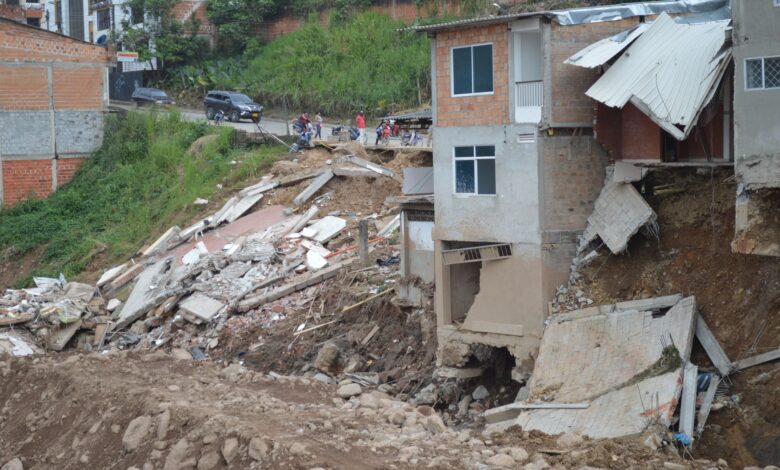
In the city of Penonome, the consequences of the earthquake were tangible and destructive. Visual evidence from the scene depicts buildings that have suffered severe damage, with structural integrity compromised to the point of visible collapse or heavy cracking. The impact on local infrastructure extended to vehicles, with reports of cars being crushed under the weight of falling debris or structural components. The footage provides a stark illustration of the destructive force of the 7.7-magnitude event, showing the rapid transition from a functioning urban environment to one of significant physical disruption.
The timing of the earthquake, occurring during a live television broadcast, offered an unfiltered view of the public’s reaction to the disaster. While the broadcast captured the initial shock and the physical shaking within the studio, the on-the-ground reality in areas like Penonome was marked by the urgent need for evacuation. Shoppers at a local supermarket were seen running for their lives, a frantic movement that underscores the suddenness and fear associated with high-magnitude seismic events in densely populated areas.
The earthquake’s magnitude of 7.7 places it in the category of major earthquakes, which are capable of causing serious damage to poorly built structures and infrastructure over a wide area. The fact that the tremors were strong enough to disrupt a live broadcast suggests that the epicenter was relatively close to urban centers or that the fault rupture was substantial. The immediate aftermath has left a trail of destroyed vehicles and damaged buildings, raising concerns for the safety of residents and the stability of the local infrastructure.
As the initial shock subsides, the focus shifts to the assessment of the damage and the safety of the population. The severity of the structural damage in Penonome indicates that further aftershocks could pose additional risks to already compromised buildings. The incident serves as a reminder of the seismic vulnerability of the region, where tectonic activity can abruptly alter the daily lives of thousands. The captured footage from the broadcast studio and the chaotic scenes in Penonome stand as a testament to the unpredictable and powerful nature of the earthquake that struck Panama on October 9.
The event has drawn attention to the preparedness of both public and private sectors in the face of such natural disasters. The ability of the broadcast to continue, albeit in a disrupted state, and the immediate physical reactions of the presenters highlight the element of surprise that often accompanies major seismic events. Meanwhile, in the affected areas, the priority remains the rescue of any trapped individuals and the securing of damaged structures to prevent further injury. The scale of the damage, including crushed cars and severely compromised buildings, suggests a significant immediate impact on local livelihoods and infrastructure.
The earthquake’s impact was not limited to physical destruction but also to the psychological shock experienced by those caught in the moment. The live broadcast provided a window into this shock, with presenters visibly reacting to the unexpected shaking. In Penonome, the panic was evident as shoppers and residents fled to safety. The combination of these two perspectives—the controlled environment of a TV studio and the chaotic streets of a commercial district—paints a comprehensive picture of the earthquake’s immediate effects on the population of Panama.
With the initial tremors having passed, the next steps involve a thorough evaluation of the structural integrity of buildings in the affected zones. The severity of the damage reported in Penonome suggests that some structures may be unsafe for occupancy. The crushed vehicles indicate the force of the falling debris, a common hazard in urban areas during strong earthquakes. As the situation develops, the focus will remain on the safety of the residents and the restoration of essential services in the impacted areas.