The decision to probe specific companies underscores the severity of the recent haze episode and the pressure on Singaporean authorities to demonstrate accountability. While the provided source material does not specify the names of the firms under investigation or the precise legal mechanisms being employed, the action signals a shift toward corporate liability in responses to transboundary environmental harm. Historically, haze has been a recurring issue driven by the burning of peatlands and forests for agricultural expansion, particularly for oil palm and pulpwood plantations. These fires release substantial quantities of particulate matter, specifically PM2.5, which poses serious health risks including respiratory and cardiovascular issues.
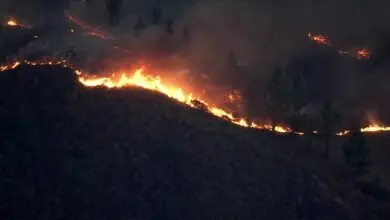
Transboundary haze is a complex environmental phenomenon that defies national borders. The fires, often occurring in Indonesia’s Sumatra and Kalimantan regions, are fueled by dry weather conditions and human activity. When winds shift, the smoke plumes can travel hundreds of kilometers, degrading air quality in Singapore. The impact is not merely environmental but also economic, affecting tourism, aviation, and public health systems. Singapore, with its high population density and limited land area, is particularly vulnerable to these airborne pollutants, making the quality of its air a critical public health concern.
The investigation into firms suggests that authorities are looking beyond immediate firefighting efforts to address the root causes of the fires. By targeting corporate entities, the probe may aim to establish a chain of responsibility for illegal or negligent burning practices. This approach aligns with broader regional efforts to enforce environmental standards and combat illegal deforestation. However, the effectiveness of such measures relies on robust cross-border cooperation, including information sharing, joint monitoring, and coordinated enforcement actions between Singapore and Indonesia.
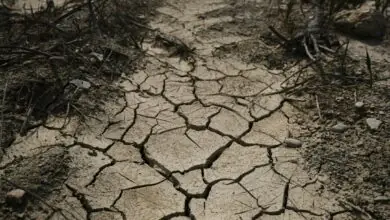
It is important to distinguish between the immediate weather events and the broader climate context. While individual fire events are influenced by local conditions such as wind, humidity, and fuel availability, the increasing frequency and intensity of dry spells are linked to long-term climate trends. Climate change is expected to exacerbate these conditions, leading to longer dry seasons and more severe droughts, which in turn increase the risk of large-scale fires. However, attributing a specific haze event solely to climate change is complex, as it involves multiple interacting factors, including land-use policies and enforcement gaps.
The probe also raises questions about the balance between economic development and environmental protection. Agriculture, particularly oil palm cultivation, is a major economic driver in parts of Indonesia. While sustainable practices exist, the transition to these methods requires significant investment and regulatory support. The investigation into firms may serve as a deterrent, but it must be part of a comprehensive strategy that includes incentives for sustainable land management and stricter penalties for illegal burning.
For affected communities, the haze event brings immediate health hazards and disruption to daily life. Schools may close, outdoor activities are restricted, and sensitive groups such as children, the elderly, and those with pre-existing respiratory conditions face heightened risks. The economic costs, including healthcare expenses and productivity losses, further compound the impact. The investigation into firms is thus not just a regulatory action but a response to a tangible public health crisis that affects millions of people in the region.
Looking ahead, the outcomes of this probe will be closely watched by environmental advocates, policymakers, and the public. It could set a precedent for holding corporations accountable for transboundary environmental damage. However, the success of such efforts depends on the strength of the evidence gathered, the willingness of all parties to cooperate, and the implementation of effective remedies. The next steps may involve further legal actions, diplomatic negotiations, or enhanced monitoring systems to prevent future haze episodes.
In conclusion, Singapore’s probe into firms over Indonesian fires reflects the urgent need for robust cross-border environmental governance in Southeast Asia. As climate change continues to influence weather patterns and fire risks, the region must develop resilient strategies that balance economic growth with ecological sustainability. The investigation is a critical step in this direction, but it must be accompanied by sustained commitment to environmental protection and public health. The coming months will reveal whether this probe leads to meaningful change or if it remains a symbolic gesture in the face of a persistent and complex challenge.