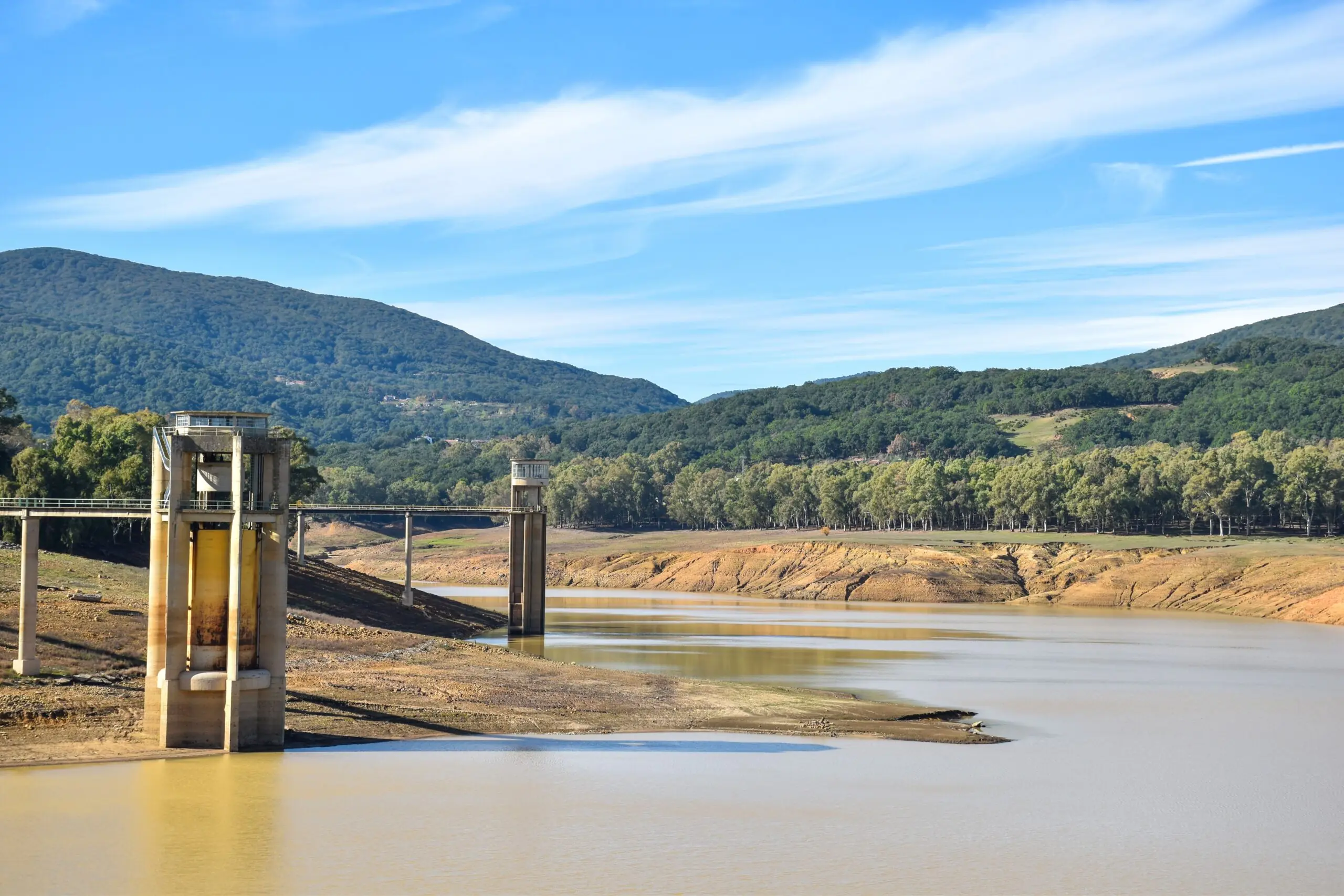
In the affected southern regions, reservoir storage has fallen to critically low levels. Ardingly reservoir, which serves approximately 95,000 properties in Haywards Heath and Uckfield, is currently 19% full. Wimbleball reservoir, supplying customers in East Devon, North Devon, Somerset, and West Dorset, stands at just 16% capacity. The Environment Agency typically expects reservoir storage to be around 75% at this time of year. Smaller reservoirs in the South West, including Drift and Stithians in Cornwall and the Tottiford and Venford group in Devon, are also under strain, supplying a combined 103,000 households.
Government response has focused on securing public supplies. Water Minister Emma Hardy instructed the Environment Agency to prioritize protecting public water supplies in severe drought areas, even where this creates an unavoidable trade-off with environmental rules. Environment Secretary Angela Eagle stated that this level of drought is unprecedented for decades, urging the public to use water wisely. However, requests from South East Water, South West Water, and Southern Water to impose non-essential user bans on businesses such as golf clubs, private schools, and commercial car washes have not yet been approved.
The drought has broader implications for agriculture and water quality. Farmers have reported reduced yields, forced early harvesting, and an increase in field fires. With river and groundwater levels significantly impacted by the sudden drop in rainfall, the National Drought Group has moved to daily monitoring of reservoir and river levels. Heightened water quality monitoring is also in place due to lower dilution levels of sewage, which raises risks of environmental pollution. Currently, temporary hosepipe bans affect around 20 million people, a precautionary measure as demand remains high while supply sources dwindle.
South East England relies heavily on groundwater, where rainfall is stored in rock pore spaces and fractures, making it particularly vulnerable to prolonged dry spells. While winter rainfall was above average, the subsequent lack of precipitation has led to this third major drought event in five years. Water companies across the UK are largely operating at drought level 1, with Anglian Water at level 2 out of a maximum of 4. The government is working closely with utilities to manage the crisis, distinguishing between observed low levels and preliminary estimates of future supply constraints.