
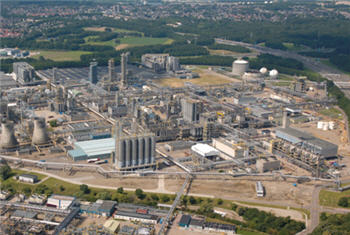
The court’s decision, issued on Tuesday, concludes years of proceedings regarding safety breaches that occurred between 2015 and 2019. The primary focus of the prosecution was the December 2016 incident during which a worker died from burn wounds sustained during furnace maintenance, while a second employee was left with severe injuries. The Public Prosecution Service (OM) had argued that these events were not isolated failures but indicative of a systemic lack of critical oversight, disordered processes, and an inability to learn from past incidents. The prosecutor emphasized that over the four-year period, “no improvement appears to have occurred, rather the opposite,” citing specific violations including a tank roof collapse in July 2015 that exposed employees to explosive naphtha fumes and a dangerous isobutane leak in 2016 that was reported too late to authorities.
The environmental and human impact of these failures is documented in the record. In 2019, a separate incident involved an employee sustaining severe burns from hot oil, which resulted in a spill of 150 to 200 tons of oil, causing substantial soil contamination. These events formed the basis for the OM’s demand for a €25 million fine, a figure calculated based on the company’s financial capacity and the severity of the violations. However, the court rejected the prosecution’s maximum demand, ruling that the department had not proven that Sabic had acted deliberately. Instead, the fine of €10 million reflects the court’s determination that the company was negligent in its failure to implement necessary preventive measures and conduct crucial risk analyses.
The verdict was not limited to Sabic. The court simultaneously issued penalties to other companies operating at the Chemelot site, reflecting the complex regulatory environment of the complex. OCI Nitrogen and AnQore were each fined €360,000 for their roles in other serious accidents, including gas emissions and ruptures in steam pipes recorded between 2015 and 2019. The court agreed that these incidents could have led to worker fatalities without prompt evacuations. In contrast, Chemelot Site Permit BV, the entity with overall administrative responsibility for the site, was absolved of failures in safety oversight. The court defined its role as administrative rather than that of a workplace inspector. Similarly, Borealis Plastomers was exonerated due to its immediate reporting of an accident to site authorities, distinguishing it from the negligence cited in other cases.
Sabic employs roughly 1,800 staff at its Limburg site, making the safety of its workforce a significant local concern. The company has strongly contested the ruling, announcing plans to appeal. In a statement, Sabic described the verdict as “disappointing” and maintained its position that it is not guilty of severe negligence, deliberate inaction, or an attempt to cover up incidents. The company also argued that basing the fine on its global annual turnover rather than the revenue of the Limburg office was inappropriate for a case of this nature. The court, however, noted the years-long nature of the proceedings as a factor in its calculation.
The case underscores the challenges of regulating high-risk industrial zones where multiple operators coexist. While the fine is substantial, it falls short of the prosecution’s demand, a gap that may influence future safety litigation in the sector. Neither AnQore nor OCI Nitrogen immediately indicated whether they would appeal their respective fines. As the Chemelot complex continues to operate, the interplay between corporate safety protocols and judicial enforcement remains a critical area of scrutiny.
For the families of the victims and the workers who continue their shifts at the facility, the legal outcome does not undo the physical toll of the 2016 and 2019 incidents. The next verified development in this matter will be the appeal process, where Sabic will challenge the court’s interpretation of its negligence and the methodology used to determine the penalty.