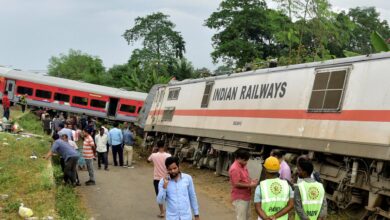
The train, traveling from Aizawl in Mizoram to Kolkata in West Bengal, was approaching Digaru station at approximately 6:54 a.m. local time when the incident occurred. According to a spokesperson for the NFR, the derailment happened as the train was being received at the station. The loco pilot had given precedence to another train, requiring a reduction in speed, but was unable to bring the train under control. This loss of control caused the locomotive and five subsequent coaches to leave the tracks.
Newly surfaced video footage recorded inside the engine cab provides the first direct visual evidence of the mechanical failure. In the recording, the loco pilot is seen operating power levers with increasing urgency, stating in Hindi, “Kuchh kaam nahi kar raha hai” (Nothing is working). He specifically identifies that neither the SA9 nor the A9 systems are functioning. In Indian railway locomotives, the SA9 system refers to the independent braking mechanism used exclusively for the locomotive, while the A9 system controls the automatic brakes for the entire train. The simultaneous failure of both the independent and automatic braking systems suggests a severe technical malfunction rather than a simple operator error, though the root cause remains under investigation.
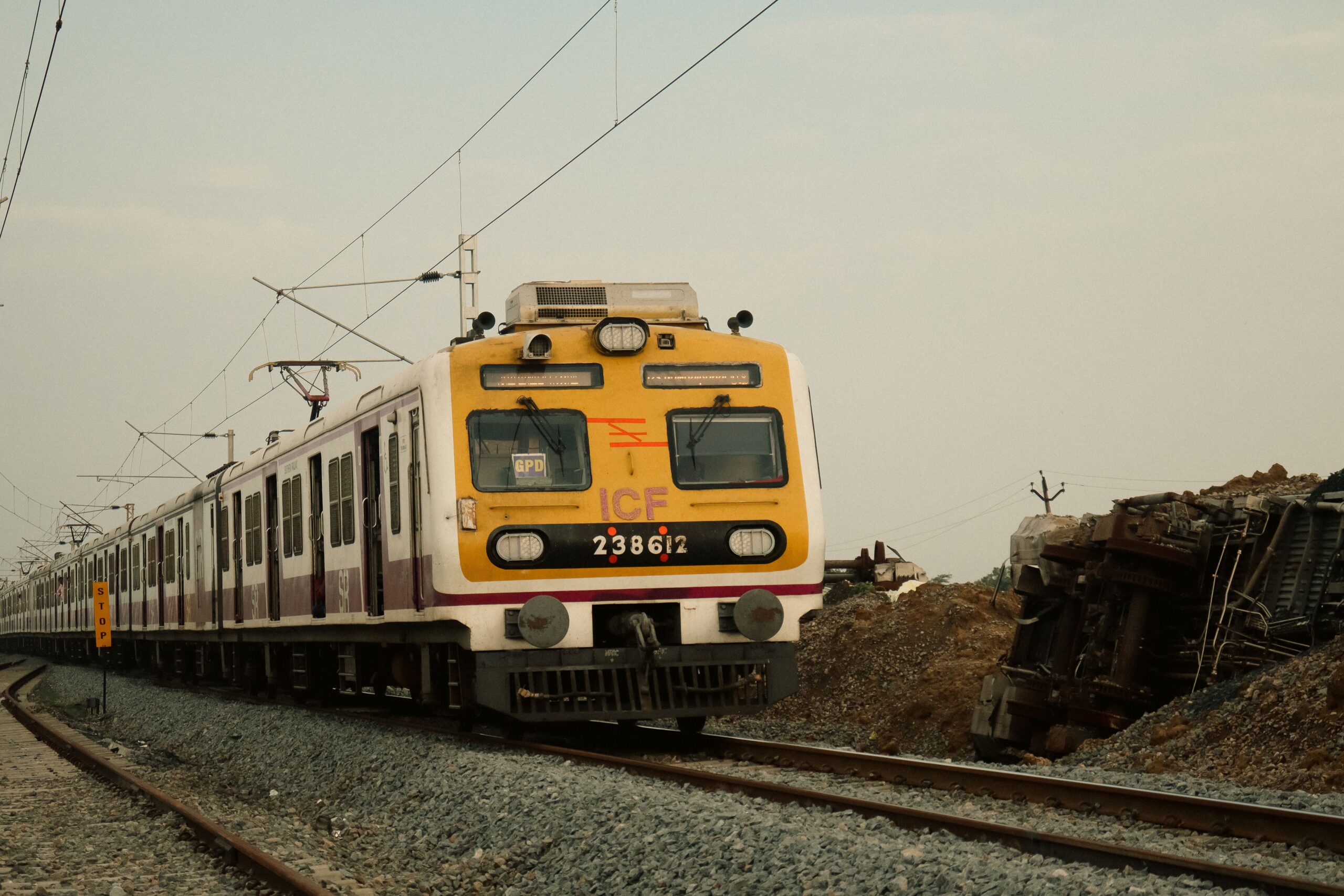
Witness accounts from within the coaches corroborate the severity of the impact. The pantry car manager recounted that passengers were asleep when the incident began. “We were asleep around 5:00 am… When the train crossed the platform at the station, a sound was heard,” he said. The manager described a chaotic sequence of events where the train continued to move for nearly a kilometer after the engine derailed. “Barely a few metres ahead, I felt the engine derail. We moved for another km in that derailed state. I fell down my seat thrice. We could not open the gate,” he stated. This prolonged movement after the initial derailment likely contributed to the panic and injuries among sleeping passengers, who were jolted repeatedly as the train slid along the tracks.
Despite the dramatic nature of the event, the human toll remained relatively low. Assam Chief Minister Himanta Biswa Sarma confirmed that four passengers sustained minor injuries and were shifted to the Sonapur Primary Health Centre for treatment. He emphasized that all other passengers were safe. Initial reports from the NFR stated there were no injuries, but this was later updated to acknowledge the four minor cases. The discrepancy between initial official statements and eyewitness reports of “several” injured individuals has since been resolved with the confirmed count of four.
Immediate response efforts focused on passenger safety and track clearance. A recovery train was dispatched to the site to handle rescue operations and clear the affected tracks. To mitigate the impact on the broader rail network, the NFR arranged an alternative train to transport stranded passengers to their destinations. Passengers were also provided with drinking water and basic food items during the wait. The NFR spokesperson later confirmed that normal train operations on the section had been restored, with previously held trains resuming their journeys gradually.
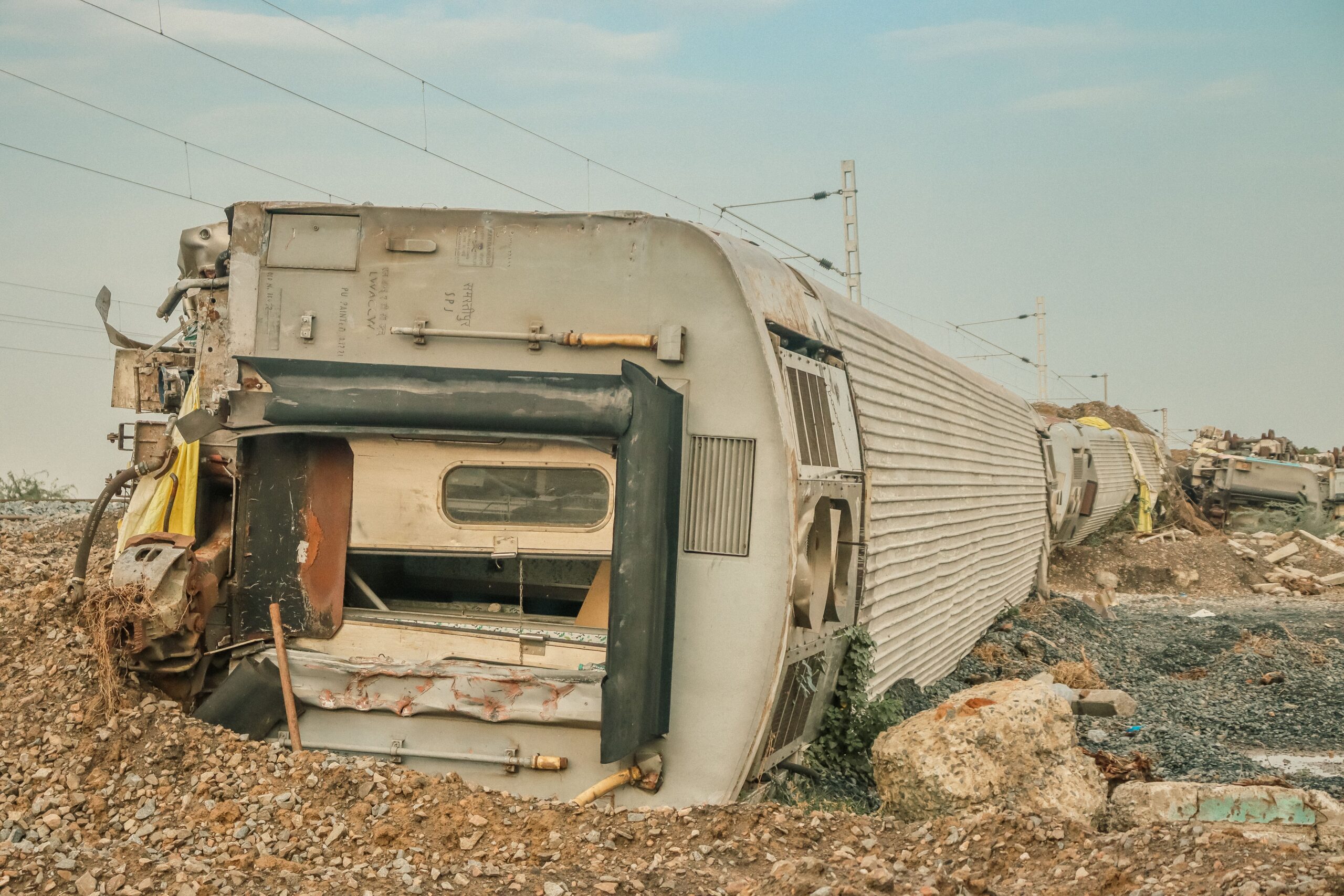
The incident underscores the critical importance of redundant safety systems in modern rail networks. While the specific cause of the dual brake failure is not yet fully established, the availability of cab footage provides investigators with a clear timeline of the mechanical breakdown. The event serves as a stark reminder of the risks associated with mechanical aging and maintenance schedules in a high-volume rail system. As the investigation proceeds, attention will likely turn to the maintenance logs of the specific locomotive involved and the broader reliability of the braking infrastructure on this route.
For now, the focus remains on the recovery of the infrastructure and the well-being of the affected passengers. The incident has not been linked to any broader climate or environmental factors, but rather to specific mechanical and operational failures. The restoration of service marks the immediate end of the crisis, but the technical analysis of the SA9 and A9 system failures will determine future safety protocols for the NFR network.