
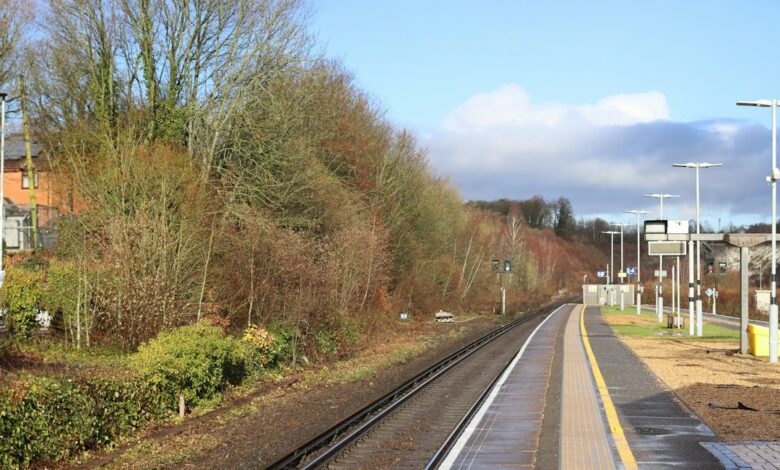
The disruption is not a single, uniform event but a layered series of actions that vary by region, operator, and mode of transport. Infrastructure operator RFI has confirmed that the railway strike affecting personnel from FS Group, Italo, and Trenord is scheduled from 9 p.m. on Thursday, October 29, until 8:59 p.m. on Friday, October 30. However, the impact extends beyond these headline hours. In Lombardy, Trenord has outlined specific operational protocols: on Thursday evening, trains will operate only if their scheduled departure is by 9 p.m. and their arrival at the final destination is by 10 p.m. On Friday, service guarantees are limited to specific minimum service lists covering the early morning (6–9 a.m.) and late afternoon (6–9 p.m.) windows. Crucially, these protections apply only to listed trains, not every scheduled departure within those hours, meaning significant gaps in service are expected outside these narrow windows.
The political significance of these strikes lies in their timing and the sectors involved. By targeting both national infrastructure and local municipal services, the unions are applying pressure across multiple levels of governance. In Milan, the local transport authority ATM has clarified that, contrary to some circulating information, its employees will participate in the October 30 action. ATM’s October 26 notice indicates that services could be affected from 8:45 a.m. to 3 p.m. and from 6 p.m. until the end of service. Authorities are reportedly considering interventions to maintain essential mobility, though no final decisions have been announced. In Rome, the municipal mobility agency confirms that the action involves ATAC and several private bus operators, including subcontracted services. Here, service is guaranteed until 8:30 a.m. and from 5 p.m. to 8 p.m., with travelers advised to check the specific operator for their route.
Air travel is also poised for significant disruption, adding a layer of complexity for international and domestic travelers. The Transport Ministry’s register lists October 30 action involving airport workers in Pisa and Florence, as well as port workers and taxi services. For air passengers, the regulatory framework introduces a point of uncertainty. ENAC, Italy’s civil aviation authority, lists the period from October 30 to November 5 among its protected periods for aviation strikes. This creates a regulatory question regarding the October 30 filings: while a strike declaration does not automatically equate to a full cancellation, the protected status of the period means that any action taken must comply with specific minimum service regulations. Passengers are advised to resolve this ambiguity by checking current airline and ENAC announcements, as a strike filing is not a final cancellation notice.
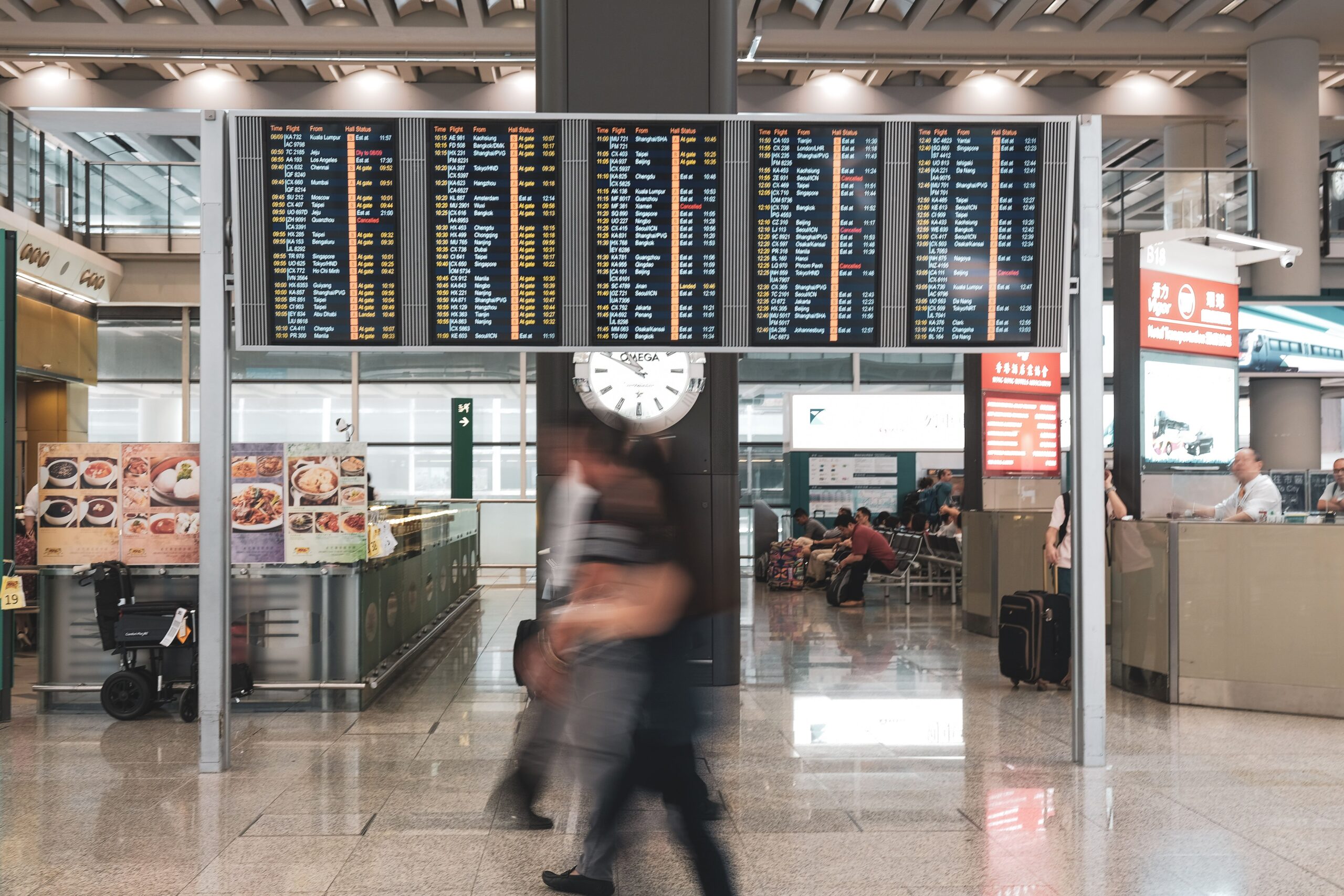
The wave of action does not end with October 30. The Transport Ministry’s calendar records a 24-hour AL-COBAS strike involving ATM Group personnel on Friday, November 13. Advance information suggests potential stoppages in Milan from 8:45 a.m. to 3 p.m. and after 6 p.m., though these hours remain provisional until ATM publishes a date-specific notice. Further disruption is expected in late November, with a nationwide CGIL walkout scheduled for November 20, followed by overlapping rail and air traffic control strikes around November 20–21. These later dates are identified as high-risk periods for travelers, particularly for those relying on airport connections.
The principal actors in this dispute are the trade unions, primarily CGIL and AL-COBAS, who are seeking to address perceived inadequacies in wage growth and working conditions against the backdrop of government spending priorities. The government and transport operators, meanwhile, are focused on maintaining minimum essential services to balance labor rights with public necessity. The distinction between a strike declaration and actual service cancellation is a key point of confusion for the public. A strike notice indicates the intent to withhold labor, but the actual level of disruption depends on participation rates, minimum-service requirements, and subsequent official decisions by operators and regulators.
For commuters and travelers, the practical implications are severe. In Milan, Trenord has announced that canceled airport trains will be replaced by nonstop buses between Milano Cadorna and Malpensa Airport, and between Stabio and Malpensa. The Cadorna replacement buses will depart from Via Paleocapa 1, requiring passengers to verify these arrangements before leaving for the station. In Rome, the involvement of private bus operators alongside municipal ATAC services means that disruption may be uneven, with some routes fully operational while others are suspended. The varying operating arrangements across different cities and operators underscore the fragmented nature of Italy’s transport system, where local and national strikes can create a patchwork of availability.

Opposing positions within the transport sector are evident in the varying responses from different union bodies. While major unions like CGIL and AL-COBAS are calling for strikes, separate declarations by several other unions have excluded transport from their actions, highlighting the lack of a single, unified front. This fragmentation necessitates that travelers and businesses distinguish between individual strike notices, as a strike declared by one union does not necessarily affect services managed by operators aligned with others who have not called for action.
What remains uncertain is the precise scale of the disruption. While the dates and times of the strikes are known, the actual number of canceled services will depend on the level of union participation and the enforcement of minimum service agreements. The regulatory question surrounding the ENAC protected period for aviation strikes will likely be resolved through further announcements from airlines and the authority, but until then, air travel carries a heightened risk of last-minute changes. The political narrative will continue to evolve as these strikes unfold, with the outcome potentially influencing future labor negotiations and government policy on public transport funding and worker conditions. The next major development to watch is the implementation of the November 20 CGIL walkout and the subsequent rail and air traffic control actions, which could compound the logistical challenges already facing Italy’s transport network.



One Comment