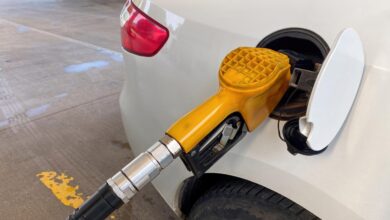

The disruption stems from delays in fuel distribution after a tanker encountered trouble discharging its cargo, according to Simon Aloysius Mantiri, president director of state-owned oil and gas firm Pertamina. Mantiri issued an apology for the inconvenience. Although the tanker carrying more than 22 million litres of fuel arrived in Bali on Tuesday, the bottleneck in offloading has left local stocks depleted. Bali relies entirely on shipped-in gasoline and diesel supplies, making it vulnerable to such logistical interruptions.
The immediate impact has been felt most acutely by scooter riders and tourists relying on motorbikes for transport. Raisa Neagu, a 43-year-old Moldovan tourist, told AFP she spent hours waiting to fuel her scooter, eventually having to cancel her travel plans to northern Bali. “We were stuck with no petrol. So we couldn’t move,” Neagu said. Similarly, 22-year-old hotel worker Ni Wayan Susiani reported waiting approximately five hours to purchase fuel for her motorbike, describing the situation as “annoyed” but hopeful for a return to normalcy in the coming days.
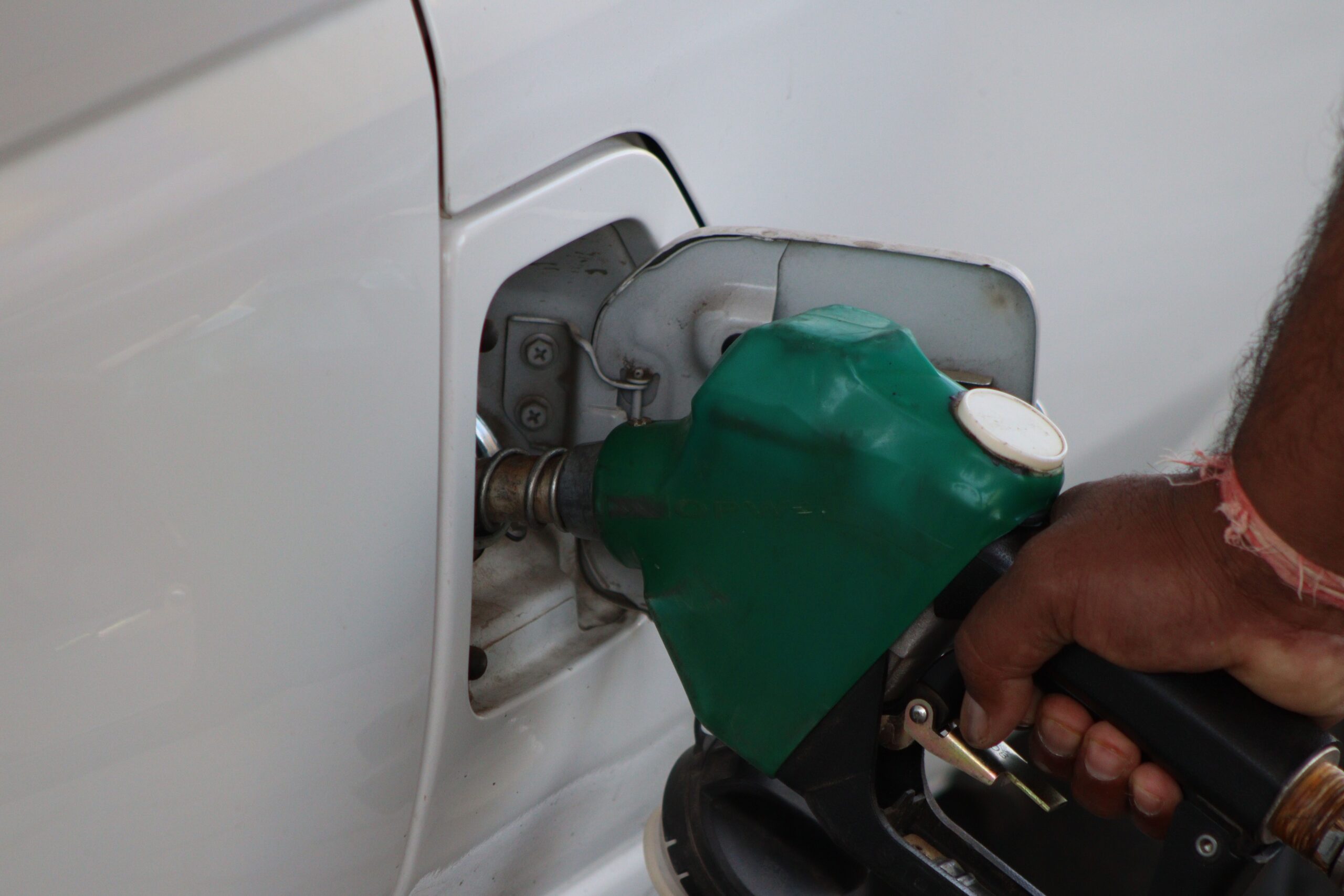
Bali Governor I Wayan Koster stated that the remote work and online learning directives are intended to reduce traffic volume, thereby making fuel distribution more efficient. Authorities have also ordered petrol stations in affected areas to operate 24 hours a day, with deliveries from depots scheduled around the clock to accelerate restocking. Governor Koster assured the public that the 22 million litres of fuel that arrived Tuesday are sufficient to meet the island’s demand for up to seven days. He added that further fuel shipments are expected to arrive within the current week.
Officials have urged residents and tourists to remain calm, emphasizing that the shortage is a temporary supply-side issue rather than a permanent lack of fuel. While the specific technical nature of the tanker’s discharge problem was not detailed in official statements, the resolution of the bottleneck is the primary focus of current operational efforts. The next critical milestone is the continued arrival of additional shipments this week, which is expected to fully stabilize fuel availability across the island.