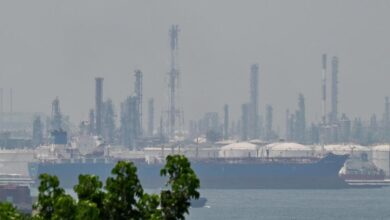
The agreement was reached against the backdrop of a broader strategic pivot away from Russian energy supplies. Just over a week prior to the signing, German Chancellor Friedrich Merz had personally offered Hungarian Prime Minister Péter Magyar capacity at German LNG terminals. The rapid succession of these diplomatic and commercial engagements underscores the urgency with which Hungary is seeking to diversify its energy mix. For Budapest, the Polish route offers a complementary pathway to the German option, potentially providing more secure and commercially competitive supply routes within the immediate regional infrastructure network.
Gábor Orbán, CEO of MVM ONEnergy, described the agreement as an important milestone for the MVM Group. He noted that the collaboration aligns with the guidelines of the EU’s REPowerEU energy plan, which calls for a phased phase-out of fossil fuels from Russia. The stated goal of both companies is to develop secure and commercially competitive solutions to broaden Hungary’s sources of supply and transportation routes. This includes securing access to necessary infrastructure, establishing transport conditions, and finalizing the required commercial agreements that will underpin any future physical deliveries.
From the Polish perspective, the deal reinforces the strategic vision behind the “Baltic Eagle Gas Hub” infrastructure concept. Orlen CEO Ireneusz Fąfara emphasized that the project fits into this initiative, which aims to link access to the global LNG market—particularly for shipments from the United States—via Baltic import terminals and cross-border interconnectors. By facilitating the flow of gas from these terminals to Hungary, Poland expands its role as a regional transit country, enhancing the resilience of energy infrastructure across Central and Eastern Europe. The agreement specifies that if necessary, the subsidiaries Orlen LNG Trading Limited and Orlen Energy Trading GmbH will be involved in the collaboration, indicating a structured corporate framework for executing potential future trades.
It is crucial to distinguish the current status of this partnership from a finalized supply contract. The document signed in Warsaw is, for the time being, merely a memorandum of understanding (MoU). Consequently, it does not involve any specific gas purchases, nor have details been provided regarding potential supply volumes, prices, or a specific start date for gas deliveries. The agreement serves as a framework for further negotiations and technical preparations, bridging the gap between strategic intent and operational execution. This phase is critical in energy markets, where infrastructure readiness and commercial terms must be aligned before physical flows can commence.
The timing of this agreement highlights the complex interplay of diplomatic and market forces shaping the European energy landscape. With Germany and Poland both positioning themselves as key suppliers of LNG to Hungary, Budapest is effectively leveraging its geographic centrality to negotiate from a position of increased choice. This diversification is not merely about securing gas; it is about ensuring the reliability of supply chains that have been disrupted by geopolitical tensions. The involvement of major state-backed or semi-state-backed entities like MVM and Orlen suggests that these transactions are viewed as matters of national security as much as commercial opportunity.
While the specific terms remain undisclosed, the technical pathway involves utilizing Poland’s existing and planned LNG infrastructure. The Baltic Eagle Gas Hub concept envisions a network where imported LNG is regasified and distributed not only to the Polish domestic market but also to neighboring countries via interconnectors. For Hungary, access to this network could provide a more direct route for imported gas compared to longer-distance pipelines. However, the realization of this benefit depends on the successful resolution of commercial and regulatory hurdles, including pricing mechanisms and capacity allocation on the interconnectors.
As the parties move forward, the focus will shift from the symbolic significance of the MoU to the hard realities of market pricing and infrastructure capacity. The next verified development will likely involve detailed technical discussions between MVM ONEnergy and Orlen’s trading subsidiaries to determine the feasibility of specific delivery schedules. Until then, the agreement stands as a testament to the accelerating reconfiguration of energy flows in Central Europe, where former dependence on a single supplier is being replaced by a multi-directional network of LNG imports and regional trade. For Hungarian consumers and industries, the promise of greater supply security remains contingent on the conversion of this cooperation into tangible, contracted gas flows.