The immediate implication of these low reserves is operational. As colder weather approaches, the German energy system will require an immediate increase in gas imports to meet domestic energy demand. This surge in requirement adds a layer of complexity to an already delicate market. Historically, gas storage facilities have played a crucial role in European energy security, acting as a shock absorber against supply disruptions and the predictable spike in consumption during winter months. According to the European Commission, stored gas accounts for roughly one-third of the EU’s total winter gas consumption. When that third is depleted below the norm, the pressure shifts entirely to real-time delivery via pipelines and liquefied natural gas (LNG) terminals.
This current situation is the direct successor to the profound structural changes forced upon Europe by the 2022 energy crisis. Prior to Russia’s invasion of Ukraine and the subsequent disruption of Russian gas deliveries, Germany’s energy architecture was heavily dependent on Russian natural gas. The abrupt cessation of those flows forced Berlin to execute a rapid diversification strategy. This involved not only seeking new political suppliers but also investing in new import infrastructure to handle LNG, a resource that requires specific receiving facilities and regasification capacity. While these investments have secured access to global markets, they do not eliminate the physics of storage; they merely change the source of the molecules entering the system.
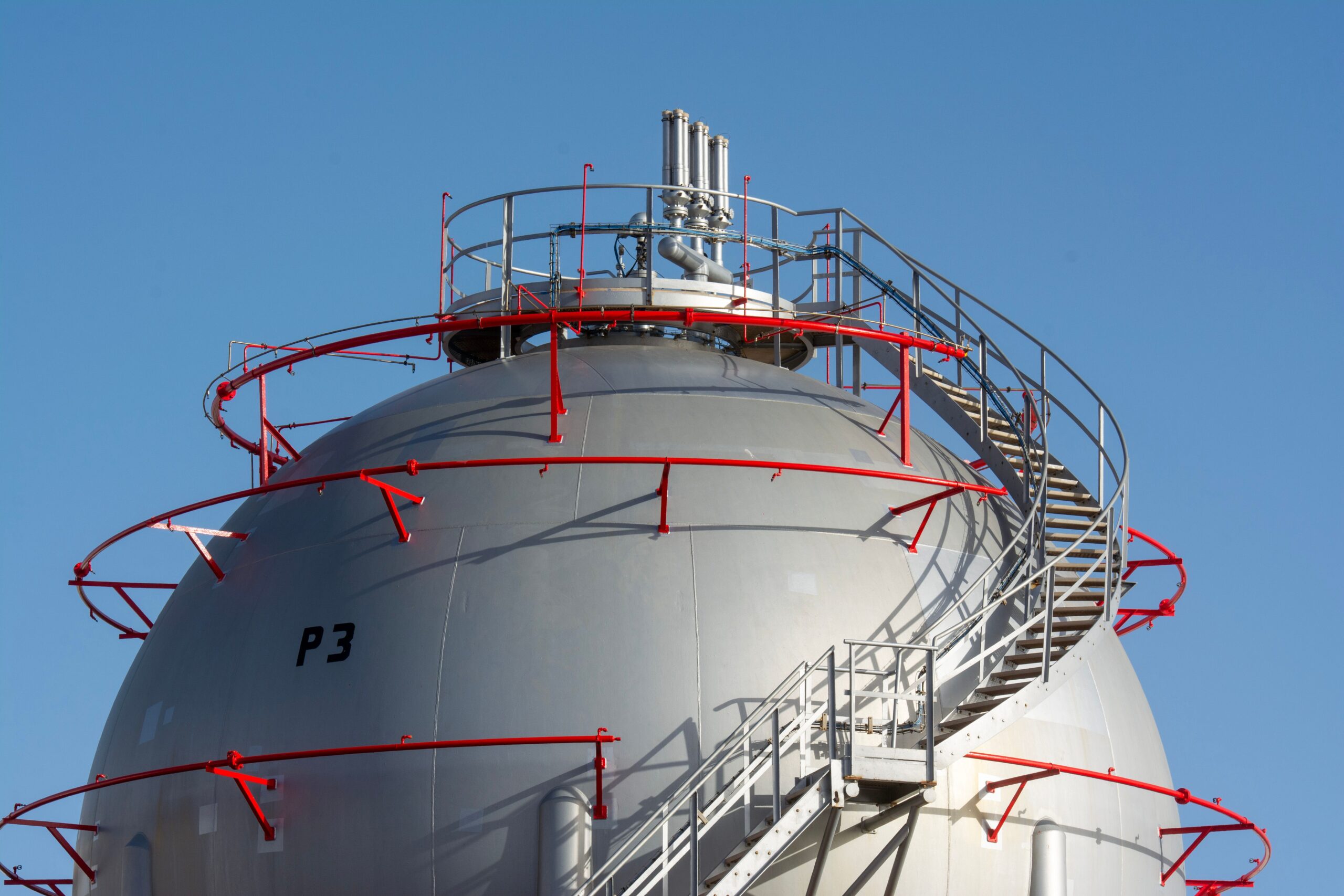
The regulatory framework governing these storage levels has also evolved. Following historically low storage levels recorded in 2021, the EU introduced strict targets requiring member states to fill their storage facilities to 90 percent ahead of each winter. However, these rules have since been adjusted to allow for greater flexibility, acknowledging that market conditions and geopolitical realities vary. Despite this flexibility, Germany’s current 57 percent fill rate suggests that even under relaxed regulatory regimes, the country is lagging behind the broader European average. For Germany, falling below levels recorded in previous years increases the country’s reliance on ongoing pipeline and LNG imports. This dependence is most acute during periods of severe cold or if disruptions occur in international supply chains, making the margin for error significantly smaller.
The broader context of Europe’s energy market remains one of transition and adaptation. The continent is still in the process of securing alternative gas supplies to replace the lost Russian volumes. The data indicates a market that is functional but tense. The gap between Germany’s 57 percent and the EU’s 70 percent average highlights a specific vulnerability in the region’s largest economy. If Germany is the biggest consumer, its storage levels are effectively a bellwether for the stability of the broader European grid. A deficit in Berlin does not stay in Berlin; it ripples through interconnection points, affecting prices and availability in neighboring markets.
Amidst these energy calculations, the political landscape remains active. German Chancellor Friedrich Merz has previously voiced support for the US and Israeli military action against Iran, stating that the two countries had good reasons for taking such steps. While this geopolitical stance is distinct from the operational mechanics of gas storage, it exists within the same strategic environment that influences energy security policies. The interplay between diplomatic positions and energy infrastructure is a constant variable in the post-2022 landscape, where supply routes are not just logistical challenges but also points of geopolitical leverage.

What remains uncertain is how the next few weeks of weather will interact with these storage levels. If temperatures drop sharply, the need for real-time imports will intensify, potentially straining the very infrastructure that was built to mitigate the 2022 crisis. The adjustment of EU storage rules to allow flexibility was intended to prevent market distortions, but it also means that in a crisis, there is less mandated redundancy. For now, the 57 percent figure stands as a verified reality: Germany is entering winter with less cushion than its peers, relying on the continued reliability of global LNG markets and pipeline networks to bridge the gap between its depleted stores and its winter demand.
The focus now returns to the German storage facilities themselves, where the 57 percent mark is not just a number but a constraint. The next verified development will be the daily import volumes required to offset domestic consumption as the first hard frosts set in. Until those imports stabilize or storage levels recover, the energy system operates with a higher sensitivity to external shocks, a condition that defines the current state of European energy security.