

The demographic profile of those living with HIV in Russia has changed significantly over the past decade and a half. Natalya Ladnaya, a leading researcher at the institute’s department for HIV/AIDS prevention and control, noted that the average age of infected individuals has risen from 32 to 44. Currently, more than 3% of Russian men aged 40 to 50 live with the virus. Ladnaya emphasized that about two-thirds of new transmissions occur through heterosexual contact, a pattern consistent with a generalized epidemic rather than one restricted to key populations such as men who have sex with men or people who inject drugs.
A central challenge in containing this spread is the gap between diagnosis and effective treatment. Only half of the people living with HIV in Russia have a suppressed viral load, a metric that indicates the virus is not actively replicating and cannot be transmitted sexually. This statistic implies that at least 600,000 people continue to carry transmissible levels of the virus. Among those who are receiving antiretroviral therapy (ART), the viral suppression rate stands at approximately 77–78%. This falls short of the 95% target set by the World Health Organization (WHO) under its “95-95-95” strategy, which aims to ensure that 95% of people living with HIV know their status, 95% of those diagnosed receive treatment, and 95% of those on treatment have an undetectable viral load.
The consequences of these treatment gaps are stark. Rospotrebnadzor reports that 30,000 to 34,000 people have died of HIV annually in recent years. For every death attributable to the virus, there are 1.5 new infections, indicating that the epidemic is growing despite existing intervention efforts. In 2024, Russia recorded approximately 52,000 new diagnoses, a figure that dropped slightly to 45,000 in 2025. However, the draft federal budget for 2027 provides additional medication for only 30,000 HIV patients, a shortfall that does not cover the volume of new diagnoses, leaving a significant portion of newly infected individuals without guaranteed access to lifelong therapy.
Medical safety concerns have also emerged, with 2025 marking the highest number of bloodborne infections in medical facilities in 15 years. Elena Igonina, head of Rospotrebnadzor’s Department of Epidemiological Well-Being of the Population, reported that most of these infections involved HIV and hepatitis C. Investigations are currently underway into 11 clusters of such infections across ten regions. Igonina attributed these incidents primarily to violations of sanitary and epidemiological rules, specifically the reuse of catheters and glucometers among multiple patients. Additionally, authorities identified two cases of HIV transmission through blood component transfusion in 2026, the first such occurrences in six years.
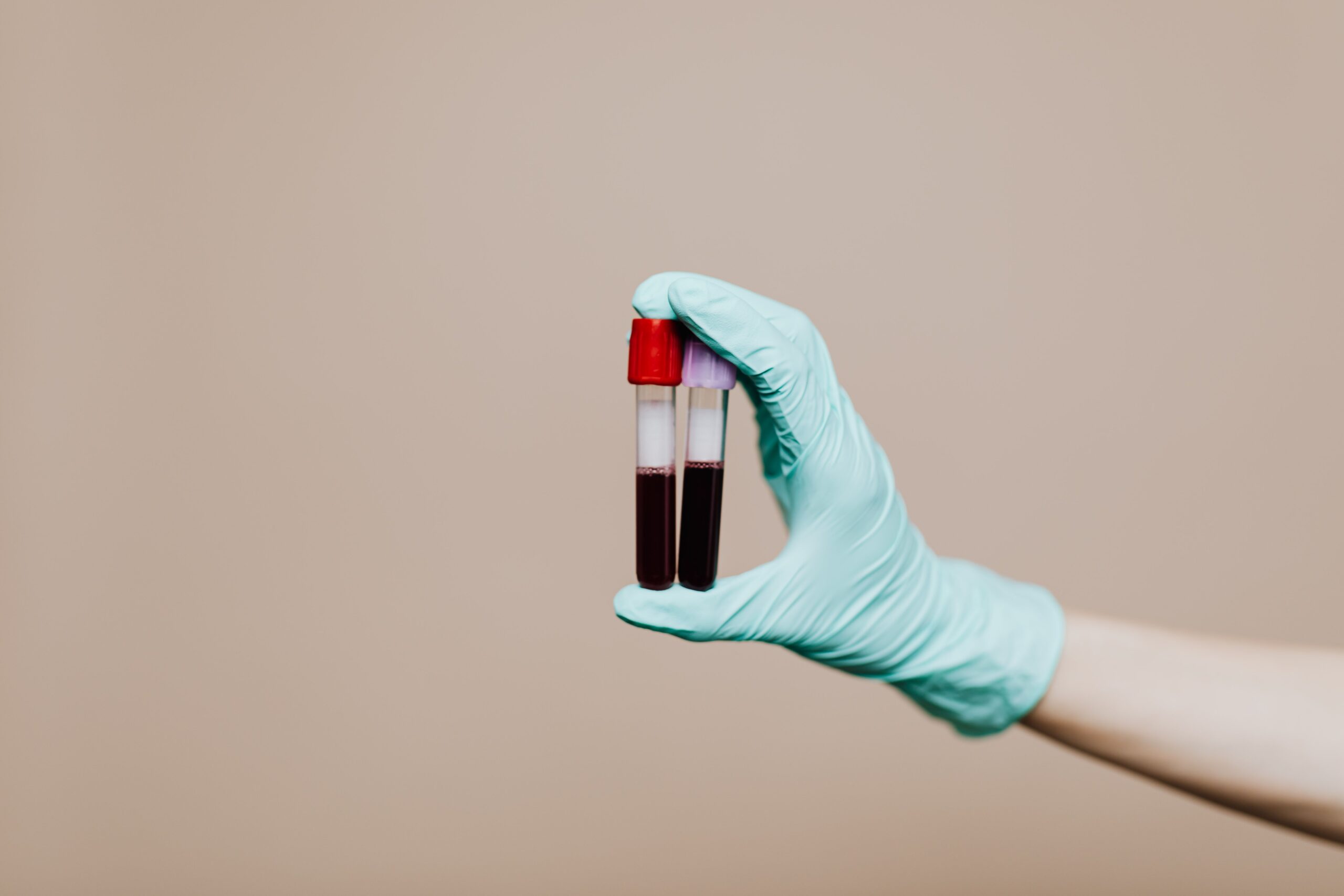
While the domestic epidemic intensifies, global scientific research continues to explore both the origins and potential eradication of the virus. Historical investigations have traced the origins of HIV to chimpanzees in Central Africa, debunking the long-held “Patient Zero” myth that blamed a single individual for bringing the virus to the United States. Genetic detective work has shown that the virus crossed from primates to humans decades before it was identified, with early cases likely circulating in Sub-Saharan Africa under different local names due to the lack of diagnostic resources at the time.
In the realm of treatment innovation, researchers are seeking ways to address the “latent viral reservoir,” where HIV hides in immune cells and survives antiretroviral therapy. A study published in Nature Microbiology by the University of California, Davis, tested an experimental antibody in infant rhesus macaques infected with simian immunodeficiency virus (SIV), a close relative of HIV. The research team, led by virologist Jesse Deere and immunologist Dennis Hartigan-O’Connor, targeted cells expressing C-C chemokine receptor type 5 (CCR5), a protein that HIV and SIV use to enter cells. The experimental antibody, which binds both CCR5 and CD3, directed T cells to attack these target cells.
In the study, 25 newborn macaques were exposed to SIV, with 20 becoming infected. A week after infection, the animals began antiretroviral treatment. One group received the drugs alone, another received a single dose of the experimental CCR5/CD3 antibody alongside the drugs, and a third received a different antibody targeting CD4. When the antiviral drugs were stopped after 18 weeks, the virus reappeared in the blood of every animal in the drug-only group within a week. In contrast, some recipients of the CCR5/CD3 antibody remained in remission for much longer. Four animals showed no sign of the virus in the blood for more than three months, and in one monkey, the virus remained undetectable for four years of follow-up. While promising, this is preclinical evidence in animal models and does not yet constitute a cure for humans.
The divergence between the clinical reality in Russia, where treatment access remains a barrier to suppression, and the laboratory frontiers of reservoir depletion highlights the complex nature of the global HIV response. For Russia, the immediate priority remains expanding treatment coverage to meet WHO standards, while for the global scientific community, the focus is on developing interventions that can permanently clear the virus from the body.