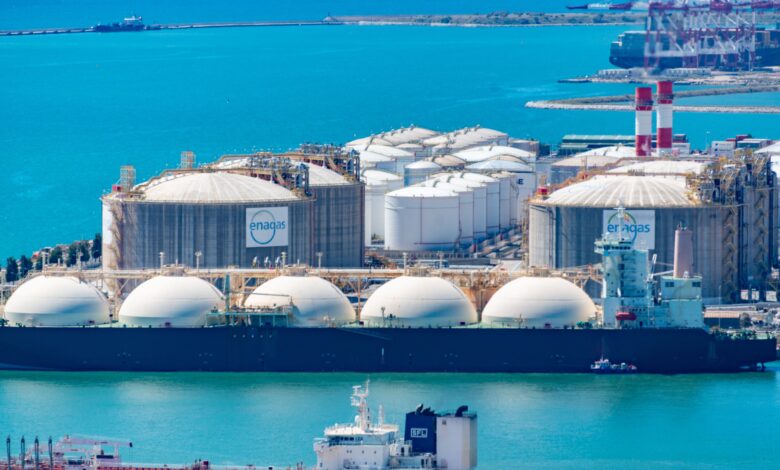
The connection between Middle Eastern security and European energy costs is not merely theoretical; it is structural. Iran sits within the heart of the Persian Gulf, a region responsible for a significant portion of the world’s liquefied natural gas (LNG) exports. Any escalation involving military action in this vicinity raises the specter of disrupted shipping lanes, potential damage to export terminals, or retaliatory measures that could constrict global supply. For European markets, which have become heavily reliant on LNG imports following the reduction of Russian pipeline gas, such disruptions represent a direct threat to price stability. When news broke that President Trump had paused strikes, the immediate market reaction was a retreat in forward contracts, reflecting a lower probability of near-term supply shocks.
This price correction highlights the fragile duality of the current European energy landscape. On one hand, the continent has made substantial strides in diversifying its supply sources, turning to the United States, Qatar, and Norway to replace lost Russian volumes. On the other hand, this diversification has not insulated Europe from global geopolitical volatility. Instead, it has exposed European consumers to the risks inherent in the broader global LNG market. The recent dip to one-month lows serves as a reminder that while infrastructure investments have improved physical access to gas, the financial risk of supply disruption remains tied to distant political decisions. The price drop, while welcomed by industrial users who face high energy costs, is contingent on the durability of this geopolitical pause. If the situation in the Middle East re-escalates, the premium for risk could snap back rapidly, erasing the recent savings.
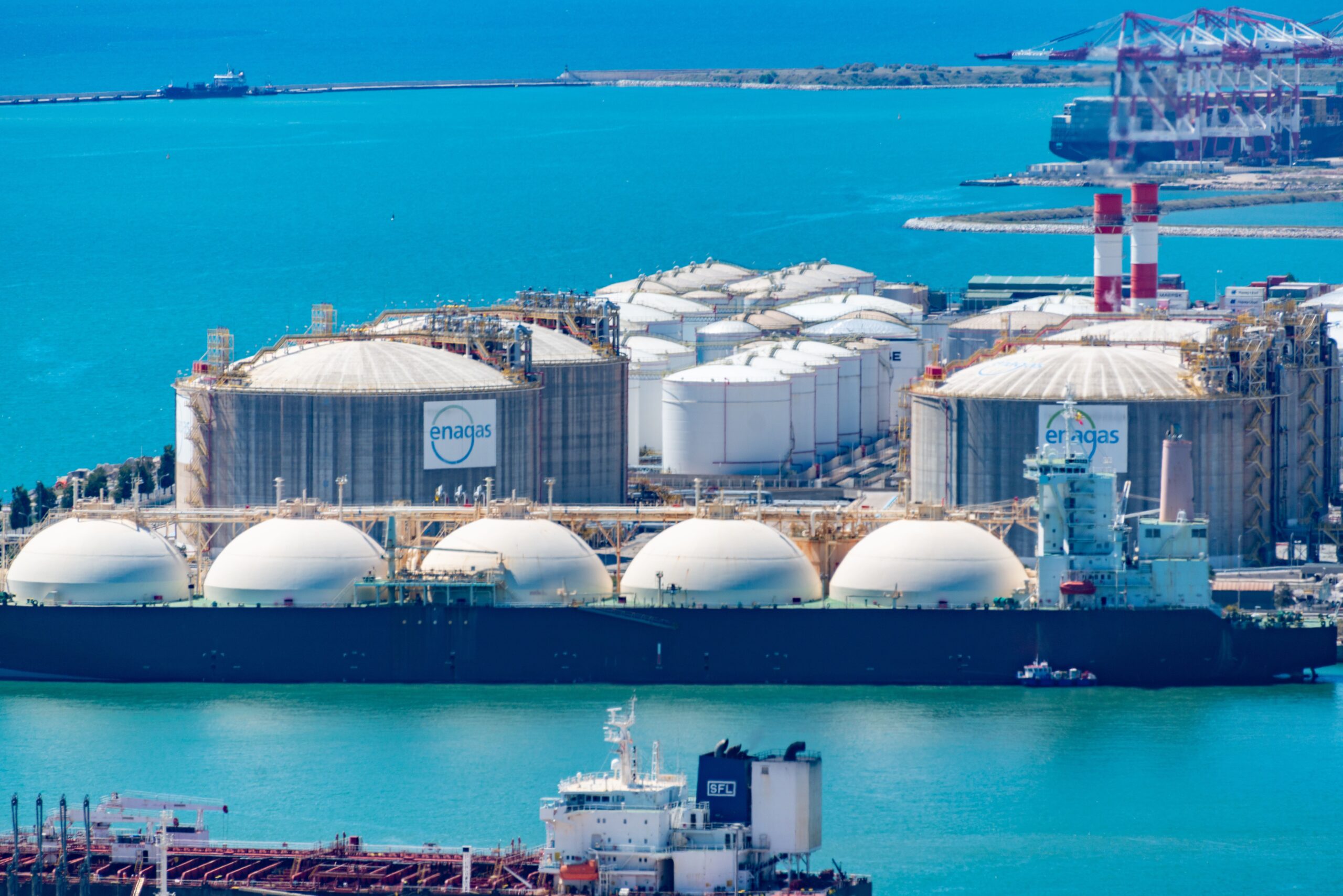
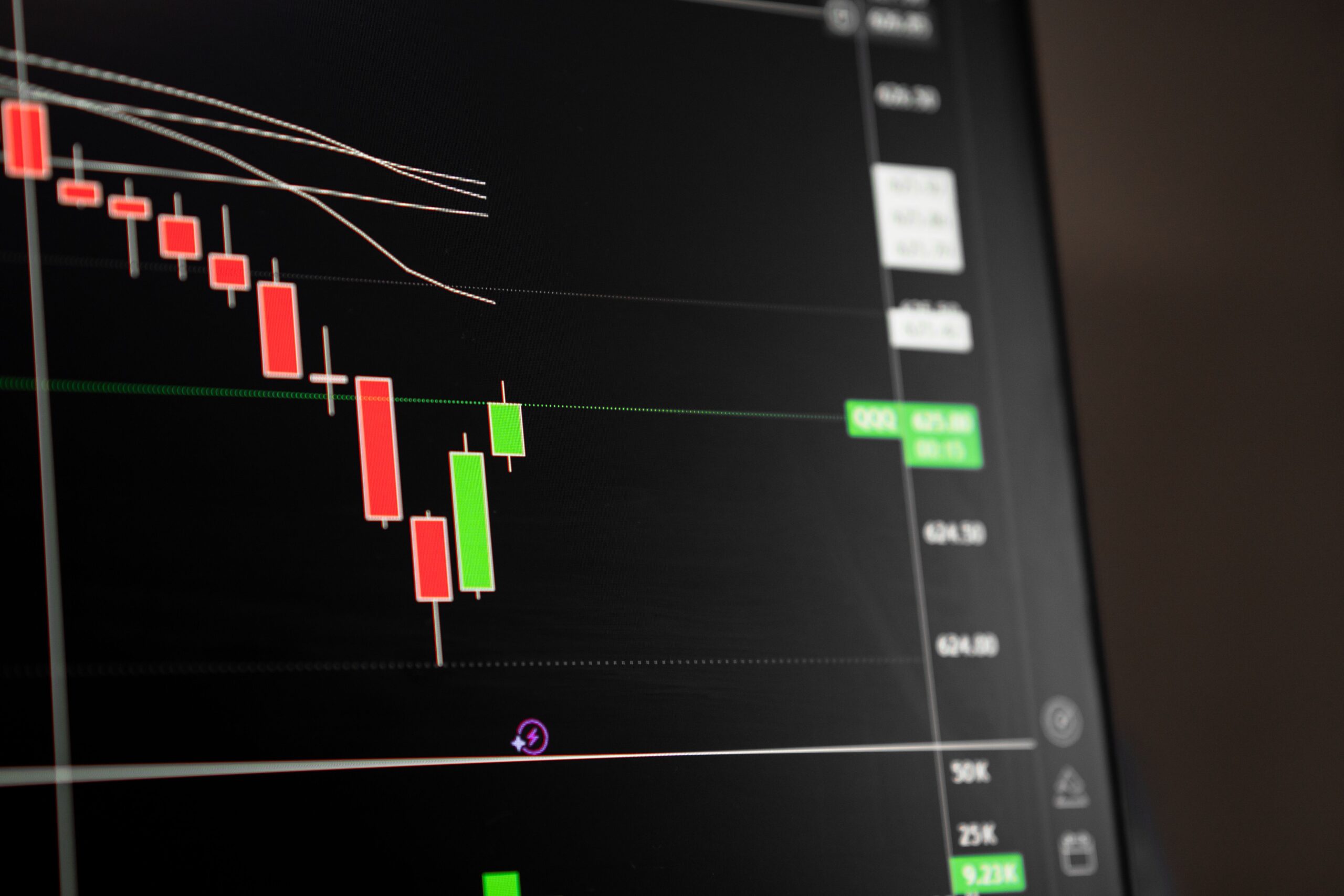
For the affected consumers and industries, the impact is tangible but nuanced. Energy-intensive sectors, such as chemicals, fertilizers, and steel production, are particularly sensitive to gas price fluctuations. A sustained period of lower prices can improve their competitiveness against non-European rivals who may have access to cheaper domestic gas or different energy mixes. However, the current decline is a short-term relief valve rather than a structural change in the market’s cost base. The underlying infrastructure costs, the premium for security of supply, and the global balancing of LNG flows remain high. The market data shows a clear correlation between geopolitical headlines and price action, underscoring the need for robust hedging strategies among businesses and governments to protect against future volatility.
Grid operators and energy regulators are monitoring these developments closely. While the immediate risk to physical supply is low, the price signal influences investment decisions and demand management. Lower gas prices can reduce the call on peaking power plants, potentially lowering electricity prices in the short term, provided that weather conditions do not drive up demand for heating. However, the uncertainty surrounding the longevity of the paused strikes means that long-term planning remains complicated. Governments are likely to continue pushing for energy efficiency and renewable integration, not only for environmental reasons but also to reduce dependence on volatile global markets. The current episode reinforces the argument that energy security is a geopolitical imperative, requiring both diplomatic engagement and diversified supply chains.
As the immediate risk premium fades, the market turns its attention to other variables. Inventory levels in European storage facilities, which are typically filled in the summer for winter demand, will be a key indicator of physical tightness. If storage is full and demand is moderate, the lower prices could persist, providing a more stable environment for economic activity. Conversely, if demand spikes due to a cold snap, or if new supply disruptions emerge elsewhere, the recent price lows could prove ephemeral. The pause in strikes against Iran offers a brief window of respite, but the underlying tensions in the energy market remain unresolved. The next verified development will likely come from official statements on the status of diplomatic talks in the region and subsequent adjustments in LNG shipping routes and contract pricing. Until then, the European energy sector remains in a state of cautious optimism, aware that the stability of gas prices is inextricably linked to the peace and stability of the Middle East.