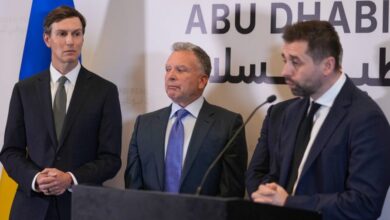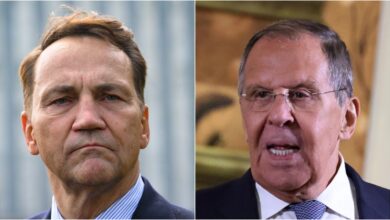

The resumption of direct dialogue represents a marked change in the diplomatic landscape. For months, the absence of such high-level, US-mediated conversations had cast a shadow over potential pathways to a ceasefire or permanent peace. However, the recent statements from the White House have introduced a new variable into the geopolitical equation, prompting both Kyiv and Moscow to engage in this renewed effort. The timing is distinct: by occurring in late November, the talks arrive after a prolonged period of stalemate, with February marking the last instance of similar US-facilitated interactions.
The core of the proposed framework, as outlined in recent US commentary, links the cessation of hostilities in Ukraine with broader European security architectures. This suggests that any potential agreement would not be limited to a simple armistice but would involve structural changes or guarantees intended to stabilize the region. The involvement of the United States as a broker adds significant weight to the process, signaling that Washington views a durable resolution as both achievable and a priority for its foreign policy engagement in the region.
While the political and military dimensions dominate the immediate narrative, the economic implications of such a “broad deal” are substantial, even if specific terms have not yet been disclosed in the available reporting. A confirmed end to the war in Ukraine would likely trigger immediate shifts in global energy markets, where supply disruptions and sanctions regimes have influenced prices and trade routes. Furthermore, the mention of “security in Europe” implies that the outcome of these talks could affect defense spending priorities, trade relationships, and investment flows across the continent. Industries tied to logistics, agriculture, and energy infrastructure in both Ukraine and its neighbors would be among the first to respond to any verified change in the conflict’s status.
However, the current state of information remains limited to the occurrence of the talks and the initial US stance. There are no reported details on the specific economic clauses, trade concessions, or reconstruction plans discussed during the November 10 meeting. Consequently, it is not possible to determine how businesses, households, or financial markets in Europe or the wider world are reacting to the specifics of the negotiations. The uncertainty remains high, as the transition from a statement of possibility to a signed agreement involves complex negotiations where interests often diverge sharply.
Market participants and policymakers are likely monitoring these developments with caution. In the absence of concrete terms, speculative movements in commodities or currency are difficult to attribute solely to the news of the talks. The distinction between a political signal and a binding economic commitment is critical. Until details emerge regarding the scope of the security guarantees and the mechanisms for ending the war, the economic impact remains theoretical. The focus remains on whether the “broad deal” mentioned by President Trump can be translated into a verifiable framework that addresses the immediate security concerns of all parties involved.
The road from the November 10 meeting to a potential resolution is long and uncertain. The involvement of the United States as a broker provides a platform for dialogue, but the substantive work of defining the terms of peace—and their economic consequences—has yet to be fully revealed. For now, the primary significance of the event lies in the re-establishment of a direct channel for negotiation, a step that had been absent since early in the year. The next steps will depend on whether this initial contact leads to further substantive discussions or remains a preliminary gesture in a broader diplomatic effort.
As the officials conclude their sessions, the attention of international observers turns to the follow-up. The initial meeting sets the stage, but the outcome will be determined by subsequent rounds of dialogue. The interplay between geopolitical resolution and economic stability remains the central challenge, with the potential to reshape trade dynamics and security postures in Europe if a deal is ultimately reached. For now, the fact of the meeting itself stands as the most significant development, marking a departure from the previous months of diplomatic silence.