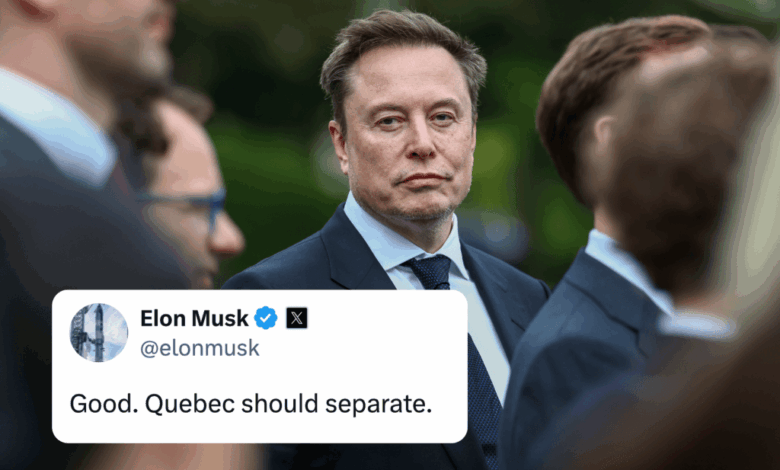
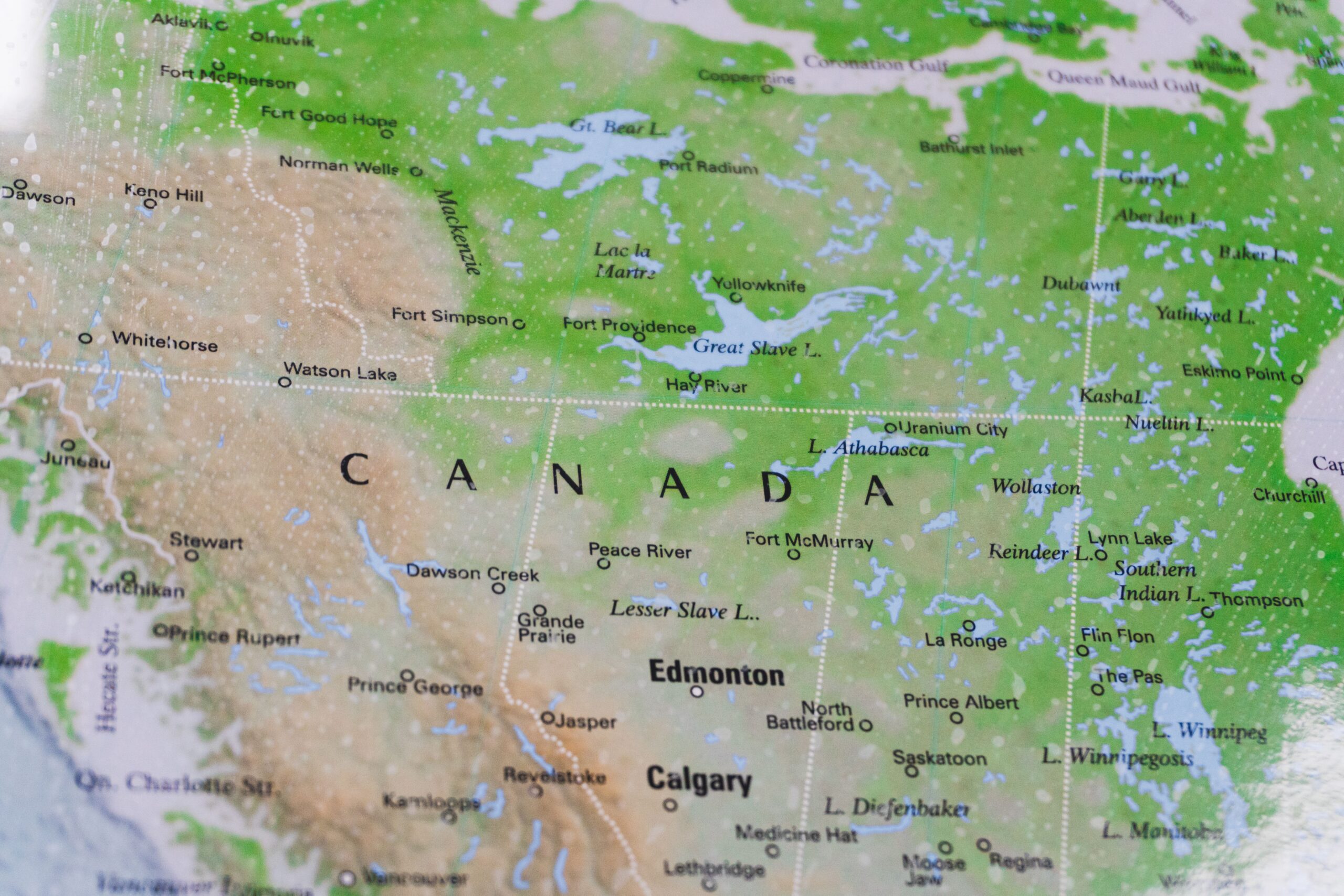
The controversy began when Musk responded to a post from prediction market Polymarket, which noted that Quebec’s newly elected premier had declared his dream of Québécois independence “will be realized one day.” In reply, Musk wrote, “Good. Quebec should separate.” He further expressed solidarity with other provinces, adding that “Alberta and Saskatchewan should separate too.” Musk also replied “True” to a post by Rebel News founder Ezra Levant, who claimed Quebec had “just handed power to a party that wants out of Canada.”
The PQ’s election win represents a dramatic comeback for the sovereignty-focused party, which had won only three seats in the 2022 election. Paul St-Pierre Plamondon is set to become the province’s next premier. In his victory speech, Plamondon stated his intention to make Quebec a country. He has promised to hold a third referendum on independence during his first term, although he specified that this would not occur until after U.S. President Donald Trump leaves office. On Tuesday, Plamondon indicated that a referendum is not among his immediate priorities, citing a focus on a homelessness summit, a salary freeze for elected officials and Crown corporation executives, and the creation of a new secretariat to review government spending.
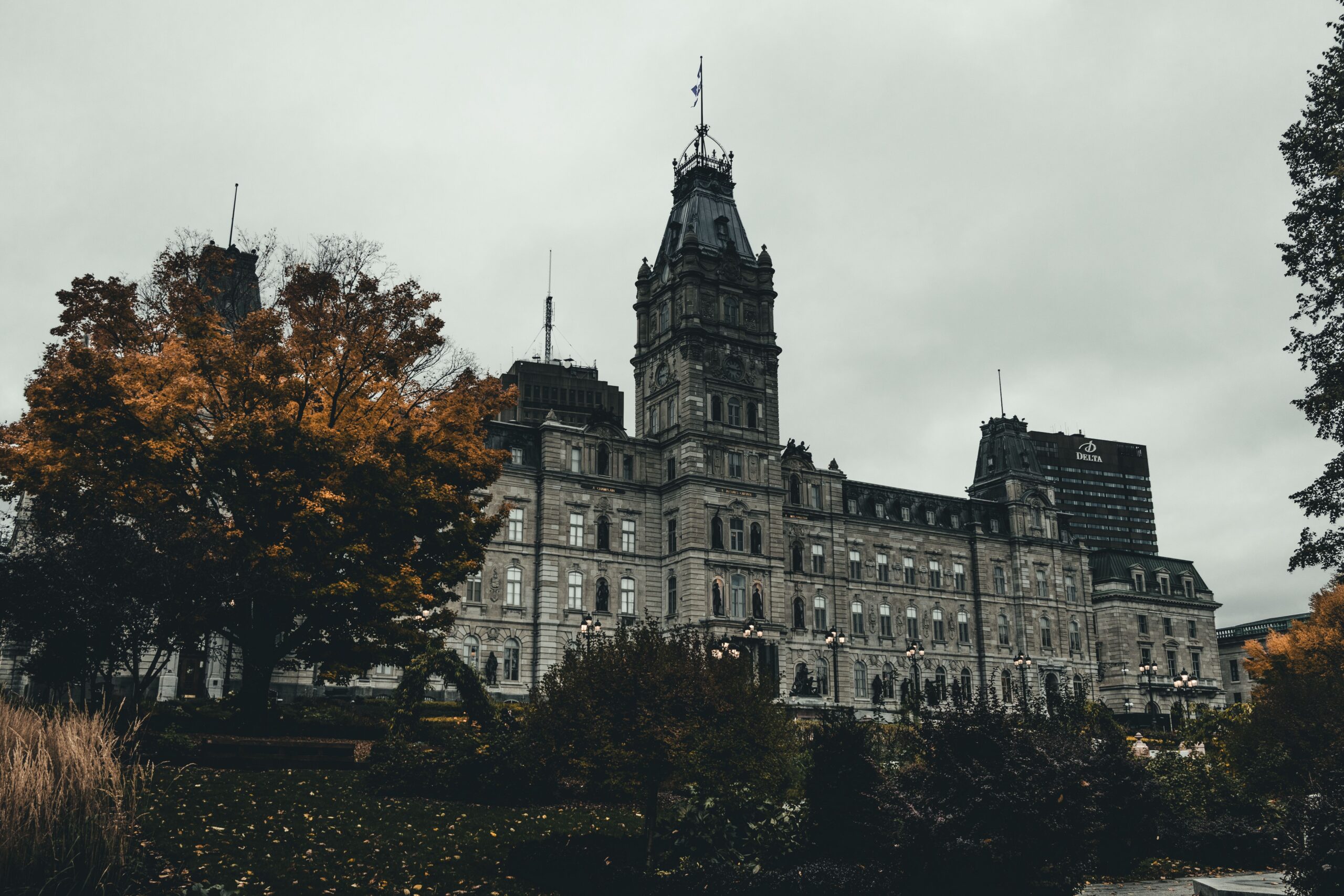
Musk’s intervention has generated a polarized reaction among Quebecers and political observers. Support for Quebec sovereignty is currently estimated at 30% according to the advocacy group Qc125. A study by the Angus Reid Institute identifies Quebec as the most anti-Elon Musk province in Canada. Many sovereigntists have expressed displeasure with the celebrity endorsement, with one user writing in French that they did not believe his support helped the cause. Another user stated, “We don’t care about his opinion,” while a third labeled the comments “bad news,” accompanied by a meme suggesting Musk take his opinions to Mars. Conversely, a smaller number of users thanked the 55-year-old for his support of the independence movement.
Musk has a documented history of engaging in political discourse on X, including the amplification of various political groups. His recent comments on Canadian provincial politics add a new dimension to the ongoing debate over national unity and sovereignty in Canada. The PQ, finishing with 59 seats, falls five seats short of a majority in the provincial assembly, meaning the new government will rely on support from other parties to pass legislation.
As the new government begins to take shape, the immediate agenda remains focused on domestic economic and social issues rather than constitutional questions. The potential for a future independence referendum remains a stated goal of the PQ leadership, but specific timelines are contingent on broader political conditions, including the tenure of the U.S. presidency.