From Bilateral Cooperation to Strategic Alliance
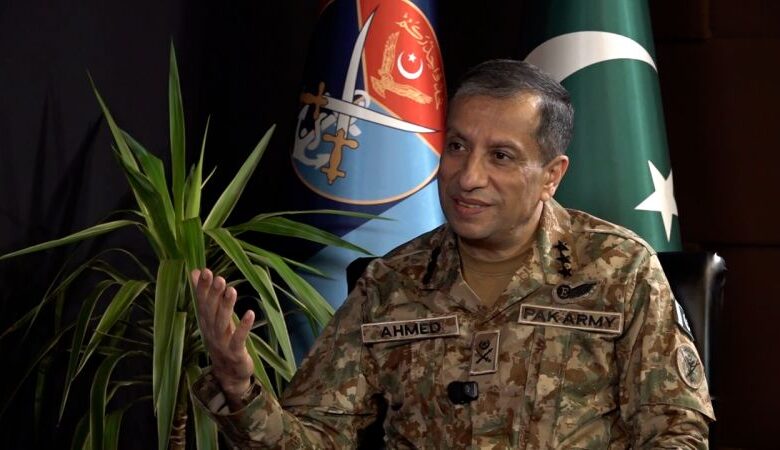
Chaudhry emphasized that the deployment is rooted in a sustained diplomatic, political, and military relationship that has existed for decades. “I can confirm that we, the forces of Pakistan, are already there [in the Kingdom]. That I can share with you,” Chaudhry said when questioned about the specifics of the alliance. He noted that Pakistani troops and multiple military capabilities have maintained continuous operations alongside Saudi counterparts for years, predating the formalization of the recent Mecca Joint Defence Agreement.
The remarks underscore a shift in the framing of this partnership. While the physical presence of troops is described as longstanding, the political institutionalization of this cooperation has received a significant boost through the Mecca Alliance for Defence. The alliance, which includes Pakistan, Saudi Arabia, and Türkiye, aims to address urgent security developments and threats directed at the Kingdom. Chaudhry stressed that the alliance did not emerge in a vacuum but rather solidified existing people-to-people and military ties into a more structured trilateral framework.
“Pakistani troops have been there for decades, and multiple capabilities have been there for decades in Saudi Arabia… This Mecca Alliance is not something that has come out in a vacuum. There is a sustained diplomatic, political, military relationship, people-to-people relationship between Pakistan, Saudi Arabia and Türkiye.” — Lieutenant General Ahmed Sharif Chaudhry
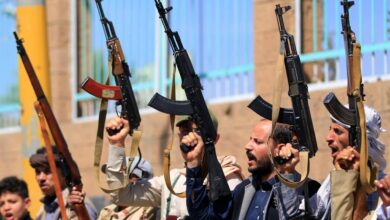
Responding to Houthi Threats
The confirmation of the deployment follows a high-level session of the Strategic-Political and Defence Committee of the Mecca Alliance, held in Riyadh on 5 October. Officials from the three nations convened to address the immediate security challenges posed by the Houthis. During the talks, the parties reaffirmed their shared rejection of attacks against Saudi Arabia’s sovereignty and territorial integrity.
The operational context for the Pakistani presence is clear. Under a bilateral agreement signed in September of the previous year, Islamabad dispatched a significant contingent to reinforce the Kingdom. This package included 8,000 ground troops, a fighter squadron, and air defence batteries. These assets are now operating within the broader strategic framework of the Mecca Alliance, which seeks to present a unified front against regional destabilization.
Strategic Implications of the Trilateral Pact
The inclusion of Türkiye in the alliance adds a new dimension to the security architecture of the region. By linking Pakistan’s military capabilities with those of Saudi Arabia and Türkiye, the Mecca Alliance creates a more complex and interconnected defence network. For Pakistan, this deepens its strategic engagement in the Gulf, moving beyond traditional bilateral aid to a formalized collective defence posture.
For Saudi Arabia, the presence of allied forces from Pakistan and Türkiye provides additional layers of security against asymmetric threats, such as the drone and missile campaigns launched from Yemen. The confirmation that these forces are “already there” serves to normalize the military footprint, signaling to regional adversaries that the defensive posture is robust, permanent, and backed by multiple sovereign states.
The distinction between the “longstanding” nature of the troop presence and the “recently established” formal alliance is crucial for understanding the current diplomatic landscape. While the hardware and personnel have been in place for some time, the political commitment to mutual defence has been codified. This evolution turns a bilateral security arrangement into a trilateral strategic partnership, with potential implications for deterrence and regional stability in the face of ongoing Houthi aggression.
As the Mecca Alliance continues to structure its operational and political mechanisms, the focus remains on the immediate threat environment. The next phase will likely involve further coordination on air defence integration and joint exercises, ensuring that the capabilities deployed in Saudi Arabia are interoperable and effective against the specific threat profiles posed by drone and missile attacks.