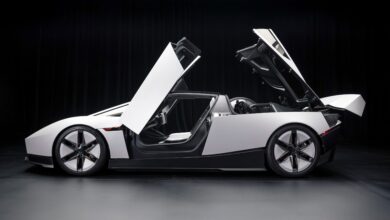
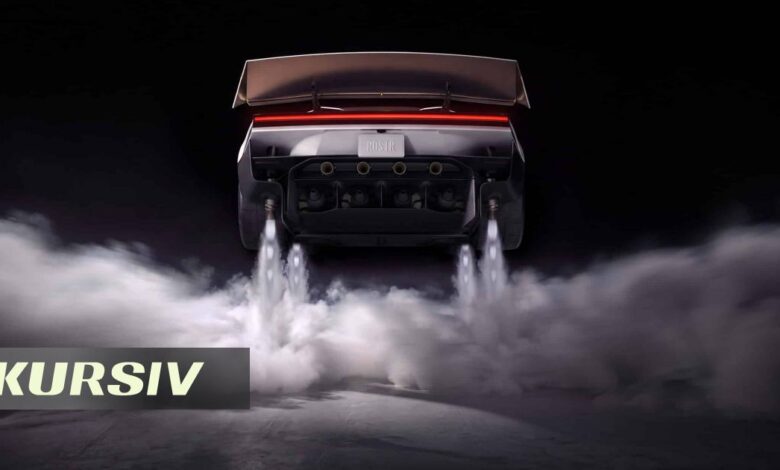
During the showcase, Tesla presented a redesigned Roadster equipped with propulsion technology developed alongside SpaceX. The demonstration included a 0–60 mph (97 km/h) run completed in 0.81 seconds, a significant improvement over the 1.9-second figure announced in 2017. The company also introduced three distinct versions: a two-seat Performance model, a two-seat Thrust augment, and an invitation-only Rocket variant. The Rocket version, which is explicitly not approved for public road use, features capabilities for aerial maneuvers, including turning while airborne, and carries a published claim of under 0.59 seconds for its acceleration metrics.
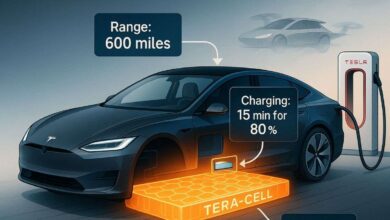
Technical specifications have shifted since the initial announcement. While the top speed for the Rocket variant is expected to exceed 230 mph (370 km/h), the estimated driving range has decreased to more than 300 miles (483 km), compared with the 620 miles (998 km) originally promised. Tesla has not provided a complete range certification or a separate top-speed table for all three configurations, and the 300-mile figure should not be interpreted as a certified EPA rating for every version. The company has reopened reservations with a $50,000 deposit requirement, though final purchase prices for the redesigned model have not been announced. The $250,000 deposit figure mentioned in some contexts refers to specific high-tier configurations or previous reservation structures, but current primary collection is centered on the $50,000 entry point.
The prolonged development timeline has resulted in some high-profile cancellations. OpenAI CEO Sam Altman, who previously sought a refund after years of delays, has abandoned his reservation, as has technology reviewer Marques Brownlee. The new design language, described as being inspired by the SR-71 and F-35, marks a departure from previous Tesla aesthetics. However, independent verification of the performance figures is currently lacking; the 0.81-second result was a manufacturer claim from the launch demonstration, and details regarding timing methods, tire specifications, and battery state have not been independently audited or fully disclosed for production-ready vehicles.
Tesla faces the task of translating these demonstration metrics into consistent production standards by the 2028 target date. The distinction between the demonstrated 0.81-second run and the sub-0.59-second Rocket claim remains a key differentiator between the road-legal and non-road-legal variants. As the company moves toward manufacturing, the focus will shift from prototype capabilities to the reliability and regulatory compliance of the final vehicles.