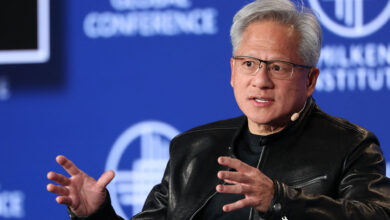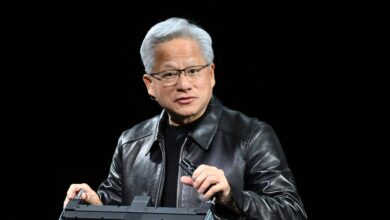
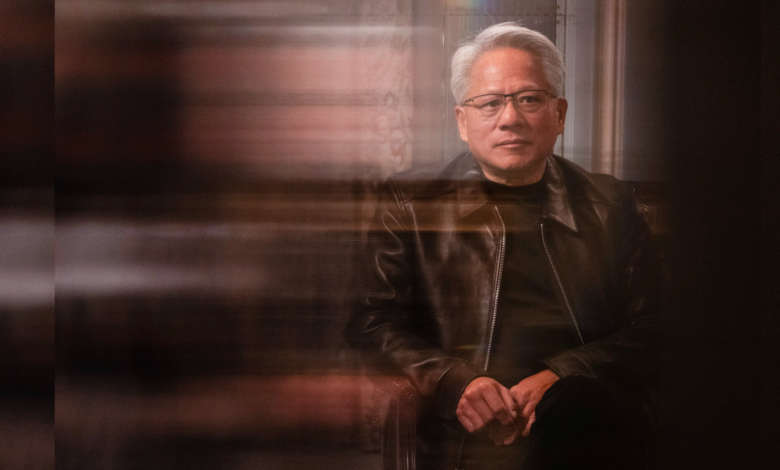
The allegation places the head of the world’s largest AI chip manufacturer at the center of a complex geopolitical struggle. Jensen Huang, an influential ally of President Donald Trump, occupies a pivotal role in the global competition for AI supremacy. Nvidia’s advanced graphics processing units (GPUs) are among the most sought-after technologies in the world, serving as the foundational infrastructure for large language models and other AI applications. The company’s growth has been a primary driver of the stock market over the past several years, making it a critical asset in the US economic and technological landscape. Consequently, the integrity of its leadership and the security of its technology are matters of national interest, not just corporate governance.
Alice Huang’s connection to the technology sector is rooted in her executive role at Megaspeed, a Singaporean firm. US intelligence believes Huang was recruited by the MSS, though the precise timeline remains unclear. It is not definitively established whether she was recruited before joining Megaspeed or after she had already established a business relationship with Jensen Huang. What is clear from the intelligence assessment is that her position allowed her to target the Nvidia chief to help Chinese companies gain access to banned AI chips. The relationship is described as romantic, a tactic often employed in espionage to build trust and lower defenses, creating a vector for intelligence collection that is difficult to detect through standard corporate security measures.
The implications of this alleged relationship extend beyond the personal sphere into a significant commercial and legal controversy involving Megaspeed. The firm has been accused of smuggling $2 billion worth of AI chips into China via its subsidiary, Speedmatrix. This alleged smuggling operation utilized a network of companies linked to China, bypassing the strict export controls imposed by the US government on high-performance computing hardware. Megaspeed, founded in 2023, was reportedly owned by Huang Le Limited, led by Ms. Huang Le, before being sold to Swiftdata that same year. The following year, Megaspeed used Speedmatrix to incorporate, establishing two offices in Johor, Malaysia. This subsidiary is cited as the central node in the smuggling allegations, leveraging its geographical position to move prohibited hardware across borders.

Nvidia has maintained that it has no ties to China in this context, distancing itself from the alleged illicit activities of Megaspeed. However, the company’s advanced chips remain the target of such diversion efforts. The web of entities surrounding Megaspeed includes previous connections to a Chinese gaming company called 7Road International, adding layers of complexity to the corporate structure. Research into Huang Le’s background has revealed inconsistencies, with reports suggesting she started her career as a TV journalist for Hunan TV and Chinese state broadcasters. This background aligns with the profile of an individual who might be recruited for intelligence work, leveraging professional skills in communication and relationship building.
The significance of this development lies in the intersection of personal relationships and national security technology. While US intelligence sources assert that the relationship was part of a state-sponsored operation, the specific mechanics of how information was shared or how influence was exerted on Nvidia’s strategic decisions have not been fully detailed in public reports. The memo’s circulation among top policymakers indicates that the US government viewed this threat as significant enough to warrant high-level attention. The potential for a single executive to be compromised by a romantic relationship with a foreign agent underscores the vulnerabilities in the protection of critical technology infrastructure.
For the broader technology industry, this incident raises questions about the security protocols surrounding high-profile executives in the AI sector. As AI chips become increasingly central to national security strategies, the risk of targeted espionage against company leaders rises. The case of Alice Huang and Megaspeed suggests that adversaries are willing to combine traditional human intelligence (HUMINT) techniques with commercial smuggling networks to achieve their goals. While the $2 billion figure represents the scale of the alleged smuggling, the potential strategic damage from influencing Nvidia’s product availability or export compliance could be far more profound.
Currently, there is no public confirmation from Nvidia regarding the personal relationship or any internal security breaches resulting from it. The narrative remains grounded in US intelligence assessments and reports from the *Financial Times*. The situation highlights the intense scrutiny the AI industry faces, where the boundary between commercial competition and state-sponsored intelligence gathering is increasingly blurred. As the US and China continue to compete for dominance in artificial intelligence, the protection of key figures and technologies will likely become a priority, with implications for how companies manage their executive security and supply chain integrity.
The unresolved technical and commercial issue remains the extent to which Megaspeed’s operations affected the global supply chain of Nvidia’s most advanced chips. While the $2 billion accusation points to a significant diversion of hardware, the intelligence community’s focus on the “honeypot” aspect suggests that the goal was also to extract strategic insights or policy influence. The next confirmed development will likely depend on further investigative findings regarding the flow of funds and hardware through Speedmatrix and the broader network of entities linked to Huang Le. Until then, the case stands as a stark example of the human element in technological espionage, where a personal relationship becomes a conduit for state-level strategic objectives.