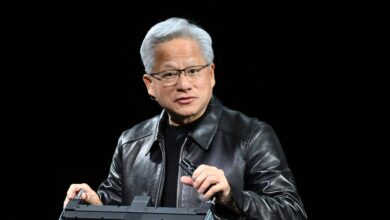
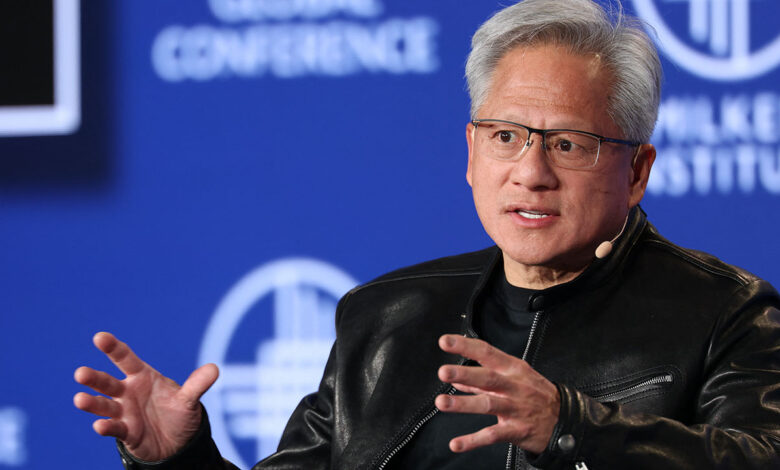
The move comes in the wake of a multifaceted scandal involving Huang’s personal conduct and potential foreign intelligence exposure. On Sunday, Huang admitted to being unfaithful to his wife in a relationship with a woman whom US intelligence reportedly identified as a Chinese intelligence asset. Subsequently, The New York Times reported that Huang also maintained an extramarital relationship with Kimberly Powell, Nvidia’s vice president of healthcare, who reports directly to him.
In response, Nvidia launched an independent investigation into whether Huang was targeted by a foreign intelligence effort. The company’s board stated that it has no reason to believe that national security interests or company secrets have been compromised, but added that it would examine all available information. Huang has acknowledged falling short of his responsibilities to the company and pledged to cooperate fully with the investigation.

The revelation has had immediate and severe consequences for Nvidia’s financial standing. The stock lost more than $427 billion in market capitalization during the first two trading sessions following Huang’s disclosure and the announcement of the board investigation. Shares also dropped approximately 8% in after-hours trading on Wednesday as news of the potential leadership shake-up spread. The volatility reflects deep uncertainty among investors regarding the stability of the company’s leadership during a critical period in the AI industry.
Wall Street analysts have reacted swiftly, downgrading their outlooks for the chipmaker. Baird downgraded Nvidia’s stock to “neutral,” citing the uncertainty surrounding Huang’s tenure, potential softness in demand, and limited visibility into data center spending for 2027. Morgan Stanley removed Nvidia from its “Top Pick” list, though it maintained an “overweight” rating. Similarly, Bank of America Global Research dropped the company from its “U.S. 1 List,” a designation reserved for the firm’s most confident stock recommendations.
Huang, who co-founded Nvidia in 1993, has led the company for more than three decades. Under his guidance, Nvidia transformed from a graphics card maker for the gaming industry into the dominant force in AI infrastructure, supplying the specialized chips and systems that power large language models and data centers. His departure, if confirmed, would mark a historic shift in the company’s trajectory and leadership structure.
The scandal has also drawn attention to broader security concerns in the technology sector. A former FBI agent warned that Silicon Valley has become a “center for espionage,” highlighting the heightened stakes of personal conduct at the helm of companies holding sensitive intellectual property and geopolitical significance. While the board insists no secrets were compromised, the investigation underscores the intense scrutiny placed on executives of major tech firms, particularly those with access to cutting-edge technology and sensitive data.
A representative for Nvidia did not immediately respond to requests for comment. As of Wednesday, the board had not yet made a final decision on Huang’s fate, but the involvement of outside firms in searching for successors suggests that the process of transitioning leadership is already underway. The outcome of the independent investigation and the board’s final decision are expected to be pivotal in determining Nvidia’s future stability and market confidence.