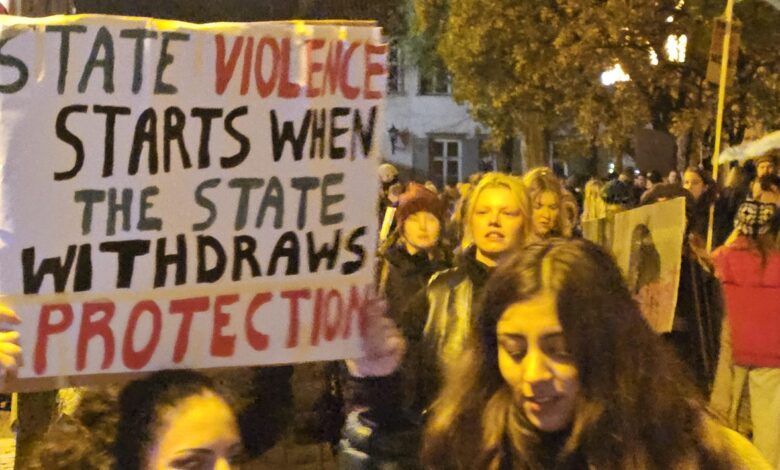
If the President signs the bill, Latvia will become the second country globally to leave the treaty, following Türkiye’s widely condemned exit in 2021, and the first country within the European Union to withdraw from a major Council of Europe human rights instrument. Amnesty International described the potential withdrawal as a “devastating blow” to the protection of women, girls, and anyone facing domestic violence. Monica Costa Riba, the organization’s Senior Campaigner on Women’s Rights, stated that the move sends a “reckless and dangerous message” to perpetrators that they can act with impunity. She urged the President to exercise his veto and instead advance measures to ensure the full implementation of the convention.
The Istanbul Convention, adopted by the Council of Europe in 2011 and entering into force in 2014, is the first binding European treaty specifically targeting violence against women. It sets minimum standards for prevention, protection, prosecution, and integrated policy development. The treaty entered into force in Latvia in May 2024 after its ratification in November 2023. To date, 39 Council of Europe member states have ratified the convention, while 45 have signed it. The European Union itself ratified the treaty in June 2023. Only Armenia, Azerbaijan, Bulgaria, the Czech Republic, Hungary, Lithuania, and Slovakia have not yet joined the convention.

Amnesty International claims the Latvian withdrawal is driven by “powerful anti-rights groups” spreading disinformation to demonize gender equality and the rights of LGBTI people. The organization asserts that these groups are using the convention as a target to resist further assaults on women’s rights across Europe. While the source material does not provide specific statements from the Latvian government or parliamentary leaders regarding their specific objections, it notes the decision has been characterized by rights advocates as part of a broader backlash against gender equality safeguards in the region.
This development follows similar legislative actions in other European nations, such as Hungary. The Hungarian parliament previously rejected the ratification of the Istanbul Convention, citing government declarations that the treaty promoted “destructive gender ideologies” and “illegal migration.” Hungarian officials, including lawmakers from the ruling Fidesz party and its coalition partner, the Christian Democrats, argued that existing national laws already address domestic violence and that the treaty’s references to gender and refugee obligations were contrary to the national legal order. In contrast to Latvia, which is exiting a treaty it had ratified, Hungary had signed the convention in 2014 but stalled on ratification, leaving its legal status distinct from a formal withdrawal.

The next step in the Latvian process is the President’s decision on whether to veto the parliamentary vote or allow the withdrawal to proceed, a move that would trigger complex diplomatic and legal repercussions within the European Union and the Council of Europe.