

The central practical effect of the Act is the creation of a mandatory on-site response protocol for immobilized or hazardous AVs. Manufacturers of all AVs operating without a physically present human operator must ensure local incident technicians are immediately dispatched in two scenarios: when an AV is involved in a crash or incident that immobilizes the vehicle, obstructs traffic or emergency access, creates a roadway hazard, or requires on-site assistance for removal; or when requested by an emergency response official or 911 dispatch center. The DMV is directed to adopt guidelines establishing reasonable response time standards for these technicians by the law’s operative date.
Technical requirements for remote operations vary based on vehicle classification. For all AVs, manufacturers must keep “remote assistants”—individuals who provide information or advice but do not drive the vehicle—available to respond to deployed AV issues. However, for “remote drivers” who perform all or part of the dynamic driving task fallback, the Act imposes strict geographic and licensing requirements. These individuals must be located within the U.S. and hold a driver’s license valid for operating vehicles in California. This distinction separates advisory roles from active remote control roles, tightening oversight on the latter.
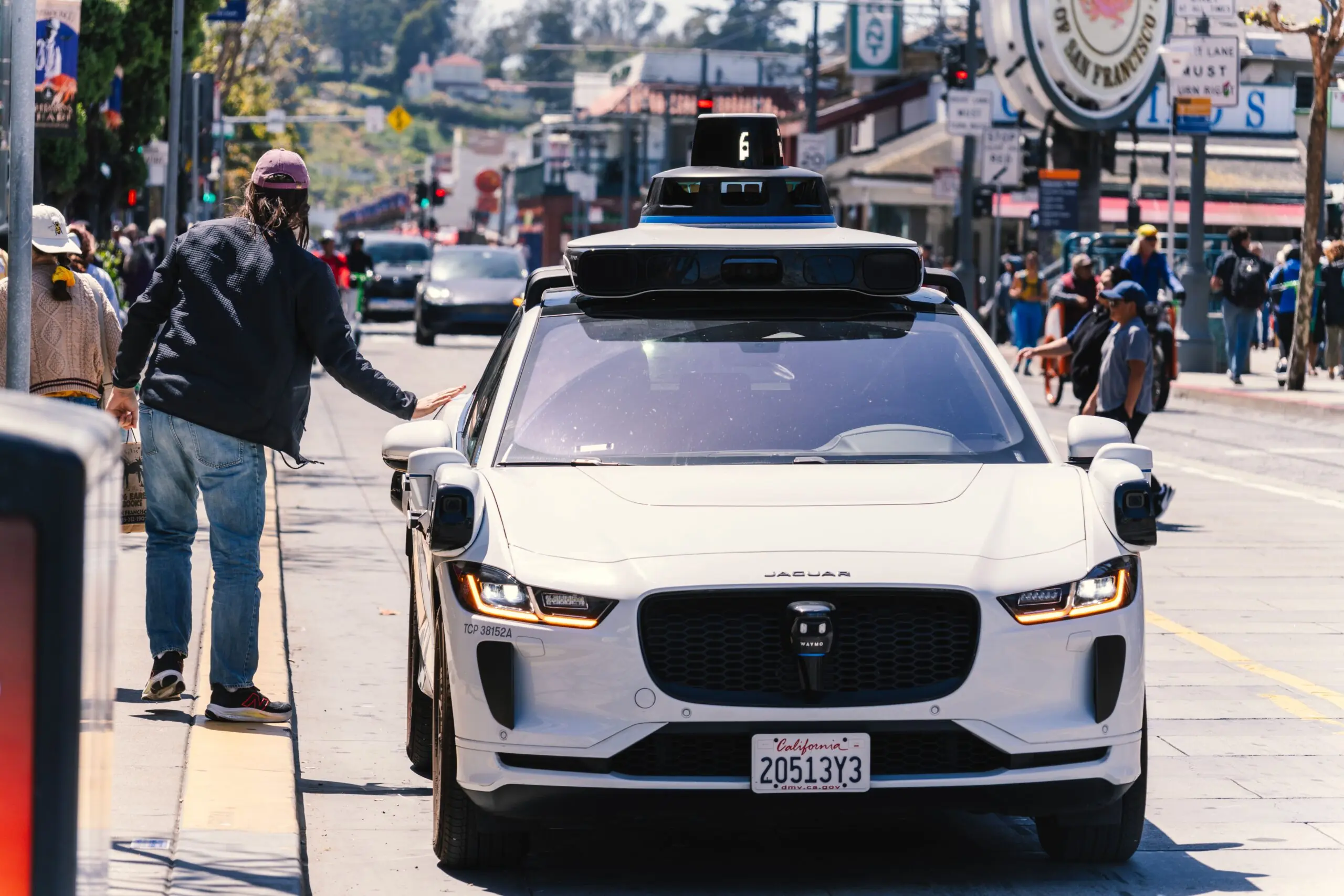
Specific provisions apply exclusively to commercial AVs that lack manual controls or a manual override system. Manufacturers of such vehicles must ensure that remote assistants or drivers can place the AV in neutral to allow emergency officials to move the vehicle, direct the AV to move as instructed, or turn the vehicle off to keep it stationary. If the AV cannot be relocated remotely, the manufacturer must immediately dispatch a local incident technician or a tow operator. These commercial-only provisions also include a $10,000 penalty for obstructions, a figure not applicable to non-commercial AVs.
The legislation expands on existing California law, which already requires manufacturers operating AVs without human operators to maintain a dedicated emergency response telephone line for officials. SB 1246 adds requirements for manufacturers of all AVs, regardless of operator presence, to respond to “fleetwide emergencies or system failures.” While the provided source material does not detail the specific actions required for these fleetwide events, it confirms the scope extends to all manufacturers, not just those operating driverless fleets.

Recent regulatory context includes the DMV’s ban on Waymo’s robotaxis from California freeways after reports of vehicles entering construction zones and attempting to bypass California Highway Patrol vehicles. The new law grants the DMV authority to adopt rules ensuring safe interaction between commercial AVs and emergency response officials. As the DMV continues to regulate the sector, the July 1, 2028, date marks the deadline for full compliance with these safety, staffing, and response protocols.




2 Comments