
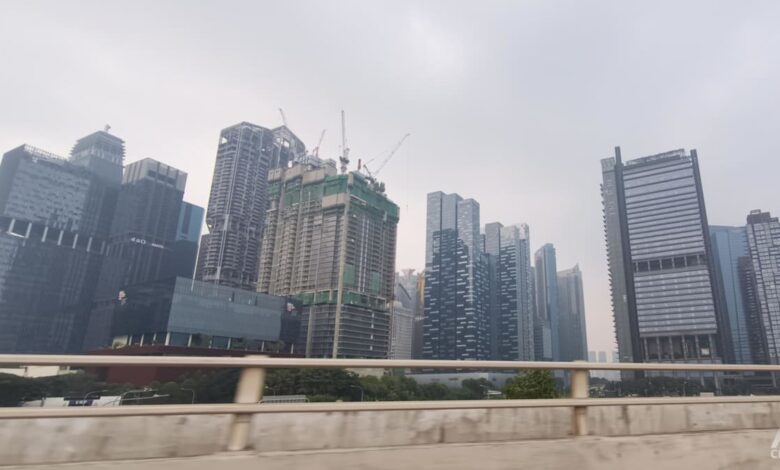
The deterioration began in the late afternoon. By 6:00 pm, the 24-hour PSI across the country ranged from 68 to 94, remaining within the moderate band. However, hourly PM2.5 concentrations had already risen to between 64 and 138 micrograms per cubic meter, placing most regions in the “Elevated” band (Band 2). By 9:00 pm, the western, southern, and central regions crossed the threshold into the unhealthy range, defined as a PSI between 101 and 200. The northern and eastern regions remained in the moderate range during this period, with 24-hour PSI readings ranging from 75 to 94 at 9:00 pm.
Weather Patterns and Haze Sources
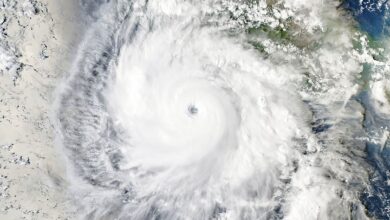
The National Environment Agency (NEA) attributed the elevated pollution levels to moderate to dense smoke haze originating from fires in southern Sumatra and Kalimantan. Dry conditions are expected to persist in these Indonesian regions, creating a favorable environment for continued fire activity and smoke generation. Although brief showers occurred over the northern and eastern parts of Singapore on the afternoon of September 28, they were insufficient to clear the haze blanket across the entire island. Prevailing winds are forecast to blow from the east or southeast, a pattern that consistently transports smoke plumes from the Indonesian archipelago toward Singapore.

The air quality situation on September 28 followed a brief improvement on September 27. Heavy thundery showers on Sunday afternoon helped push PSI readings back into the moderate range, with the western, eastern, and central regions exiting the unhealthy band between 3:00 pm and 11:00 pm. By 8:00 am on September 28, the 24-hour PSI ranged from 62 to 77, and hourly PM2.5 levels were in the normal band. This temporary respite was short-lived, as the return of dry winds and regional fire activity caused readings to climb sharply within hours.
Health Advisories and Forecasts
Health impacts from haze depend on an individual’s health status, the PSI level, and the duration of outdoor exposure. The NEA advises that healthy individuals should reduce prolonged or strenuous outdoor physical exertion when the 24-hour PSI is in the unhealthy range. Vulnerable groups, including the elderly, pregnant women, children, and persons with chronic lung or heart disease, are urged to minimize or avoid such activities entirely. For immediate outdoor activities, the agency recommends checking the one-hour PM2.5 readings, which provide a more current indicator of air quality than the 24-hour average.
Looking ahead, the NEA forecasts the 24-hour PSI to remain in the high moderate to mid-unhealthy range for the next 24 hours. While some showers are predicted for Singapore on Tuesday, the agency warns that a risk of smoke haze persists due to the prevailing wind direction. The full extent of the smoke plumes could not be determined in some areas due to extensive cloud cover, which limits satellite visibility of the haze distribution. Residents are advised to monitor real-time data through official channels to plan their daily activities safely.