

These stones, or *Hungersteine*, were created by communities living along Europe’s major waterways for centuries. Unlike high-water marks, which record flood peaks, hunger stones record the lowest water levels. When the rivers dropped significantly during periods of severe drought, residents carved dates, initials, and sometimes engraving of the water line onto the exposed rocks. The practice served a practical purpose: it documented conditions that threatened navigation, agriculture, and daily livelihoods. For day laborers who towed ships and workers on barges, low water meant lost income and the threat of starvation, hence the name “hunger stone.”
The current drought has exposed these markers in multiple locations, including Leverkusen near the Rhine and Dolni Zleb in the Czech Republic. The visibility of these stones highlights the intensity of the present hydrological crisis. This summer, Europe has experienced its hottest June-July period in recorded history. In Hungary, water levels along the Danube near Budapest have dropped to as low as nine inches, a level that has transformed deep river channels into walkable terrain.
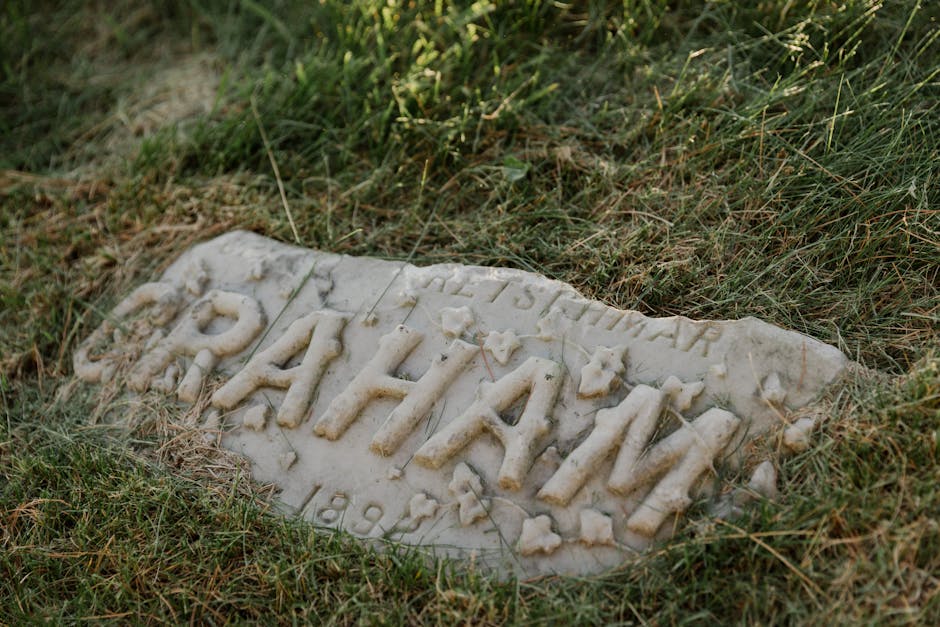
The scientific value of these markings has been increasingly recognized by researchers. A 2020 study published in the journal *Climate of the Past* analyzed inscriptions on the fame Decin stone in the Czech Elbe. The study found that 11 measurements inscribed between 1868 and 1957 closely matched documented water level figures from other sources, differing by only a few centimeters. This accuracy suggests that the stones functioned as precise hydrological instruments rather than mere symbolic reminders. Rudolf Brazdil, a Czech historian and climatologist, has further utilized such records, alongside chronicles and administrative documents, to reconstruct drought conditions in the pre-instrumental period, providing insight into how communities managed water scarcity long before modern meteorology.
The most famous inscription belongs to a stone in Decin, where the waters have receded to reveal a chilling message carved in 1904 by F. Mayer, a local boatman and innkeeper: “Wenn du mich siehst, dann weine,” which translates to “If you see me, weep.” Mayer reportedly set up a beer tap to charge tourists to view the stone, drawing crowds daily. While the message has become a media symbol of impending hardship, the stone itself bears markings dating back to at least the 16th century, recording a long history of extreme dryness.
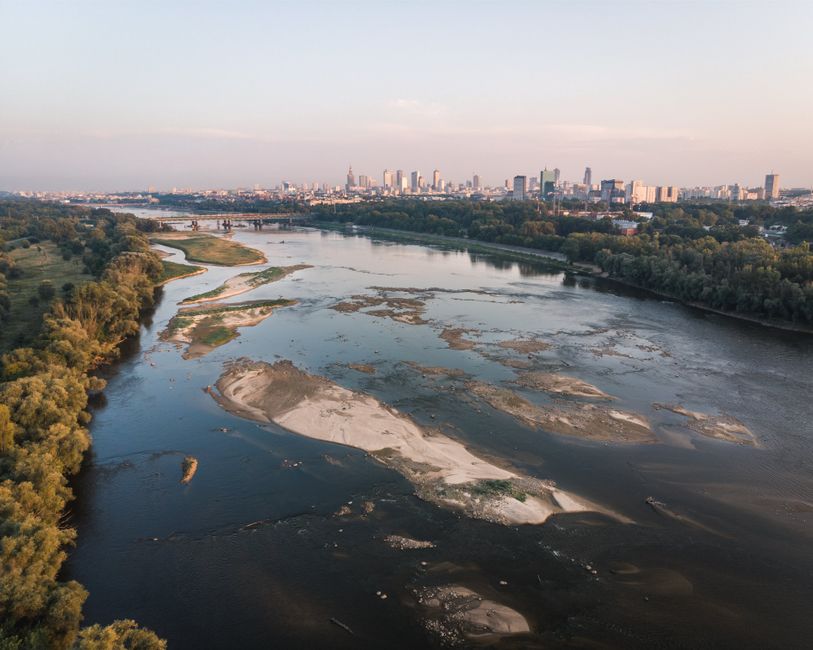
The low water levels are revealing far more than historical warnings. The receding rivers have acted as an archaeological excavation site, exposing artifacts from various eras. In Hungary, archaeologists from the Intercisa Museum identified a limestone altar dedicated to the Roman god Jupiter near Szalki Island on the Danube. In Bulgaria, near the town of Ryahovo, experts identified bone fragments of a woolly mammoth, including a jawbone, tusks, and ribs. These 8-ton behemoths died out in Europe more than 10,000 years ago, yet their remains are now being carefully excavated from the dry riverbed. Additionally, remnants of Nazi warships scuttled toward the end of World War II have re-emerged along the Danube border between Serbia and Romania, alongside unexploded ordnance and Bronze Age timber foundations in Italy.
While the discovery of these artifacts provides a glimpse into the past, the primary significance of the hunger stones lies in their present-day warning. The stones serve as a physical testament to the frequency and severity of historical droughts. As climate measurements indicate a warming trend, the recurrence of these historic low-water marks raises questions about the future frequency of such events. The stones remain in the riverbed, waiting for the water to rise, but their current visibility underscores that the threats they were carved to remember are no longer just historical curiosities, but active environmental realities.
