
The WHO has not yet determined the cause of death but has cited initial, unconfirmed reports suggesting pneumonic plague. Through the International Health Regulations, Russian health officials reported that a full range of preventive measures had been implemented, including the tracing of 200 contacts, medical monitoring, and laboratory testing. A statement relayed by the WHO noted that test results showed no presence of dangerous infectious disease pathogens in any of the contacts and that medical monitoring for 100% of the contacts has concluded. Russian officials described the epidemiological situation as stable and under monitoring.
However, the discrepancy between the official messaging and the physical response on the ground has prompted expert concern. Dr. Emily Landon, an infectious disease specialist and epidemiologist at the University of Chicago, noted that the measures taken—such as the quarantine of a nearby hospital and extensive disinfection of the deceased’s residence—do not align with the standard protocol for an isolated case of wild-type pneumonic plague. “The usual response to a case of pneumonic plague is not what we’re seeing happening on the ground in Siberia,” Landon said. She suggested that the response resembles that of a high-consequence pathogen, which is typically defined by easy transmission, high mortality, and a lack of readily available treatments, characteristics that plague does not possess due to the availability of antibiotics.
Pneumonic plague, caused by the bacterium Yersinia pestis, is a severe form of pneumonia that spreads from person to person via respiratory particles. Unlike bubonic plague, which is transmitted through flea bites from infected rodents, pneumonic plague can cause symptoms such as shortness of breath and coughing up blood within 24 hours of exposure. While the disease was responsible for the 14th-century Black Death, which killed up to 50% of the population in affected areas, it is now treatable with antibiotics if detected early. The WHO emphasizes that recovery rates are high when treatment is administered in a timely manner.
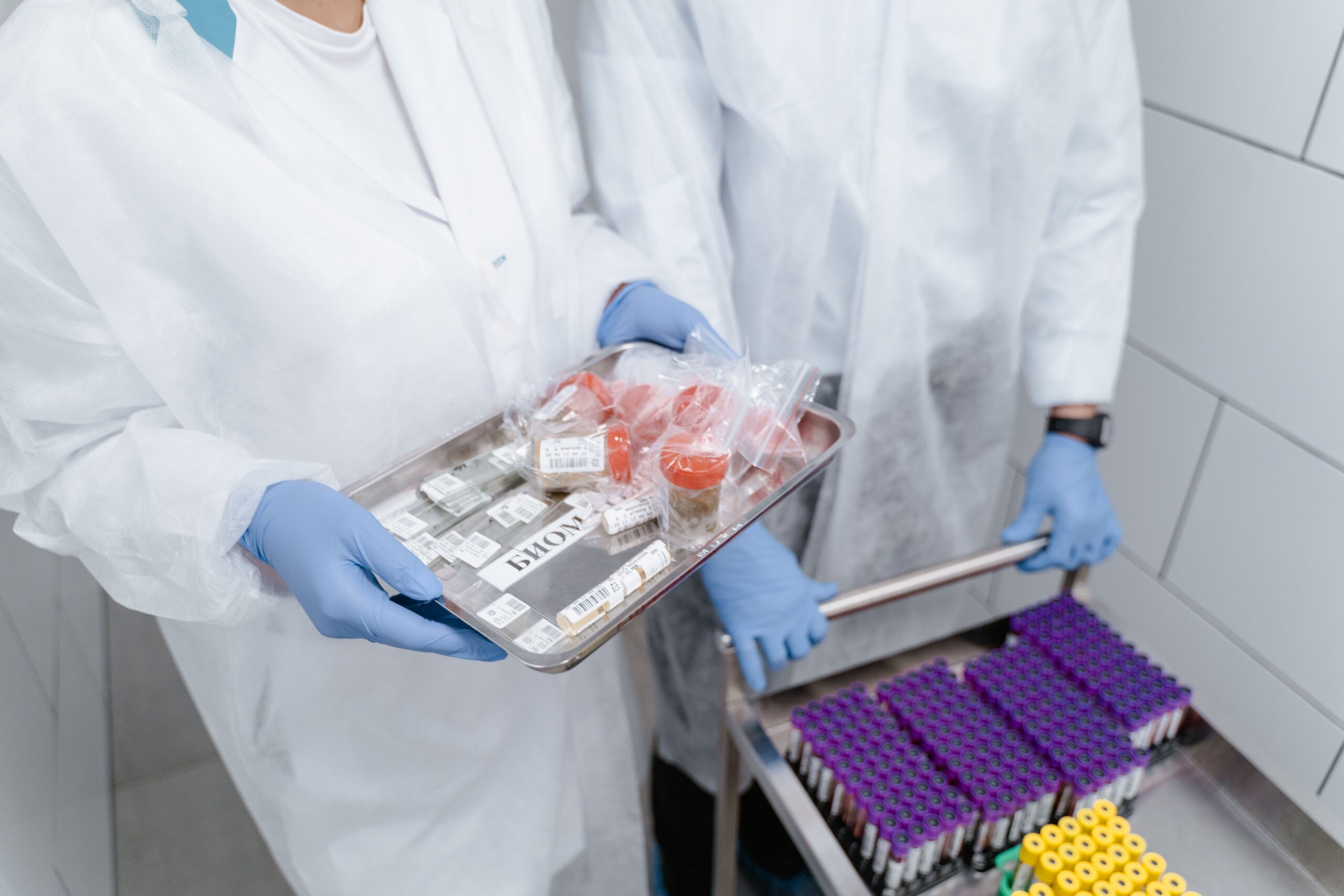
The lack of transparency from Russian state media, which has largely avoided covering the incident or withdrawn earlier reports, has complicated the risk assessment. WHO Director-General Tedros Adhanom Ghebreyesus stated that the agency is unable to conduct a full risk assessment without the complete picture. He confirmed that the WHO has requested more information regarding the laboratory tests conducted on the deceased, the health status of the contacts, and the specific triggers for the public health measures. The agency is also investigating reports that a second employee at the institute contracted pneumonia.
Despite the uncertainty, experts caution against panic. Landon noted that the quarantine and isolation measures are appropriate and exactly what would be required if there were a high-consequence pathogen threat. “I definitely wouldn’t panic,” she said. The situation remains under close international observation, with the WHO continuing an iterative process of questioning Russian authorities to clarify the cause of death and the nature of the pathogen involved.