
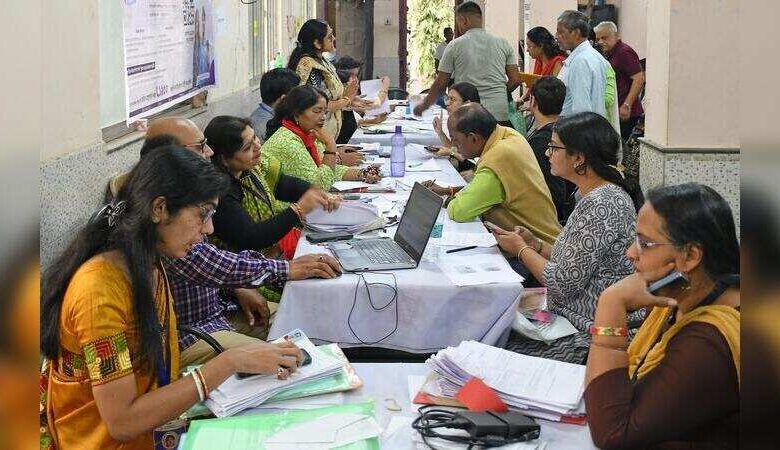
The intervention follows recent hearings at the Supreme Court, where petitions were heard against Chief Election Commissioner Gyanesh Kumar over alleged unilateral decisions regarding the large-scale revision of voter lists. These legal proceedings have intensified pressure on the ECI to demonstrate procedural transparency. In West Bengal, the complexity of the situation is underscored by the specific query raised by the state’s CEO, who sought clarification on whether the 3.8 million voters with unresolved appeals in state appellate tribunals could be included in the new re-enrolment drive. An ECI official indicated that this specific issue would be discussed at a later date, leaving the West Bengal CEO without a definitive answer regarding the immediate restoration of these individuals to the electoral roll.
The controversy stems from the Additional Special Deletion Drive (ASDD) categories, which critics argue resulted in the wrongful removal of eligible voters. During the initial draft roll phase in West Bengal, over 5.82 million names were deleted. By the conclusion of the revision process, total deletions had climbed to nearly 9.1 million. In response to the initial fallout, the West Bengal CEO had previously notified certain categories of deleted voters that they could apply for re-inclusion using Form 6, either online or through booth-level officers. However, the subsequent announcement of a one-month window for enrolling eligible voters, combined with the new special drive, aims to address the backlog of omissions more proactively.
Uncertainty remains regarding the administrative capacity to resolve the existing backlog. Of the 3.831 million appeals filed in West Bengal’s tribunals, only 126,000 have been resolved to date. The operational strain on the judicial mechanism is further highlighted by the resignation of at least three retired judges from the tribunals established by the ECI in March. These judges cited various operational issues, leaving 16 of the 19 tribunals still active. Civic organizations and opposition parties maintain that many eligible voters have been unfairly disenfranchised, arguing that the current pace of resolution is insufficient to restore confidence in the electoral process before upcoming polls.
The political ramifications of the voter roll revision have extended beyond administrative paperwork into public protest. In New Delhi, demonstrations were held demanding the resignation of Chief Election Commissioner Gyanesh Kumar. The protests, which took place on October 3, were accompanied by allegations of misconduct by police personnel. Three women journalists covered the event alleged they were sexually harassed by police while working, with one alleging that an assistant commissioner of police groped her. In response, Delhi Police stated that the complaints were referred to the Crime Branch for a “fair and impartial enquiry.” On October 5, several protesters were detained outside the Parliament Street police station after staging an overnight demonstration. The protesters demanded an examination of CCTV footage regarding the alleged harassment and the registration of a First Information Report (FIR). One protester noted that authorities had not provided the footage or registered an FIR, leading to their detention.
The intersection of legal challenges, administrative revisions, and public protest places the ECI at the center of a significant governance crisis. The Commission’s recent order to expedite the special drive represents an attempt to mitigate the impact of the deletions, but the lack of clarity on the status of the millions of pending tribunal appeals in West Bengal remains a critical unresolved issue. As the Supreme Court continues to examine the legality of the decisions taken by the CEC, the ability of the electoral body to restore trust in the integrity of the voter rolls will be a determining factor in the political stability of the region. The next phase of this development will hinge on the ECI’s response to the West Bengal CEO’s inquiry and the outcome of the ongoing Supreme Court hearings.