Public Execution and Operational Details
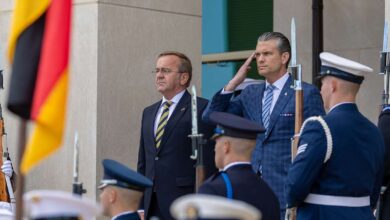
In a departure from previous military justice practices, Defense Secretary Hegseth announced that the execution will be public. Speaking to a conservative television outlet, Hegseth indicated that the event would be live-streamed, a move that underscores the administration’s stance on accountability for violent acts against U.S. service members. The Secretary of the Army is tasked with setting the specific time and location for the execution, which must occur within 150 days of presidential approval and no sooner than 60 days, in accordance with Army policy.
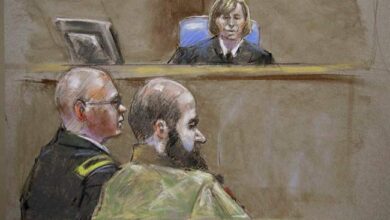
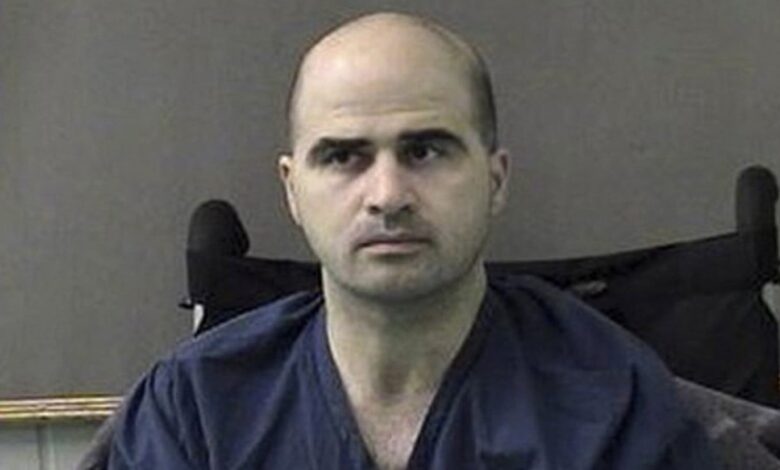
Hasan, a U.S.-born Muslim of Palestinian descent, was sentenced to death by a military jury in 2013. He was convicted of 13 counts of premeditated murder and 32 counts of attempted murder. During his trial, Hasan chose to conduct his own defense, calling no witnesses and making no attempt to deny the charges. Court-appointed defense attorneys had expressed concern at the time that Hasan was actively seeking execution. He is currently held at a military detention center at Fort Leavenworth, Kansas, and is one of four death row inmates in the Army justice system.
The 2009 Attack and Strategic Context
On November 5, 2009, Hasan opened fire at the Soldier Readiness Processing Center at Fort Hood. The base served as a critical staging point for soldiers deploying to combat zones in Iraq and Afghanistan. The attack resulted in the deaths of 12 soldiers and one civilian, with 30 soldiers and two others wounded. Hasan was shot and partially paralyzed by a civilian police officer who responded to the scene before being arrested.

The military court was informed that Hasan was opposed to the U.S. military’s occupations in the Middle East and had communicated online with Anwar al-Awlaki, an al-Qaida propagandist and American citizen who was later killed in a U.S. drone strike in Yemen. The motive behind the attack has been a subject of significant scrutiny, with the FBI having concluded in other similar incidents that violence was often inspired by foreign terrorist groups, though Hasan’s specific legal conviction focused on premeditated murder rather than terrorism charges in the military court.
“The Secretary of the Army will set the time and place of the execution. Judgement day for Hasan has finally come,” Pentagon spokesperson Sean Parnell stated.
The announcement of this execution follows internal Army planning documents, reportedly issued in February 2025, which outlined preparations for military executions. These internal plans, dubbed “Operation Resolute Justice,” directed Army officials to coordinate with the Federal Bureau of Prisons regarding the transfer of condemned prisoners. While the initial plan involved coordination with federal execution facilities, the final decision has been to carry out the execution within the military jurisdiction at Fort Hood itself.
Broader Implications for Military Security
Mass shootings at military facilities remain a rare but persistent security concern. In recent years, several incidents have highlighted vulnerabilities within U.S. military installations. In 2025, a soldier wounded five fellow troops at a base in Georgia before being apprehended. Previous years saw incidents in Hawaii, Florida, Tennessee, and at the Washington Navy Yard, where varying numbers of military personnel and civilians were killed or injured. These events have prompted ongoing reviews of base security protocols and the vetting processes for personnel with access to sensitive staging areas.
The execution of Hasan represents a significant legal and military milestone. It is the first time in over six decades that the U.S. military has carried out a death sentence. The decision to hold the execution at the site of the original attack and to broadcast it publicly signals a strong institutional message regarding the consequences of violence against the armed forces. As the Army prepares for the December 3 execution, the focus remains on the procedural integration of military justice with executive authority, a framework that has not been exercised in such a high-profile manner for several generations.