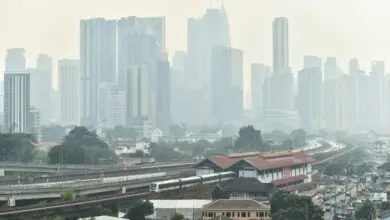
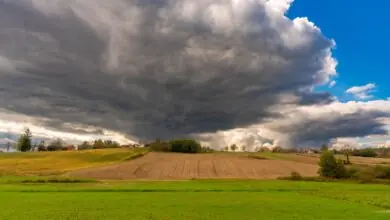
The shift from an outdoor stadium setting to an indoor location is a direct operational response to the meteorological conditions associated with Hurricane Isaias. While specific details regarding the duration of the storm’s impact or the precise wind speeds at the time of the broadcast were not included in the initial announcement, the decision to relocate indicates that weather forecasts presented a significant risk to the safety of viewers, talent, and equipment, or to the stability of the outdoor production infrastructure.
“College GameDay” is a long-running, high-profile television program that traditionally airs outdoors on the day of major college football matchups. The show relies on open-air venues to capture the atmosphere of the game and to interact with fans in a public setting. Moving indoors represents a substantial departure from this standard format, requiring adjustments to camera setups, audio engineering, and crowd engagement dynamics. Such changes are typically reserved for extreme weather events that cannot be mitigated by standard production contingencies.
Hurricane Isaias serves as a case study in how climate-related extreme weather events are increasingly influencing sectors beyond traditional infrastructure and public health. The entertainment and sports industries, which often depend on predictable seasonal weather patterns to plan outdoor events, face growing uncertainty as the frequency and intensity of tropical cyclones are monitored by meteorological agencies. While this specific broadcast change is an operational decision based on immediate safety assessments, it reflects a broader trend where event planners and media organizations must integrate real-time weather data into their logistical frameworks.
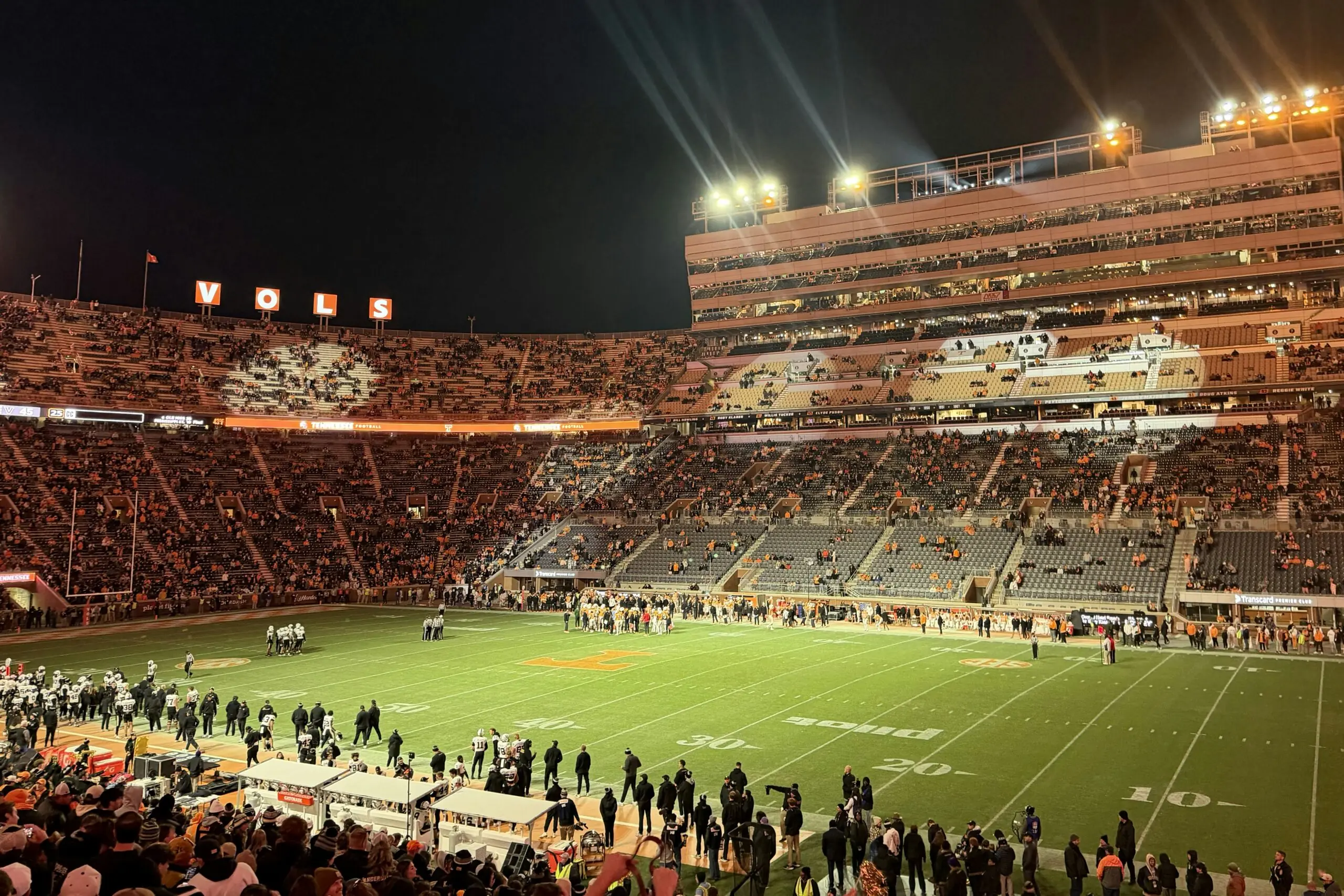
The decision to move indoors also highlights the resilience and adaptability required of large-scale broadcast productions. By relocating, ESPN ensures the continuity of its programming while prioritizing the well-being of those involved in the production and the audience. This approach contrasts with scenarios where events are canceled entirely, offering a compromise that maintains the broadcast schedule while adhering to safety protocols.
For the viewing public, the change may result in a different viewing experience, with altered background noise levels and visual aesthetics compared to a traditional outdoor stadium setting. However, the core content of the show—analysis, predictions, and expert commentary—remains unchanged. The incident serves as a reminder that even in the digital age, physical infrastructure and natural forces remain critical variables in the delivery of live media.
As Hurricane Isaias continues its path, meteorological agencies will continue to monitor its intensity and storm surge potential. For the sports and entertainment industries, such events underscore the necessity of robust emergency planning and flexible production capabilities. While individual weather events like Isaias are distinct occurrences, their increasing frequency and intensity, as tracked by climate scientists, are prompting a re-evaluation of risk management strategies across various sectors, including outdoor sports and live broadcasting.
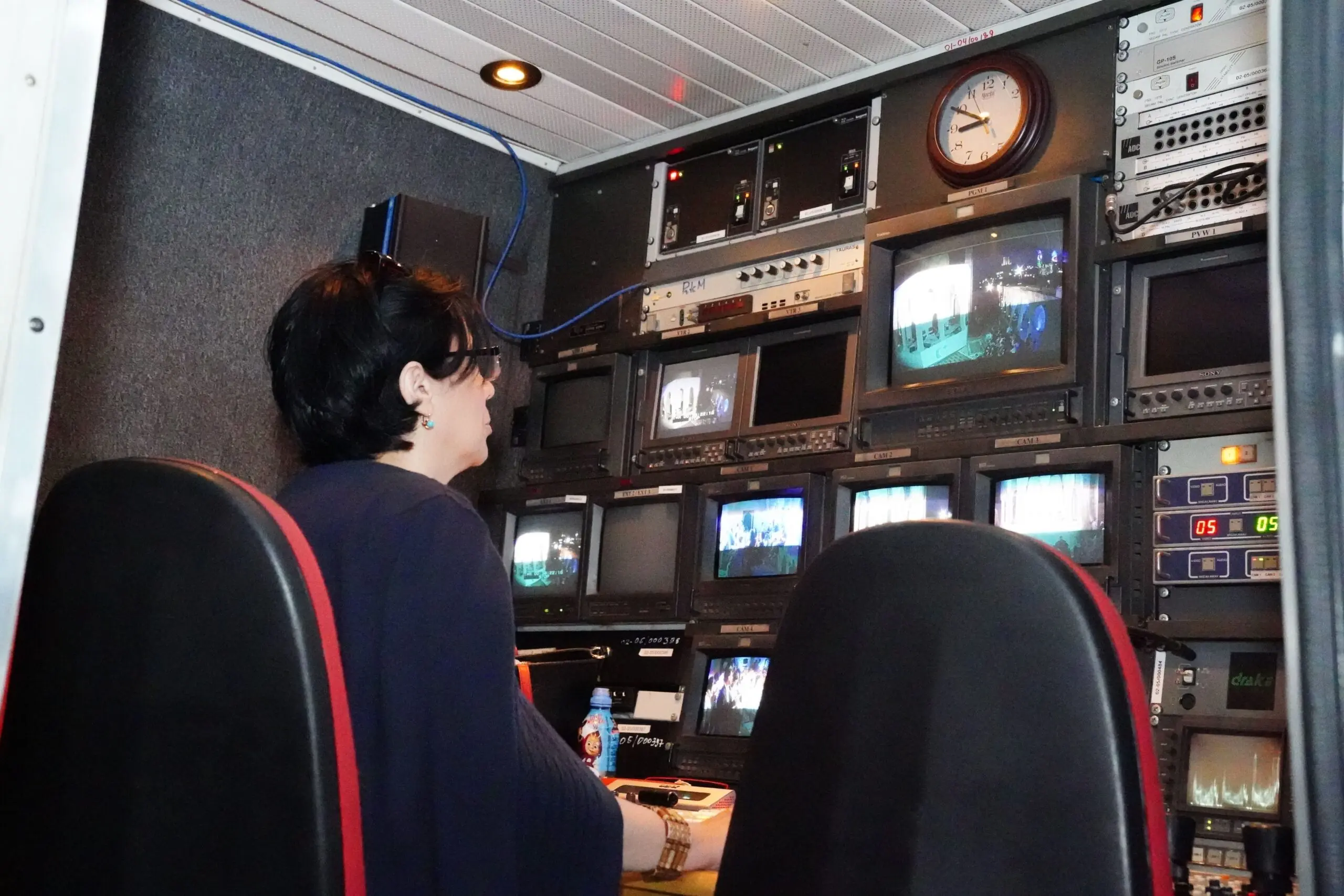
The move to an indoor setting for “College GameDay” is a specific, verified operational decision by ESPN, driven by the immediate threat posed by the hurricane. It does not imply a broader cancellation of college football games but rather a targeted adaptation of the pre-game show’s production environment. The network’s response illustrates the intersection of media operations and extreme weather management, providing a practical example of how institutions adapt to environmental hazards in real-time.
As the broadcast proceeds from its new indoor location, the focus will remain on the upcoming football games, but the context of the production shift will likely be noted by viewers and industry observers as a testament to the growing influence of severe weather on public life and media delivery. The situation remains dynamic, with continued updates expected from weather services regarding the hurricane’s trajectory and impact zone.