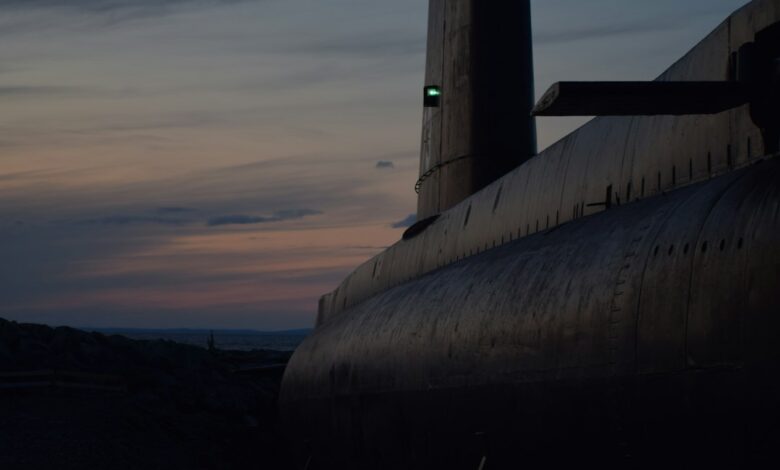
Defense Minister Richard Marles described the selection as a major step toward establishing a sovereign shipbuilding and sustainment hub. The site, situated seven miles across the water from the Royal Australian Navy base HMAS Stirling, is designed to support the nation’s expanding maritime capabilities. An initial federal commitment of A$12 billion ($8.59 billion) announced in September 2025 underpins the project, part of a broader A$25 billion investment pool over the next decade. The precinct is projected to support approximately 10,000 direct, high-skilled jobs in Western Australia over the coming two decades.
The infrastructure is pivotal for the Submarine Rotational Force-West (SRF-West), a trilateral initiative involving Australia, the United States, and the United Kingdom. SRF-West is expected to be fully operational by 2027, facilitating the rotation of U.S. and British nuclear-powered fast attack submarines through HMAS Stirling. The new precinct will provide contingency docking and depot-level maintenance for these vessels, a capability that is essential before Australia takes delivery of its first Virginia-class submarine in the early 2030s. The U.S. Navy has recently established Naval Support Activity Stirling, which began standing up in October 2024, to provide services to U.S. personnel, contractors, and their families assigned to the rotational force. The first U.S. personnel are expected to begin rotating through the base in late 2026.
Beyond submarine sustainment, the Henderson precinct will host the construction of the Royal Australian Navy’s future general-purpose frigates and the Australian Army’s landing craft. The Hunter-class frigates, based on the Type 26 design, are being built at BAE Systems Australia’s shipyard in Osborne, South Australia, with the first keel laid this week. These vessels will be equipped with the indigenous CEAFAR phased array radar and capable of launching SM-2, SM-6 air and missile-defense missiles, as well as Tomahawk land-attack cruise missiles. Meanwhile, shipbuilder Austal is ramping up production for 18 Landing Craft Medium and eight Landing Craft Heavy before transitioning to frigate construction in the 2030s.
The strategic necessity of this infrastructure has prompted debate among naval experts regarding the suitability of the platforms being acquired. While U.S. Secretary of Defense Pete Hegseth has hailed the Virginia-class submarine as the “apex predator” of the undersea domain, some analysts argue that the large displacement of these nuclear-powered vessels may not be optimal for defending Australia’s primary area of military interest, which includes the shallow waters of the north-east Indian Ocean and maritime south-east Asia. Critics contend that smaller, more nimble submarines are better suited for operating in those specific littoral environments and are more cost-effective to crew and maintain. However, the government maintains that the Virginia-class and subsequent AUKUS-class submarines are essential for Australia’s “strategy of denial” and for maintaining interoperability with key allies.
During a May 30 meeting in Singapore, Defense Secretary Hegseth, Australian Deputy Prime Minister Richard Marles, and U.K. Secretary of State for Defense John Healey affirmed that key AUKUS milestones are being met on schedule. The meeting also yielded the announcement of the first signature project of Pillar II of the agreement, which focuses on developing uncrewed undersea vehicles (UUVs). Deliveries for this project are set to begin in 2027, aiming to enhance capabilities in surveillance, reconnaissance, and contested littoral maneuver.
With the site selection complete, the program now progresses into the concept design phase. This stage involves extensive technical planning and engagement between the federal and state governments, local industry partners, traditional owners, and community stakeholders. The development of the Henderson Defense Precinct represents a long-term commitment to Australia’s maritime security, ensuring that the nation possesses the sovereign capability to own, operate, and sustain advanced nuclear-powered submarines for generations.