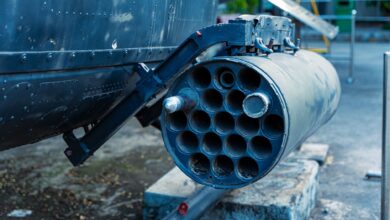
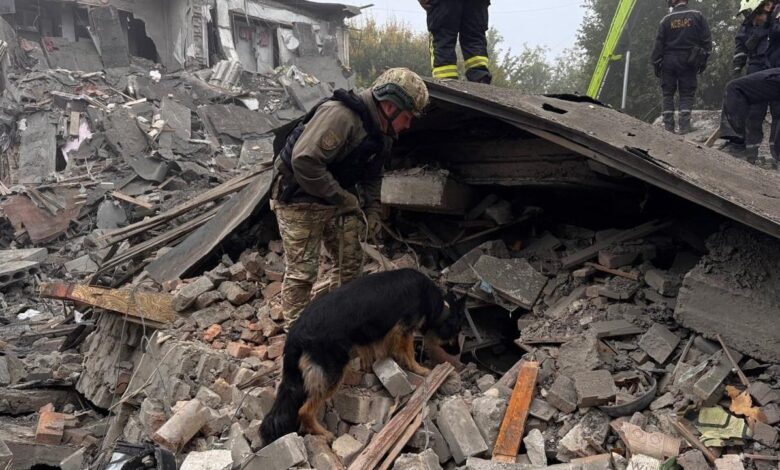
Ukraine’s State Emergency Service reported that at least 16 additional people were wounded in the attack. Officials indicated that the death toll may rise as rescue teams continue to search for survivors buried under the debris of the large apartment complex. The use of glide bombs in the strike represents a specific tactical development, allowing Russian forces to launch ordnance from outside the range of many Ukrainian air defense systems, thereby increasing the threat to densely populated urban centers.
The attack took place against the backdrop of shifting diplomatic and economic dynamics in the conflict. It occurred one day after US President Donald Trump announced a deal to purchase Russian diesel. The Ukrainian government has explicitly warned that such commercial transactions would help bankroll Moscow’s war in Ukraine, providing critical revenue that sustains military operations. This development highlights the complex intersection of international trade policy and the ongoing military confrontation, where economic measures are viewed by Kyiv as directly impacting the adversary’s capacity to continue offensive operations.
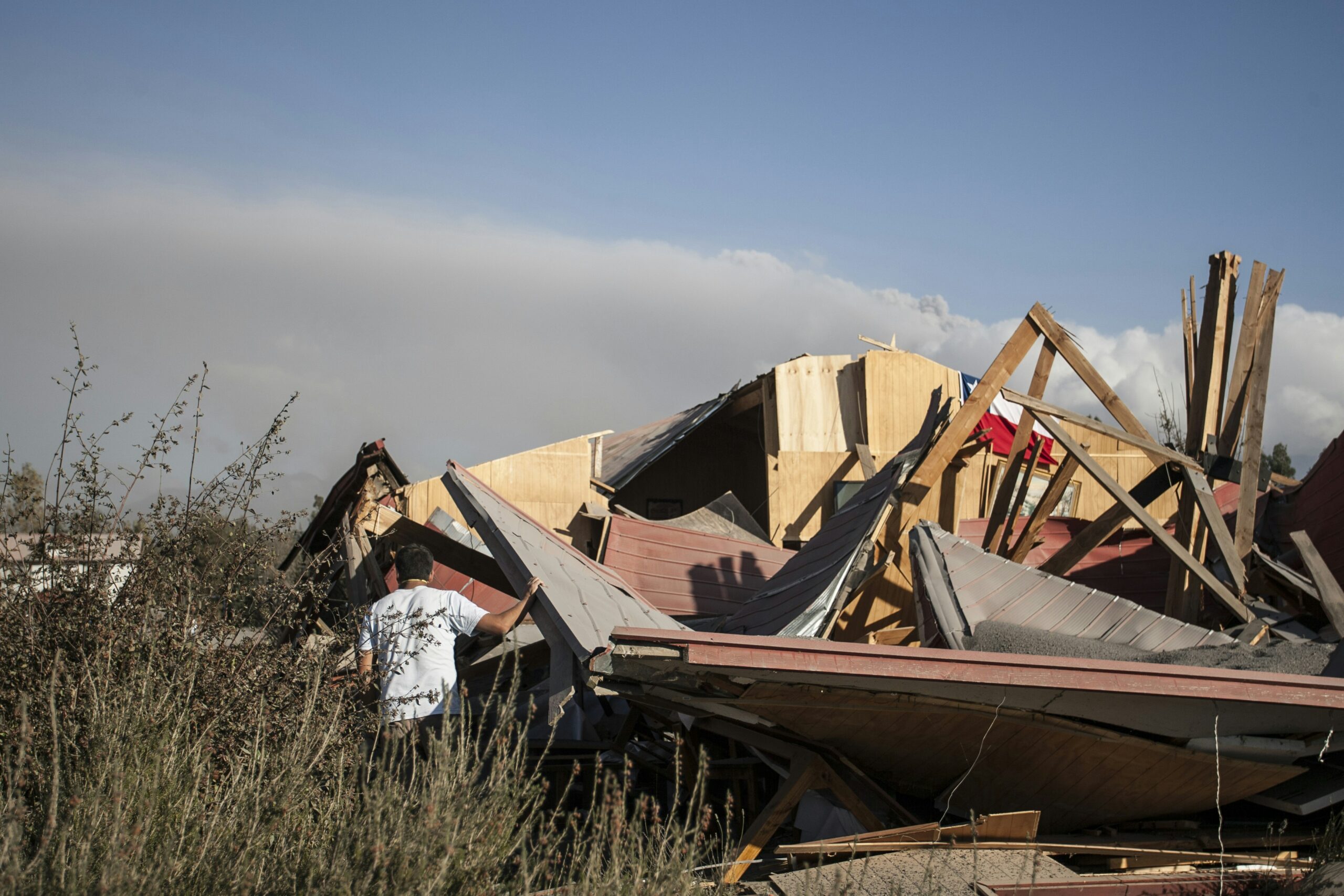
Residential infrastructure in Zaporizhzhia has been the target of repeated strikes throughout the conflict, underscoring the persistent risk to civilian populations in occupied or front-line regions. The destruction of the apartment block in this instance demonstrates the continued vulnerability of civilian housing to long-range aerial bombardment. Rescue and recovery operations remain ongoing, with local authorities managing both immediate medical needs for the wounded and the dangerous logistical task of clearing unstable rubble.
Ukrainian officials have emphasized the severity of the impact, noting the significant loss of life and the destruction of essential housing. The incident adds to the growing toll of the war on civilian infrastructure and personnel. While specific military objectives behind the strike on Zaporizhzhia were not detailed in initial reports, the targeting of residential areas has been a consistent feature of recent Russian aerial campaigns, aiming to degrade morale and disrupt civilian life alongside military goals.

The next phase of operations will likely involve continued air defense efforts by Ukrainian forces to intercept incoming glide bombs and other long-range missiles. Additionally, international attention remains focused on the potential consequences of the US-Russia diesel deal, with Kyiv monitoring whether such economic engagements alter the strategic balance or provide Moscow with additional resources. The humanitarian situation in Zaporizhzhia requires sustained support for emergency services, medical care, and housing reconstruction in the coming days.